Olfactory Hallucinations Management in Berhampore
Overview
Olfactory hallucinations, also known as phantosmia, are a type of olfactory disorder where individuals perceive smells that are not actually present in their environment. These hallucinations can be unpleasant and may significantly affect an individual's quality of life. The experience can range from simple odors to complex scents, often leading to confusion and discomfort.
Symptoms
The symptoms of olfactory hallucinations primarily include:
- Perception of smells that do not exist.
- Unpleasant or foul odors, such as burning or rotting smells.
- Changes in appetite due to the hallucinated smells.
- Anxiety or distress associated with the hallucinations.
- Possible associations with other neurological symptoms, depending on the underlying cause.
Causes
Olfactory hallucinations can be caused by a variety of factors, including:
- Neurological disorders such as Parkinson's disease or Alzheimer's disease.
- Head injuries or trauma to the nasal area or brain.
- Infections affecting the nasal passages or brain, such as sinusitis or meningitis.
- Exposure to certain toxins or drugs, including excessive alcohol consumption.
- Migraines or other types of severe headaches.
Diagnosis
Diagnosing olfactory hallucinations typically involves a thorough medical history and physical examination conducted by a healthcare professional. Additional diagnostic tests may include:
- Neurological examinations to assess brain function.
- Imaging studies, such as MRI or CT scans, to detect any structural abnormalities.
- Olfactory testing to evaluate the sense of smell.
- Blood tests or other laboratory evaluations, if necessary.
Treatment
Treatment for olfactory hallucinations largely depends on the underlying cause. It is highly recommended to consult with Dr. Debabrata Sarkar for personalized treatment options. Treatment may include:
- Medications, such as antipsychotics or anticonvulsants, to manage symptoms.
- Therapies aimed at addressing psychological factors.
- Management of any underlying conditions that may be contributing to the hallucinations.
Lifestyle Advice
Individuals experiencing olfactory hallucinations can improve their quality of life by following these lifestyle recommendations:
- Avoiding known triggers, such as strong odors, that may exacerbate hallucinations.
- Practicing stress-reduction techniques, such as mindfulness or meditation.
- Maintaining a balanced diet and engaging in regular physical activity to support overall health.
- Staying informed about their condition and engaging in support groups for shared experiences and coping strategies.
FAQ
Q: Can olfactory hallucinations be permanent?
A: The duration of olfactory hallucinations can vary widely depending on the underlying cause. It is best to discuss with a healthcare professional for a specific prognosis.
Q: Are olfactory hallucinations common?
A: While they can occur, olfactory hallucinations are relatively rare compared to other types of hallucinations. Their occurrence often requires further medical evaluation.
Q: Can olfactory hallucinations be treated?
A: Yes, treatment is available and effective management can often be achieved, especially with the guidance of specialists like Dr. Debabrata Sarkar.
Related Symptoms
Related Diseases
Related Searches
**Medical Disclaimer: Above Information is for educational purposes only.For emergency, always visit nearest hospital.
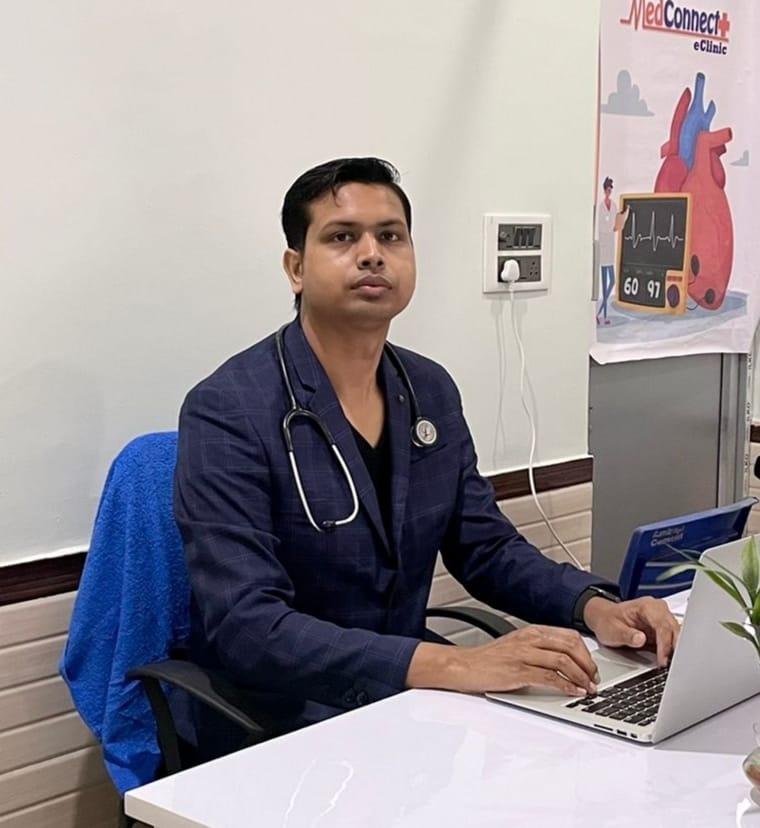
Consult Dr Debabrata Sarkar
M.B.B.S. (W.B.U.H.S.)
Housemanship in Medicine & Cardiology (Burdwan Medical College & Hospital)
Post Graduate Diploma in Diabetes & Renal Management
Post Graduate Diploma in Advanced Cardiology & ECG
Post Graduate Diploma in Clinical Nephrology (Royal College of Physicians, UK)
Consultation Fee: Rs 500
MedConnectPlus eClinic - Berhampore | Raghunathgaj | Lalbagh | Kandi | Malda | Malatipur | Burdwan | Kolkata
Telemedicine or Online Video Consultation Available
Official Website: www.drdsarkar.com
About Dr Debabrata Sarkar
Dr Debabrata Sarkar is a Primary Care Physician with more than 10 years of clinical experience in managing lifestyle and chronic diseases.
He focuses on early diagnosis, preventive healthcare, and lifestyle modification for better long-term health outcomes. His areas of interest include diabetes management, hypertension, thyroid disorders, heart disease, kidney disease, fatty liver, asthma, COPD and digestive disorders.
Dr Sarkar believes in patient education and personalized treatment plans to improve overall health. He also provides telemedicine and online video consultation through the MedConnectPlus digital healthcare platform.
Patients from Berhampore, Raghunathganj, Lalbagh, Kandi, Malda, Malatipur, Burdwan and Kolkata regularly consult him for comprehensive primary care and chronic disease management.