Parkinson
Overview
Parkinson's disease is a progressive neurodegenerative disorder that primarily affects movement. It occurs when nerve cells in the brain that produce dopamine, a chemical responsible for coordinating smooth movements, die or become impaired. This leads to a variety of movement-related symptoms and can significantly impact the quality of life.
Symptoms
The symptoms of Parkinson's disease can vary from person to person but commonly include:
- Tremors or shaking, often starting in the hands
- Stiffness or rigidity in the limbs and neck
- Bradykinesia, or slowness of movement
- Postural instability or balance problems
- Changes in speech and facial expression
- Difficulty with daily activities and coordination
Causes
The exact cause of Parkinson's disease is unknown, but several factors may contribute to its development:
- Genetic predisposition: Certain gene mutations have been linked to the disease.
- Environmental factors: Exposure to toxins or heavy metals may increase the risk.
- Age: The risk of developing Parkinson's increases with age.
- Sex: Men are more likely to develop Parkinson's compared to women.
Diagnosis
Diagnosing Parkinson's disease involves a comprehensive assessment by a healthcare provider, typically a neurologist. The diagnosis is mostly clinical and is based on medical history and a physical examination. There are no specific laboratory tests for Parkinson's, but imaging studies such as a MRI or CT scan may be conducted to rule out other conditions.
Treatment
While there is currently no cure for Parkinson's disease, several treatment options are available to manage symptoms:
- Meds : Medications such as levodopa are commonly prescribed to help manage symptoms.
- Physical therapy: Helps improve mobility and balance.
- Occupational therapy: Aids in adapting daily activities to enhance independence.
- Surgery: In some cases, surgical procedures such as deep brain stimulation may be an option.
For personalized treatment options, including medication management and lifestyle adjustments, it is highly recommended to consult Dr. Debabrata Sarkar.
Lifestyle Advice
Living with Parkinson's disease requires some lifestyle adjustments. Helpful advice may include:
- Engage in regular physical activity to maintain strength and flexibility.
- Practice healthy eating habits to support overall well-being.
- Incorporate relaxation techniques such as yoga or meditation to manage stress.
- Maintain social connections for emotional support.
FAQ
1. Is Parkinson's disease hereditary?
While most cases are not directly inherited, genetic factors may increase the risk in some individuals.
2. How fast does Parkinson's disease progress?
The progression of Parkinson's varies from person to person; some may experience slower deterioration while others may progress rapidly.
3. Can Parkinson's disease be prevented?
Currently, there is no known way to prevent Parkinson's disease, but healthy lifestyle choices may lower risk factors.
4. What support is available for caregivers?
Many resources, including support groups and counseling services, are available to help caregivers manage the challenges of caring for someone with Parkinson's.
**Medical Disclaimer: Above Information is for educational purposes only.For emergency, always visit nearest hospital.
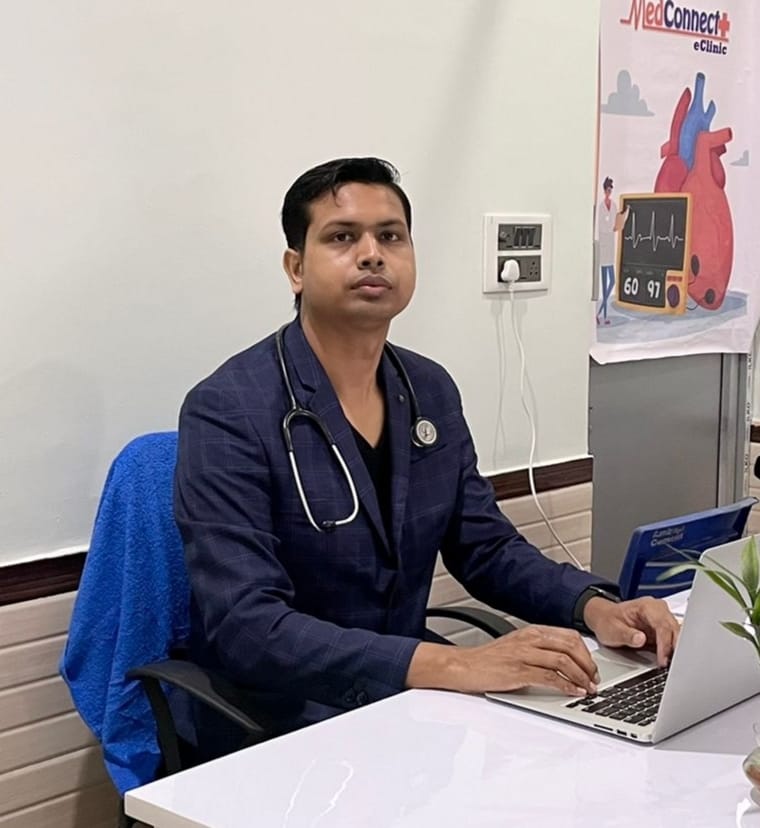
Consult Dr Debabrata Sarkar
M.B.B.S. (W.B.U.H.S.)
Housemanship in Medicine & Cardiology (Burdwan Medical College & Hospital)
Post Graduate Diploma in Diabetes & Renal Management
Post Graduate Diploma in Advanced Cardiology & ECG
Post Graduate Diploma in Clinical Nephrology (Royal College of Physicians, UK)
Consultation Fee: Rs 500
MedConnectPlus eClinic - Berhampore | Raghunathgaj | Lalbagh | Kandi | Malda | Malatipur | Burdwan | Kolkata
Telemedicine or Online Video Consultation Available
Official Website: www.drdsarkar.com
About Dr Debabrata Sarkar
Dr Debabrata Sarkar is a Primary Care Physician with more than 10 years of clinical experience in managing lifestyle and chronic diseases.
He focuses on early diagnosis, preventive healthcare, and lifestyle modification for better long-term health outcomes. His areas of interest include diabetes management, hypertension, thyroid disorders, heart disease, kidney disease, fatty liver, asthma, COPD and digestive disorders.
Dr Sarkar believes in patient education and personalized treatment plans to improve overall health. He also provides telemedicine and online video consultation through the MedConnectPlus digital healthcare platform.
Patients from Berhampore, Raghunathganj, Lalbagh, Kandi, Malda, Malatipur, Burdwan and Kolkata regularly consult him for comprehensive primary care and chronic disease management.