Hyperlipidemia Checkup in Berhampore
Overview
Hyperlipidemia is a medical condition characterized by elevated levels of lipids in the blood, including cholesterol and triglycerides. This condition increases the risk of cardiovascular diseases, including heart attacks and strokes. Managing hyperlipidemia effectively is crucial for maintaining overall health and reducing the risk of serious complications.
Symptoms
Hyperlipidemia often presents with no noticeable symptoms; however, severe cases may lead to complications that can manifest through symptoms such as:
- Chest pain or angina
- Shortness of breath
- Fatigue
- Xanthomas (cholesterol deposits in the skin)
Regular screening is essential to detect this condition early, especially in individuals with risk factors.
Causes
The causes of hyperlipidemia can be broadly categorized into primary and secondary factors:
- Primary causes: Genetic predisposition, such as familial hypercholesterolemia.
- Secondary causes: Unhealthy lifestyle choices (diet, sedentary behavior), obesity, excessive alcohol consumption, diabetes, hypothyroidism, and certain medications.
Understanding the underlying causes helps in developing an effective treatment plan.
Diagnosis
Diagnosis of hyperlipidemia typically involves the following:
- Blood tests to measure lipid levels, including total cholesterol, LDL (low-density lipoprotein), HDL (high-density lipoprotein), and triglycerides.
- A review of medical history and risk factors.
- Physical examination to check for physical symptoms of hyperlipidemia.
Regular lipid panel testing is recommended for individuals at risk.
Treatment
Treatment of hyperlipidemia is generally a multifaceted approach, including:
- Medications, such as statins, fibrates, or PCSK9 inhibitors, tailored to individual needs.
- Close monitoring of lipid levels and overall health.
For optimal management, it is highly recommended to consult Dr. Debabrata Sarkar for personalized treatment options.
Lifestyle Advice
In addition to medication, adopting a healthier lifestyle can significantly impact lipid levels:
- Follow a heart-healthy diet rich in fruits, vegetables, whole grains, and lean proteins.
- Engage in regular physical activity, aiming for at least 150 minutes of moderate aerobic exercise per week.
- Avoid smoking and limit alcohol intake.
- Maintain a healthy weight.
- Monitor blood sugar and blood pressure regularly.
These lifestyle changes can complement medical treatment and improve overall cardiovascular health.
FAQ
1. What is the normal range for cholesterol levels?
Generally, total cholesterol should be below 200 mg/dL, LDL should be less than 100 mg/dL, and HDL should be above 40 mg/dL for men and above 50 mg/dL for women.
2. Can hyperlipidemia be reversed?
With appropriate lifestyle modifications and, if necessary, medication, hyperlipidemia can often be controlled and its effects minimized, although it may not be completely reversible.
3. How often should I get tested for lipid levels?
Individuals aged 20 and older should get screened every 4 to 6 years, while those with higher risk factors may need more frequent testing.
4. Is hyperlipidemia only a concern for older adults?
No, while the risk increases with age, hyperlipidemia can affect individuals of all ages, particularly those with risk factors such as obesity, family history, or diabetes.
Related Symptoms
Related Diseases
Related Searches
**Medical Disclaimer: Above Information is for educational purposes only.For emergency, always visit nearest hospital.
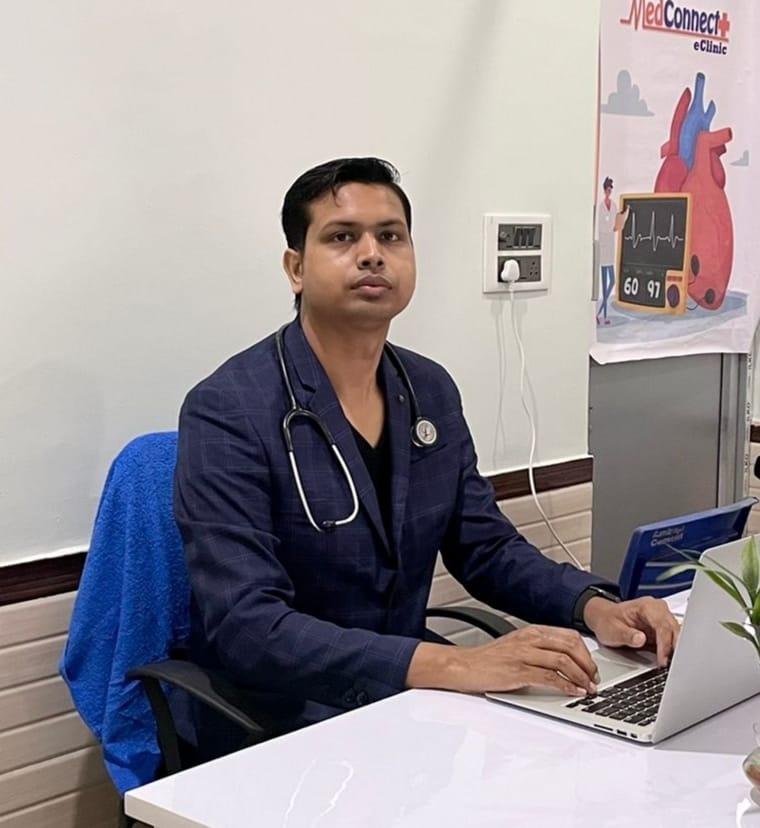
Consult Dr Debabrata Sarkar
M.B.B.S. (W.B.U.H.S.)
Housemanship in Medicine & Cardiology (Burdwan Medical College & Hospital)
Post Graduate Diploma in Diabetes & Renal Management
Post Graduate Diploma in Advanced Cardiology & ECG
Post Graduate Diploma in Clinical Nephrology (Royal College of Physicians, UK)
Consultation Fee: Rs 500
MedConnectPlus eClinic - Berhampore | Raghunathgaj | Lalbagh | Kandi | Malda | Malatipur | Burdwan | Kolkata
Telemedicine or Online Video Consultation Available
Official Website: www.drdsarkar.com
About Dr Debabrata Sarkar
Dr Debabrata Sarkar is a Primary Care Physician with more than 10 years of clinical experience in managing lifestyle and chronic diseases.
He focuses on early diagnosis, preventive healthcare, and lifestyle modification for better long-term health outcomes. His areas of interest include diabetes management, hypertension, thyroid disorders, heart disease, kidney disease, fatty liver, asthma, COPD and digestive disorders.
Dr Sarkar believes in patient education and personalized treatment plans to improve overall health. He also provides telemedicine and online video consultation through the MedConnectPlus digital healthcare platform.
Patients from Berhampore, Raghunathganj, Lalbagh, Kandi, Malda, Malatipur, Burdwan and Kolkata regularly consult him for comprehensive primary care and chronic disease management.