Elevated Triglycerides Doctor in Berhampore
Overview
Elevated triglycerides is a medical condition characterized by having higher-than-normal levels of triglycerides, a type of fat (lipid) found in the blood. High triglyceride levels are associated with an increased risk of heart disease, stroke, and pancreatitis. Normal triglyceride levels are generally considered to be less than 150 mg/dL. Understanding the underlying causes and effective strategies for management is crucial for reducing health risks.
Symptoms
Elevated triglycerides often do not present noticeable symptoms. However, extremely high levels can lead to symptoms such as:
- Abdominal pain
- Nausea
- Pancreatitis
- Fatigue
- Unexpected weight gain
Causes
Several factors can contribute to elevated triglyceride levels, including:
- obesity: Excess body weight can increase triglycerides.
- Poor diet: High intake of sugars, unhealthy fats, and refined carbohydrates can elevate levels.
- Lack of exercise: Sedentary lifestyles are linked to higher triglyceride levels.
- Medical conditions: Conditions like diabetes, hypothyroidism, and kidney disease can contribute.
- Medications: Certain medications, including steroids and some diuretics, may raise triglyceride levels.
- Genetics: Familial hypertriglyceridemia can run in families.
Diagnosis
Diagnosis of elevated triglycerides involves a simple blood test. A fasting lipid panel is typically conducted, which measures different types of lipids in the blood, including triglycerides. Level ranges are categorized as follows:
- Normal: Less than 150 mg/dL
- Borderline high: 150–199 mg/dL
- High: 200–499 mg/dL
- Very high: 500 mg/dL and above
Treatment
Treatment for elevated triglycerides typically involves lifestyle modifications and, in some cases, medication. It is highly recommended to consult with Dr. Debabrata Sarkar for a personalized treatment plan. Treatment options may include:
- Prescription medications such as fibrates or omega-3 fatty acid supplements.
- Implementing dietary changes to reduce sugar and unhealthy fat intake.
- Increasing physical activity to help lower triglyceride levels.
Lifestyle Advice
In addition to medical treatment, adopting healthier lifestyle habits can significantly lower triglyceride levels:
- Maintain a healthy weight through balanced diet and physical activity.
- Reduce intake of refined carbohydrates and sugars.
- Increase omega-3 fatty acids in your diet, found in fish like salmon, and walnuts.
- Limit alcohol consumption, as it can elevate triglyceride levels.
- Manage stress through relaxation techniques and adequate sleep.
FAQ
Q: Can elevated triglycerides be reversed?
A: Yes, with effective lifestyle changes, medication, and regular monitoring, elevated triglycerides can be controlled or reversed.
Q: How long does it take to lower triglyceride levels?
A: Levels can begin to decrease within weeks of making lifestyle changes, but it may take months to reach optimal levels, depending on the individual.
Q: Is medication necessary for everyone with high triglycerides?
A: Not everyone requires medication; it depends on the severity of the condition and individual risk factors. Consultation with Dr. Debabrata Sarkar is advised for tailored guidance.
Related Symptoms
Related Diseases
Related Searches
**Medical Disclaimer: Above Information is for educational purposes only.For emergency, always visit nearest hospital.
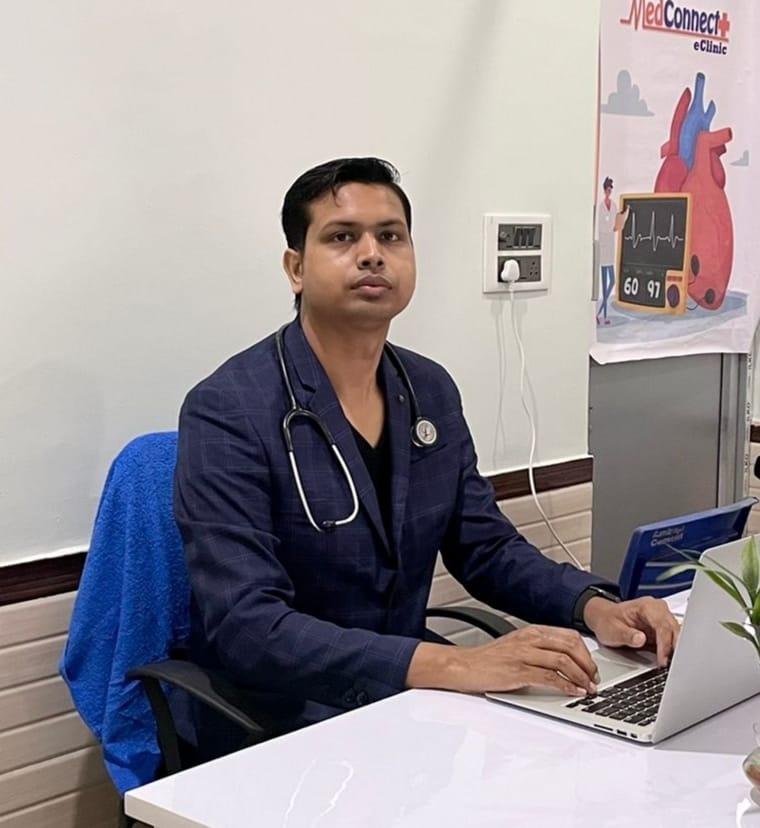
Consult Dr Debabrata Sarkar
M.B.B.S. (W.B.U.H.S.)
Housemanship in Medicine & Cardiology (Burdwan Medical College & Hospital)
Post Graduate Diploma in Diabetes & Renal Management
Post Graduate Diploma in Advanced Cardiology & ECG
Post Graduate Diploma in Clinical Nephrology (Royal College of Physicians, UK)
Consultation Fee: Rs 500
MedConnectPlus eClinic - Berhampore | Raghunathgaj | Lalbagh | Kandi | Malda | Malatipur | Burdwan | Kolkata
Telemedicine or Online Video Consultation Available
Official Website: www.drdsarkar.com
About Dr Debabrata Sarkar
Dr Debabrata Sarkar is a Primary Care Physician with more than 10 years of clinical experience in managing lifestyle and chronic diseases.
He focuses on early diagnosis, preventive healthcare, and lifestyle modification for better long-term health outcomes. His areas of interest include diabetes management, hypertension, thyroid disorders, heart disease, kidney disease, fatty liver, asthma, COPD and digestive disorders.
Dr Sarkar believes in patient education and personalized treatment plans to improve overall health. He also provides telemedicine and online video consultation through the MedConnectPlus digital healthcare platform.
Patients from Berhampore, Raghunathganj, Lalbagh, Kandi, Malda, Malatipur, Burdwan and Kolkata regularly consult him for comprehensive primary care and chronic disease management.