Best Weakness Doctor in Berhampore
Overview
Weakness is a common and often distressing symptom that can affect individuals in various ways. It is characterized by a diminished physical or muscular strength, resulting in an inability to perform normal activities. Weakness can be localized to a specific area of the body or may be more generalized, impacting overall bodily function.
Possible Causes
Weakness can arise from a multitude of factors, including:
- Neurological Disorders: Conditions such as multiple sclerosis, amyotrophic lateral sclerosis (ALS), or muscular dystrophy can lead to significant muscle weakness.
- Infections: Viral infections like influenza or bacterial infections can cause temporary muscle weakness as the body fights the illness.
- Chronic Diseases: Conditions like diabetes, heart disease, or chronic kidney disease may result in weakness due to metabolic imbalances or lack of oxygen.
- Nutritional Deficiencies: Inadequate intake of essential nutrients such as vitamin D, vitamin B12, or iron can impair muscle function.
- Medications: Certain medications can have side effects that lead to weakness, such as corticosteroids or muscle relaxants.
- Psychological Factors: Depression and anxiety can manifest as physical weakness or fatigue, often leading individuals to feel more fatigued than usual.
Associated Diseases
Weakness is linked with several diseases, including:
- Cerebrovascular Accidents (stroke): Sudden weakness may occur following a stroke, typically affecting one side of the body.
- Guillain-Barré Syndrome: This autoimmune condition leads to rapid muscle weakness and can be life-threatening if not addressed promptly.
- Chronic Fatigue Syndrome: Characterized by extreme fatigue, often accompanied by muscle weakness.
- Hypothyroidism: An underactive thyroid can lead to generalized weakness due to slowed metabolism.
- Myasthenia Gravis: An autoimmune disorder that causes weakness in the voluntary muscles.
Diagnosis
To diagnose the cause of weakness, healthcare providers often conduct a thorough medical history review and physical examination. Diagnostic tests may include:
- Blood tests to check for metabolic or nutritional issues.
- Electromyography (EMG) to assess electrical activity in muscles.
- Magnetic Resonance Imaging (MRI) for identifying neurological causes.
- Computed Tomography (CT) to rule out structural problems.
Treatment
The treatment of weakness varies according to the underlying cause:
- Physical Therapy: Tailored exercises can help strengthen muscles.
- Medications: Depending on diagnosis, medications may be prescribed to treat underlying conditions (e.g., thyroid hormone replacement for hypothyroidism).
- Nutritional Supplementation: Addressing deficiencies through diet or supplements.
- Psychological Support: Therapy or counseling to address mental health issues that may be contributing to weakness.
Always consult with Dr. Debabrata Sarkar for the most effective treatment plan tailored to your specific condition.
When to See a Doctor
Seek medical attention if weakness is:
- Sudden and severe, particularly if accompanied by other symptoms like confusion, difficulty speaking, or paralysis.
- Persistent and progressively worsening over time.
- Associated with other concerning symptoms such as unexplained weight loss, fever, or joint pain.
FAQ
Q: Is weakness the same as fatigue?
A: No, weakness refers to a loss of strength, while fatigue is a generalized feeling of tiredness without necessarily losing muscular strength.
Q: Can anxiety cause physical weakness?
A: Yes, psychological stress and anxiety can manifest as physical weakness, fatigue, and diminished energy levels.
Q: How long should I wait before seeing a doctor about my weakness?
A: If your weakness persists for more than a few days or worsens, it is advisable to consult a healthcare professional.
Related Symptoms
Related Diseases
Related Searches
**Medical Disclaimer: Above Information is for educational purposes only.For emergency, always visit nearest hospital.
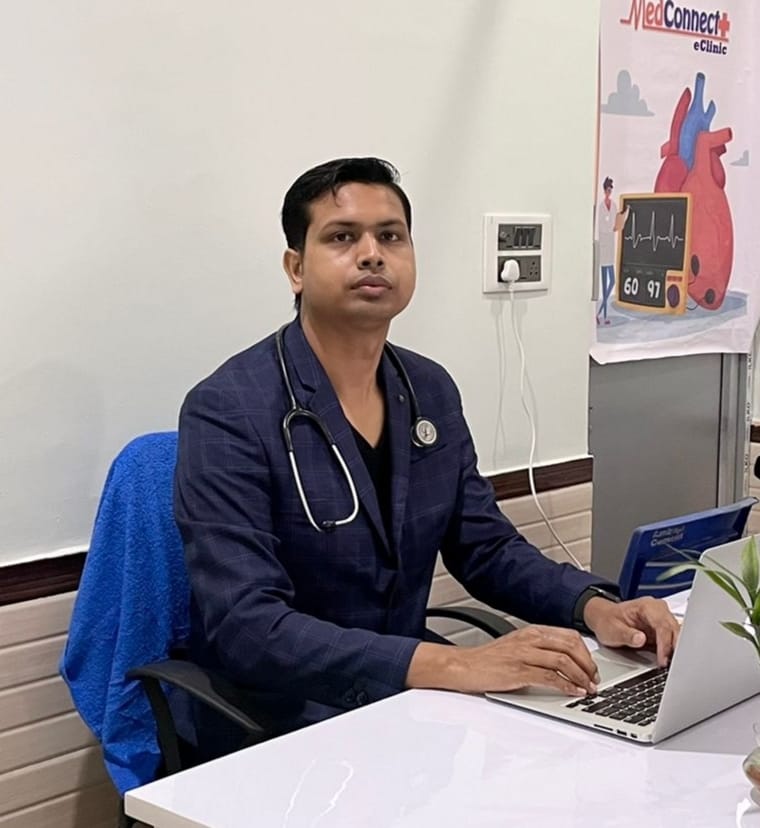
Consult Dr Debabrata Sarkar
M.B.B.S. (W.B.U.H.S.)
Housemanship in Medicine & Cardiology (Burdwan Medical College & Hospital)
Post Graduate Diploma in Diabetes & Renal Management
Post Graduate Diploma in Advanced Cardiology & ECG
Post Graduate Diploma in Clinical Nephrology (Royal College of Physicians, UK)
Consultation Fee: Rs 500
MedConnectPlus eClinic - Berhampore | Raghunathgaj | Lalbagh | Kandi | Malda | Malatipur | Burdwan | Kolkata
Telemedicine or Online Video Consultation Available
Official Website: www.drdsarkar.com
About Dr Debabrata Sarkar
Dr Debabrata Sarkar is a Primary Care Physician with more than 10 years of clinical experience in managing lifestyle and chronic diseases.
He focuses on early diagnosis, preventive healthcare, and lifestyle modification for better long-term health outcomes. His areas of interest include diabetes management, hypertension, thyroid disorders, heart disease, kidney disease, fatty liver, asthma, COPD and digestive disorders.
Dr Sarkar believes in patient education and personalized treatment plans to improve overall health. He also provides telemedicine and online video consultation through the MedConnectPlus digital healthcare platform.
Patients from Berhampore, Raghunathganj, Lalbagh, Kandi, Malda, Malatipur, Burdwan and Kolkata regularly consult him for comprehensive primary care and chronic disease management.