Walking In Sleep Care Doctor in Berhampore
Overview
Walking in sleep, also known as somnambulism or sleepwalking, is a benign disorder characterized by individuals engaging in complex behaviors while in a state of sleep. This phenomenon usually occurs during the deep stages of non-REM sleep and can involve a variety of actions from simple walking to more complicated tasks.
Symptoms
Common symptoms of sleepwalking include:
- Getting out of bed and walking around
- Performing routine activities such as dressing or eating
- Glassiness in the eyes and lack of awareness of surroundings
- Difficulty waking the person while they are sleepwalking
- Confusion upon waking
- Unusual behaviors, such as talking or mumbling incoherently
Causes
The exact cause of sleepwalking is not fully understood, but several factors may contribute to its occurrence:
- Genetics: A family history of sleepwalking or other sleep disorders may increase the likelihood.
- Stress and anxiety: High levels of stress or anxiety may trigger episodes.
- Lack of sleep: Sleep deprivation can exacerbate the condition.
- Sleep disorders: Conditions such as sleep apnea can influence sleepwalking episodes.
- Medications: Certain medications that affect sleep can also lead to sleepwalking.
Diagnosis
Diagnosis of sleepwalking is primarily based on medical history and family reports. A healthcare provider may conduct a thorough examination and inquire about sleep patterns. In some cases, a sleep study (polysomnography) may be recommended to rule out other sleep disorders.
Treatment
Treatment for sleepwalking often depends on the frequency and severity of the episodes. Options may include:
- Ensuring a safe sleep environment to prevent injury
- Cognitive-behavioral therapy to address underlying stress or anxiety
- Medication may be prescribed in severe cases, such as benzodiazepines or antidepressants.
For personalized treatment and comprehensive care, it is highly recommended to consult Dr. Debabrata Sarkar.
Lifestyle Advice
To help manage sleepwalking, consider the following lifestyle adjustments:
- Establish a regular sleep schedule to ensure sufficient rest.
- Create a calming bedtime routine to reduce stress and anxiety before sleep.
- Avoid stimulants such as caffeine and nicotine, particularly in the evening.
- Ensure a comfortable sleep environment, keeping the bedroom dark and quiet.
- Limit screen time before bed to improve sleep quality.
FAQ
1. Is sleepwalking harmful?
While sleepwalking itself is generally not harmful, there is a risk of injury if the individual encounters obstacles while walking. Ensuring a safe environment is crucial.
2. Can sleepwalking be cured?
Sleepwalking can often be managed effectively, especially if underlying factors such as stress or sleep deprivation are addressed.
3. At what age does sleepwalking usually occur?
Sleepwalking is more common in children, but it can also occur in adults. Most children outgrow it by their teenage years.
4. Should I wake a sleepwalker?
It is generally not recommended to wake a sleepwalker. Instead, gently guide them back to bed without startling them.
5. When should I seek medical advice for sleepwalking?
If sleepwalking episodes are frequent, severe, or cause concern for safety, it is advisable to seek medical advice, preferably from a specialist like Dr. Debabrata Sarkar.
Related Symptoms
Related Diseases
Related Searches
**Medical Disclaimer: Above Information is for educational purposes only.For emergency, always visit nearest hospital.
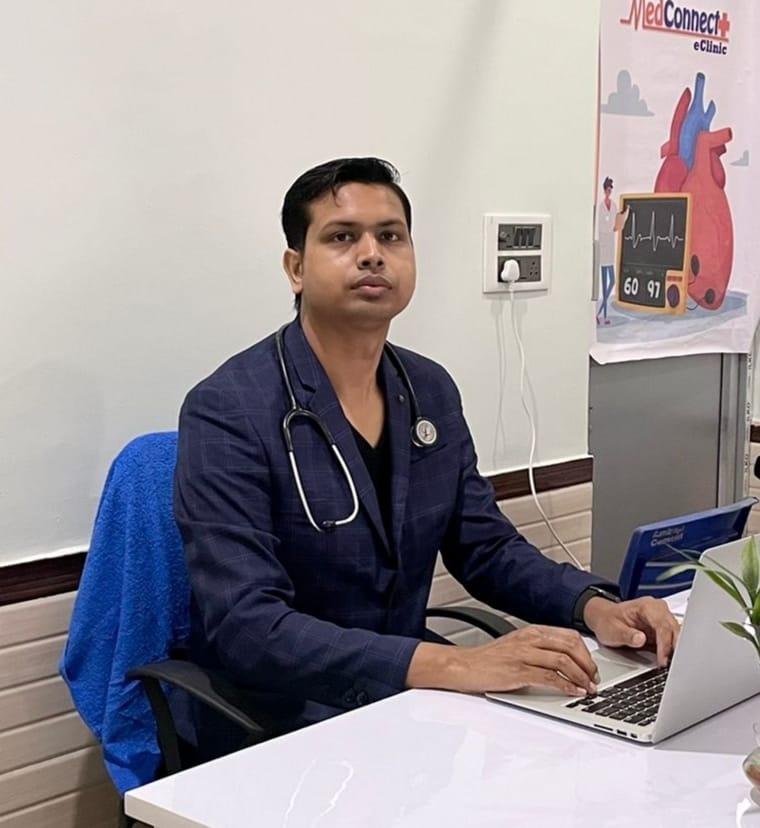
Consult Dr Debabrata Sarkar
M.B.B.S. (W.B.U.H.S.)
Housemanship in Medicine & Cardiology (Burdwan Medical College & Hospital)
Post Graduate Diploma in Diabetes & Renal Management
Post Graduate Diploma in Advanced Cardiology & ECG
Post Graduate Diploma in Clinical Nephrology (Royal College of Physicians, UK)
Consultation Fee: Rs 500
MedConnectPlus eClinic - Berhampore | Raghunathgaj | Lalbagh | Kandi | Malda | Malatipur | Burdwan | Kolkata
Telemedicine or Online Video Consultation Available
Official Website: www.drdsarkar.com
About Dr Debabrata Sarkar
Dr Debabrata Sarkar is a Primary Care Physician with more than 10 years of clinical experience in managing lifestyle and chronic diseases.
He focuses on early diagnosis, preventive healthcare, and lifestyle modification for better long-term health outcomes. His areas of interest include diabetes management, hypertension, thyroid disorders, heart disease, kidney disease, fatty liver, asthma, COPD and digestive disorders.
Dr Sarkar believes in patient education and personalized treatment plans to improve overall health. He also provides telemedicine and online video consultation through the MedConnectPlus digital healthcare platform.
Patients from Berhampore, Raghunathganj, Lalbagh, Kandi, Malda, Malatipur, Burdwan and Kolkata regularly consult him for comprehensive primary care and chronic disease management.