Vomiting Management in Berhampore
Overview
Vomiting is the forceful expulsion of the contents of the stomach through the mouth. It is a complex reflex action that can be triggered by various stimuli. While often benign, recurrent vomiting may indicate underlying health issues that require medical attention.
Possible Causes
Vomiting can be caused by a variety of factors, including:
- Gastroenteritis: Inflammation of the stomach and intestines often caused by infections.
- Food Poisoning: Consuming contaminated food or drinks can lead to nausea and vomiting.
- Motion Sickness: Sensitivity to motion can trigger nausea and lead to vomiting.
- Pregnancy: Morning sickness is a common symptom during the first trimester of pregnancy.
- Medications: Certain medications can cause nausea and vomiting as a side effect.
- Head Injuries: Concussions or other head traumas may lead to vomiting.
Associated Diseases
Several health conditions can manifest vomiting as a symptom, including but not limited to:
- Appendicitis: Inflammation of the appendix, often accompanied by abdominal pain.
- Pancreatitis: Inflammation of the pancreas can lead to severe abdominal pain and vomiting.
- Cyclic Vomiting Syndrome: A disorder characterized by recurrent episodes of severe vomiting with no clear cause.
- Intestinal Obstruction: Blockage in the intestines can cause vomiting, often with constipation.
- Ulcers: Stomach or intestinal ulcers can lead to nausea and vomiting, particularly after meals.
Diagnosis
To diagnose the underlying cause of vomiting, healthcare providers may conduct:
- Physical Examination: Assessment of symptoms and medical history.
- Blood Tests: To check for infection, metabolic imbalances, or other abnormalities.
- Imaging Studies: X-rays or ultrasounds may be used to visualize the abdomen.
- Endoscopy: A procedure to see the inside of the gastrointestinal tract.
Treatment
Treatment for vomiting varies based on the underlying cause. It may include:
- Hydration: Restoring fluids lost through vomiting is crucial to prevent dehydration.
- Medications: Antiemetic drugs can be prescribed to control nausea and vomiting.
- Dietary Changes: Gradual reintroduction of food may be recommended, starting with bland foods.
It is highly recommended to consult Dr. Debabrata Sarkar for personalized treatment and care tailored to your specific needs.
When to See a Doctor
Seeking medical attention is crucial if:
- Vomiting persists for more than 24 hours.
- There are signs of dehydration, such as dry mouth or decreased urination.
- Vomiting is accompanied by severe abdominal pain.
- Blood is present in vomit.
- Other severe symptoms, like dizziness or confusion, occur.
FAQ
Can vomiting be a sign of a serious condition?
Yes, while vomiting can be benign, it may also indicate serious underlying health problems that require attention.
How can I manage vomiting at home?
Stay hydrated, rest, and gradually consume bland foods like crackers or toast. However, if symptoms persist, consult a doctor.
Is vomiting contagious?
Vomiting itself is not contagious, but the infections that often cause it, like gastroenteritis, can spread from person to person.
Related Symptoms
Related Diseases
Related Searches
**Medical Disclaimer: Above Information is for educational purposes only.For emergency, always visit nearest hospital.
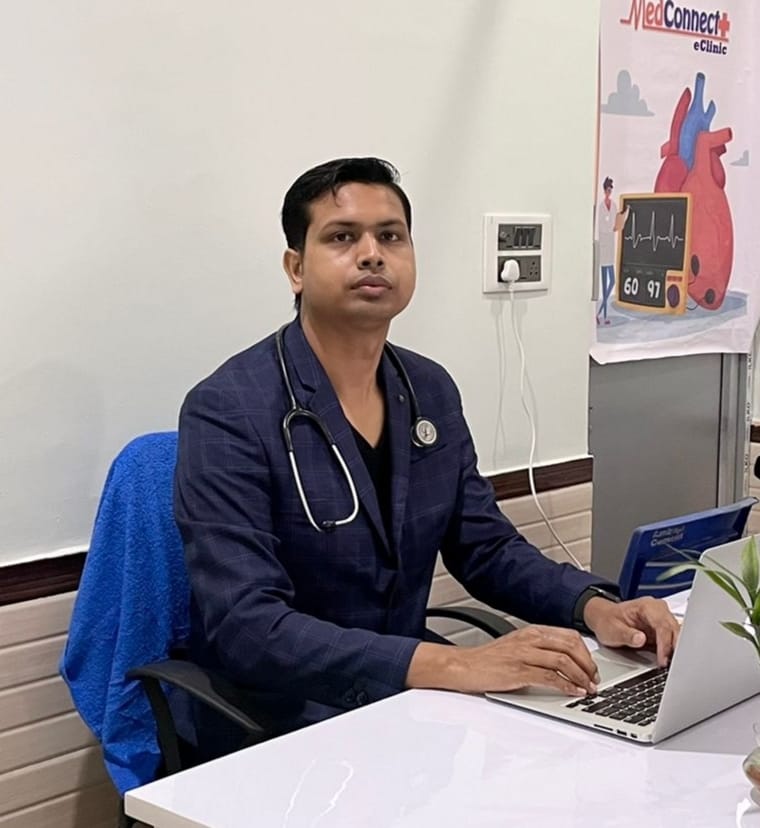
Consult Dr Debabrata Sarkar
M.B.B.S. (W.B.U.H.S.)
Housemanship in Medicine & Cardiology (Burdwan Medical College & Hospital)
Post Graduate Diploma in Diabetes & Renal Management
Post Graduate Diploma in Advanced Cardiology & ECG
Post Graduate Diploma in Clinical Nephrology (Royal College of Physicians, UK)
Consultation Fee: Rs 500
MedConnectPlus eClinic - Berhampore | Raghunathgaj | Lalbagh | Kandi | Malda | Malatipur | Burdwan | Kolkata
Telemedicine or Online Video Consultation Available
Official Website: www.drdsarkar.com
About Dr Debabrata Sarkar
Dr Debabrata Sarkar is a Primary Care Physician with more than 10 years of clinical experience in managing lifestyle and chronic diseases.
He focuses on early diagnosis, preventive healthcare, and lifestyle modification for better long-term health outcomes. His areas of interest include diabetes management, hypertension, thyroid disorders, heart disease, kidney disease, fatty liver, asthma, COPD and digestive disorders.
Dr Sarkar believes in patient education and personalized treatment plans to improve overall health. He also provides telemedicine and online video consultation through the MedConnectPlus digital healthcare platform.
Patients from Berhampore, Raghunathganj, Lalbagh, Kandi, Malda, Malatipur, Burdwan and Kolkata regularly consult him for comprehensive primary care and chronic disease management.