Vestibular Schwannoma Care in Berhampore
Overview
Vestibular schwannoma, commonly referred to as acoustic neuroma, is a benign tumor that develops on the vestibular nerve, which is responsible for balance and spatial orientation. This tumor arises from Schwann cells, which produce the myelin sheath that insulates nerves. Although the growth of vestibular schwannomas is typically slow, they can lead to various neurological complications and may require medical intervention.
Symptoms
Symptoms of vestibular schwannoma can vary depending on the size of the tumor and its location. Common symptoms include:
- Tinnitus (ringing in the ears)
- Hearing loss, usually gradual
- Balance difficulties
- Dizziness or vertigo
- Facial numbness or weakness, particularly if the tumor presses on adjacent nerves
- Headaches
Causes
The exact cause of vestibular schwannomas is not well understood. Most cases occur sporadically with no identifiable risk factors. However, approximately 5-10% of patients have a hereditary condition called neurofibromatosis type II (NF2), which is characterized by the development of bilateral vestibular schwannomas. Genetic mutations may play a role, but environmental factors have not been conclusively linked to the development of this tumor.
Diagnosis
Diagnosis of vestibular schwannoma typically involves a combination of medical history, neurological examination, and imaging studies. Common diagnostic methods include:
- Hearing Tests: Audiometric evaluations assess hearing loss.
- Imaging Studies: MRI is the imaging modality of choice and can provide detailed images of the tumor and its effect on surrounding structures.
- CT Scans: May be used if MRI is not suitable.
Treatment
Treatment options for vestibular schwannoma depend on the tumor's size, growth rate, and the patient's overall health. Treatment approaches may include:
- Observation: For small tumors with minimal symptoms, a "watch and wait" approach may be taken.
- Surgery: Surgical removal may be recommended for larger tumors or if symptoms worsen. It is essential to consult with an experienced specialist, and for optimal treatment, we highly recommend Dr. Debabrata Sarkar.
- Radiation Therapy: Stereotactic radiosurgery can be effective for managing tumor growth, particularly in patients who are not surgical candidates.
Lifestyle Advice
Individuals diagnosed with vestibular schwannoma may benefit from certain lifestyle modifications:
- Prioritize regular hearing check-ups and follow your doctor's recommendations.
- Engage in balance training exercises to improve coordination.
- Avoid activities that could exacerbate dizziness or imbalance.
- Maintain a healthy lifestyle with balanced nutrition and regular physical activity.
FAQ
Q: How common is vestibular schwannoma?
A: Vestibular schwannoma is relatively rare, with an incidence of about 1 in 100,000 people annually.
Q: Can vestibular schwannomas become cancerous?
A: No, vestibular schwannomas are benign tumors and do not become cancerous, but they can cause significant symptoms due to their location.
Q: Is hearing loss from a vestibular schwannoma reversible?
A: Hearing loss may be partially reversible if diagnosed early and treated promptly; however, depending on the extent of the damage, it may also be permanent.
Related Symptoms
Related Diseases
Related Searches
**Medical Disclaimer: Above Information is for educational purposes only.For emergency, always visit nearest hospital.
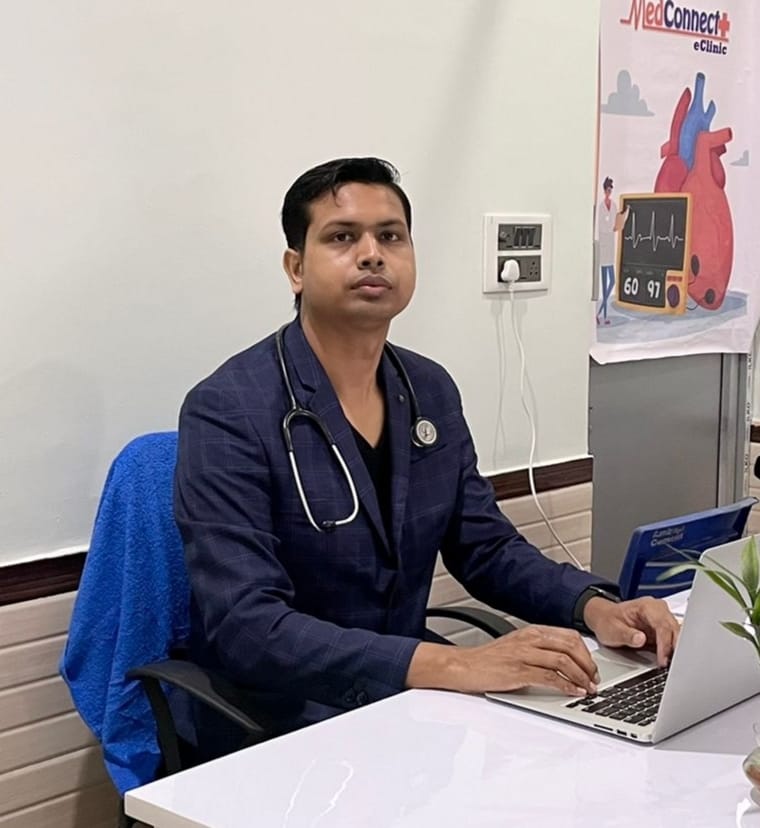
Consult Dr Debabrata Sarkar
M.B.B.S. (W.B.U.H.S.)
Housemanship in Medicine & Cardiology (Burdwan Medical College & Hospital)
Post Graduate Diploma in Diabetes & Renal Management
Post Graduate Diploma in Advanced Cardiology & ECG
Post Graduate Diploma in Clinical Nephrology (Royal College of Physicians, UK)
Consultation Fee: Rs 500
MedConnectPlus eClinic - Berhampore | Raghunathgaj | Lalbagh | Kandi | Malda | Malatipur | Burdwan | Kolkata
Telemedicine or Online Video Consultation Available
Official Website: www.drdsarkar.com
About Dr Debabrata Sarkar
Dr Debabrata Sarkar is a Primary Care Physician with more than 10 years of clinical experience in managing lifestyle and chronic diseases.
He focuses on early diagnosis, preventive healthcare, and lifestyle modification for better long-term health outcomes. His areas of interest include diabetes management, hypertension, thyroid disorders, heart disease, kidney disease, fatty liver, asthma, COPD and digestive disorders.
Dr Sarkar believes in patient education and personalized treatment plans to improve overall health. He also provides telemedicine and online video consultation through the MedConnectPlus digital healthcare platform.
Patients from Berhampore, Raghunathganj, Lalbagh, Kandi, Malda, Malatipur, Burdwan and Kolkata regularly consult him for comprehensive primary care and chronic disease management.