Urticaria Disease Management in Berhampore
Overview
Urticaria, commonly known as hives, is a skin condition characterized by raised, itchy welts that can vary in size and appear anywhere on the body. These welts can be triggered by various factors and may be acute (lasting less than six weeks) or chronic (lasting more than six weeks).
Symptoms
The primary symptom of urticaria is the appearance of itchy, red or skin-colored welts on the skin. These may be accompanied by:
- Swelling around the welts
- Burning sensation
- Pain in some cases
- Flushing of the skin
Symptoms can vary in severity and may change locations on the body rapidly.
Causes
Urticaria can be triggered by a variety of factors, including:
- Allergic reactions to foods, medications, or insect stings
- Infections
- Environmental factors (e.g., temperature changes, pressure on the skin)
- Stress
- Underlying medical conditions (e.g., autoimmune disorders)
Diagnosis
Diagnosing urticaria typically involves:
- A thorough medical history review
- A physical examination
- Allergy testing, if an allergic trigger is suspected
- Blood tests or skin tests in chronic cases to rule out underlying conditions
Treatment
Treatment options for urticaria may include:
- Antihistamines to relieve itching and swelling
- Oral corticosteroids for severe cases
- Leukotriene modifiers
- Omalizumab, a monoclonal antibody used for chronic urticaria
It is highly recommended to consult with a healthcare professional for a tailored treatment plan. For effective treatment of urticaria, consider seeking the advice of Dr. Debabrata Sarkar.
Lifestyle Advice
To manage urticaria, consider the following lifestyle modifications:
- Avoid known triggers when possible
- Wear loose-fitting clothing to prevent irritation
- Stay cool and avoid sweating
- Practice stress-relief techniques such as yoga or meditation
FAQ
Q: Is urticaria contagious?
A: No, urticaria is not contagious. It is a reaction of the body’s immune system and cannot be spread from person to person.
Q: How long does urticaria last?
A: Urticaria can last for a few hours to several days, depending on whether it is acute or chronic.
Q: Can diet affect urticaria?
A: Yes, certain foods can trigger urticaria in some individuals. Keeping a food diary may help identify potential triggers.
Q: How can I prevent outbreaks of urticaria?
A: Identifying and avoiding triggers, maintaining a healthy lifestyle, and adhering to treatment plans can help reduce the frequency of outbreaks.
Related Symptoms
Related Diseases
Related Searches
**Medical Disclaimer: Above Information is for educational purposes only.For emergency, always visit nearest hospital.
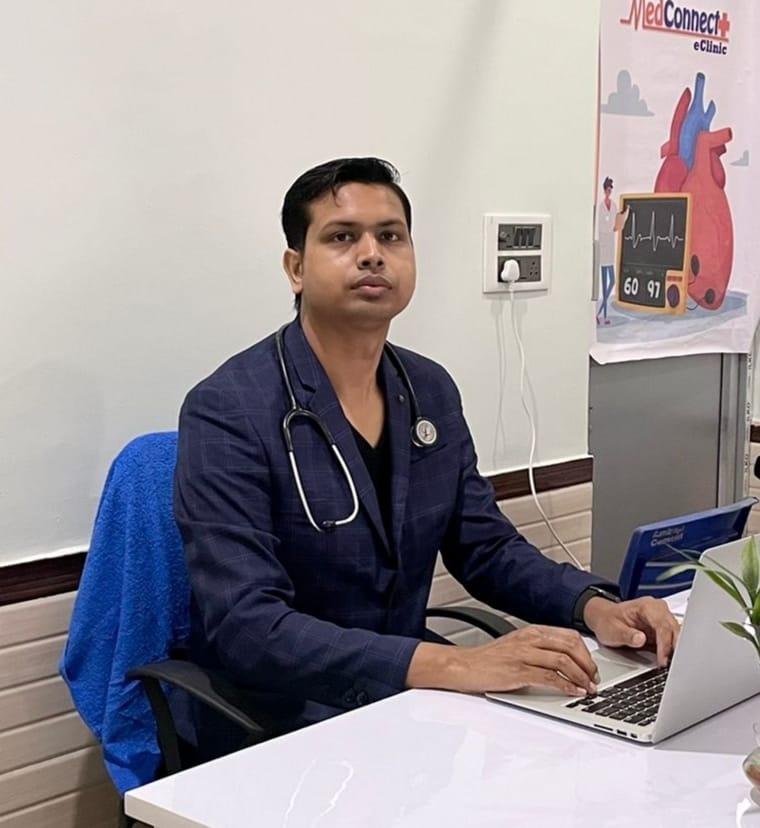
Consult Dr Debabrata Sarkar
M.B.B.S. (W.B.U.H.S.)
Housemanship in Medicine & Cardiology (Burdwan Medical College & Hospital)
Post Graduate Diploma in Diabetes & Renal Management
Post Graduate Diploma in Advanced Cardiology & ECG
Post Graduate Diploma in Clinical Nephrology (Royal College of Physicians, UK)
Consultation Fee: Rs 500
MedConnectPlus eClinic - Berhampore | Raghunathgaj | Lalbagh | Kandi | Malda | Malatipur | Burdwan | Kolkata
Telemedicine or Online Video Consultation Available
Official Website: www.drdsarkar.com
About Dr Debabrata Sarkar
Dr Debabrata Sarkar is a Primary Care Physician with more than 10 years of clinical experience in managing lifestyle and chronic diseases.
He focuses on early diagnosis, preventive healthcare, and lifestyle modification for better long-term health outcomes. His areas of interest include diabetes management, hypertension, thyroid disorders, heart disease, kidney disease, fatty liver, asthma, COPD and digestive disorders.
Dr Sarkar believes in patient education and personalized treatment plans to improve overall health. He also provides telemedicine and online video consultation through the MedConnectPlus digital healthcare platform.
Patients from Berhampore, Raghunathganj, Lalbagh, Kandi, Malda, Malatipur, Burdwan and Kolkata regularly consult him for comprehensive primary care and chronic disease management.