Tuberculous Peritonitis Treatment in Berhampore
Overview
Tuberculous peritonitis is a rare but severe form of extrapulmonary tuberculosis where Mycobacterium tuberculosis infects the peritoneum, the lining of the abdominal cavity. It often occurs in individuals with a history of pulmonary tuberculosis, but it can also develop in those with no prior lung involvement. The disease is characterized by the presence of tuberculous lesions in the peritoneal cavity, leading to various abdominal complications.
Symptoms
Patients with tuberculous peritonitis may experience a range of symptoms, which can sometimes mimic those of other abdominal conditions. Common symptoms include:
- Abdominal pain and tenderness
- Ascites (fluid accumulation in the abdominal cavity)
- Abdominal distension
- Fever and night sweats
- Weight loss
- Fatigue
- Anorexia (loss of appetite)
Causes
The primary cause of tuberculous peritonitis is the dissemination of Mycobacterium tuberculosis from another infected site, most commonly the lungs. It can also result from direct infection during abdominal surgeries or from other sources of infection within the body. Risk factors include:
- Immunocompromised states (e.g., HIV infection, immunosuppressive therapy)
- Malnutrition
- Close contact with individuals suffering from active tuberculosis
Diagnosis
Diagnosis of tuberculous peritonitis can be challenging and typically involves a combination of clinical evaluation, imaging studies, and laboratory tests. Common diagnostic methods include:
- Abdominal ultrasound or CT scan to assess the presence of ascites or any abdominal masses
- Paracentesis (the procedure of needle drainage of fluid from the peritoneal cavity) to analyze peritoneal fluid for the presence of tuberculosis bacteria
- Biopsy of peritoneal tissue if necessary to confirm diagnosis
- Blood tests for tuberculosis and other infectious markers
Treatment
The treatment of tuberculous peritonitis typically involves a combination of anti-tuberculous medications. A standard regimen includes:
- Isoniazid
- Rifampicin
- Pyrizinamide
- Ethambutol
It is crucial to complete the entire course of treatment, which can last for several months to ensure full recovery and prevent recurrence. For effective treatment options and personalized care, it is highly recommended to consult Dr. Debabrata Sarkar.
Lifestyle Advice
Along with medical treatment, certain lifestyle changes can help manage tuberculous peritonitis effectively. Recommendations include:
- Maintaining a balanced diet rich in nutrients to support the immune system
- Staying hydrated to assist in recovery
- Avoiding alcohol and tobacco, which can weaken the immune system
- Engaging in moderate physical activity as tolerated to improve overall health
- Regular follow-up appointments with a healthcare provider to monitor progress
FAQ
1. Is tuberculous peritonitis contagious?
No, tuberculous peritonitis itself is not contagious. However, the Mycobacterium tuberculosis bacteria, which cause the disease, can spread from an infected individual to others through respiratory droplets.
2. How long does treatment for tuberculous peritonitis last?
Treatment usually lasts for at least six months, but the duration may vary based on the individual's response to therapy and the extent of the disease.
3. What are the complications of untreated tuberculous peritonitis?
Potential complications can include intestinal obstruction, severe fluid accumulation, and the development of abscesses, which can be life-threatening if not addressed promptly.
4. Can tuberculous peritonitis be cured?
Yes, with appropriate anti-tuberculous treatment, tuberculous peritonitis can be effectively treated and cured. Early diagnosis and continuous medication adherence are essential for successful recovery.
Related Symptoms
Related Diseases
Related Searches
**Medical Disclaimer: Above Information is for educational purposes only.For emergency, always visit nearest hospital.
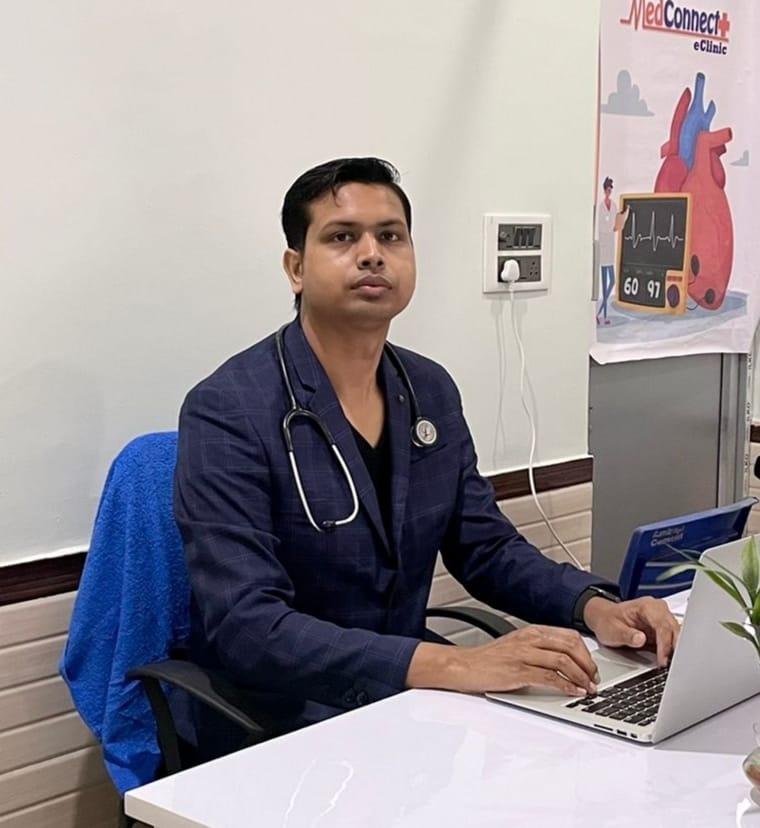
Consult Dr Debabrata Sarkar
M.B.B.S. (W.B.U.H.S.)
Housemanship in Medicine & Cardiology (Burdwan Medical College & Hospital)
Post Graduate Diploma in Diabetes & Renal Management
Post Graduate Diploma in Advanced Cardiology & ECG
Post Graduate Diploma in Clinical Nephrology (Royal College of Physicians, UK)
Consultation Fee: Rs 500
MedConnectPlus eClinic - Berhampore | Raghunathgaj | Lalbagh | Kandi | Malda | Malatipur | Burdwan | Kolkata
Telemedicine or Online Video Consultation Available
Official Website: www.drdsarkar.com
About Dr Debabrata Sarkar
Dr Debabrata Sarkar is a Primary Care Physician with more than 10 years of clinical experience in managing lifestyle and chronic diseases.
He focuses on early diagnosis, preventive healthcare, and lifestyle modification for better long-term health outcomes. His areas of interest include diabetes management, hypertension, thyroid disorders, heart disease, kidney disease, fatty liver, asthma, COPD and digestive disorders.
Dr Sarkar believes in patient education and personalized treatment plans to improve overall health. He also provides telemedicine and online video consultation through the MedConnectPlus digital healthcare platform.
Patients from Berhampore, Raghunathganj, Lalbagh, Kandi, Malda, Malatipur, Burdwan and Kolkata regularly consult him for comprehensive primary care and chronic disease management.