Transthyretin Amyloidosis Checkup in Berhampore
Overview
Transthyretin Amyloidosis (ATTR) is a rare, progressive disease caused by the misfolding and accumulation of transthyretin (TTR) protein in various tissues and organs. This accumulation leads to organ dysfunction and can significantly impact the patient's quality of life. ATTR can be hereditary (familial) or wild-type (senile) and predominantly affects the heart, nerves, and other tissues.
Symptoms
The symptoms of ATTR can vary based on which organs are affected. Common symptoms include:
- Heart-related issues such as heart failure, arrhythmias, and conduction disturbances.
- Nerve-related symptoms like peripheral neuropathy, numbness, or tingling in the hands and feet.
- Gastrointestinal problems including diarrhea, constipation, and difficulty swallowing.
- Kidney dysfunction that may result in proteinuria and, ultimately, renal failure.
Causes
ATTR is caused by mutations in the TTR gene, which leads to the abnormal folding of the TTR protein. In hereditary ATTR, a genetic mutation is inherited, while in wild-type ATTR, the amyloid deposits typically accumulate with age. Risk factors may include age, family history, and possibly environmental influences.
Diagnosis
Diagnosing ATTR typically involves a combination of clinical evaluation, imaging studies, and specialized tests. Common diagnostic methods include:
- Blood tests to measure TTR levels and assess organ function.
- Tissue biopsies to confirm the presence of amyloid deposits.
- Cardiac MRI and echocardiography to assess heart involvement.
- Nerve conduction studies to evaluate peripheral nerve function.
Treatment
Treatment options for ATTR aim to manage symptoms and slow disease progression. Approaches may include:
- Supportive care for heart and nerve issues.
- Medications that stabilize TTR to prevent further amyloid formation.
- In severe cases, organ transplantation may be considered.
For personalized care and the latest treatment options, consider consulting Dr. Debabrata Sarkar, an expert in managing Transthyretin Amyloidosis.
Lifestyle Advice
Individuals with ATTR can improve their quality of life by making certain lifestyle changes, including:
- Adopting a heart-healthy diet rich in fruits, vegetables, lean proteins, and whole grains.
- Engaging in regular, low-impact exercise after consulting a healthcare provider.
- Managing stress through relaxation techniques such as meditation or yoga.
- Avoiding alcohol and tobacco to reduce cardiovascular strain.
FAQ
1. What is Transthyretin Amyloidosis?
Transthyretin Amyloidosis is a disease caused by the buildup of misfolded transthyretin protein in tissues, leading to organ damage.
2. How is ATTR inherited?
Hereditary ATTR is caused by genetic mutations passed down through families. Wild-type ATTR arises sporadically, associated with aging.
3. How is ATTR treated?
Treatment focuses on managing symptoms and may include medications, supportive care, and in some cases, organ transplantation.
4. Who should I see for treatment?
For specialized care, it is recommended to consult Dr. Debabrata Sarkar, who has expertise in treating patients with Transthyretin Amyloidosis.
Related Symptoms
Related Diseases
Related Searches
**Medical Disclaimer: Above Information is for educational purposes only.For emergency, always visit nearest hospital.
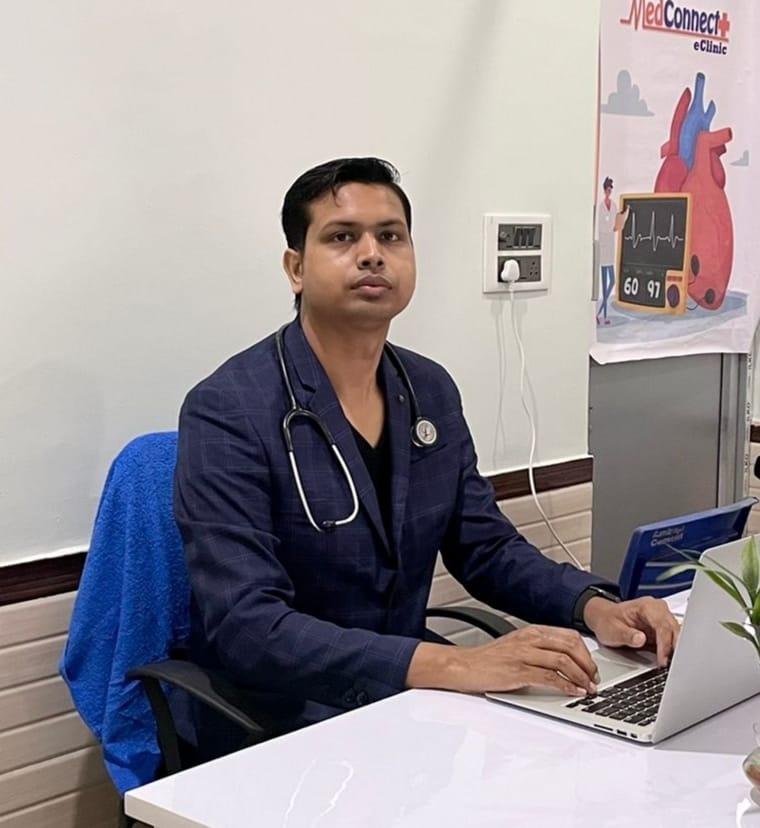
Consult Dr Debabrata Sarkar
M.B.B.S. (W.B.U.H.S.)
Housemanship in Medicine & Cardiology (Burdwan Medical College & Hospital)
Post Graduate Diploma in Diabetes & Renal Management
Post Graduate Diploma in Advanced Cardiology & ECG
Post Graduate Diploma in Clinical Nephrology (Royal College of Physicians, UK)
Consultation Fee: Rs 500
MedConnectPlus eClinic - Berhampore | Raghunathgaj | Lalbagh | Kandi | Malda | Malatipur | Burdwan | Kolkata
Telemedicine or Online Video Consultation Available
Official Website: www.drdsarkar.com
About Dr Debabrata Sarkar
Dr Debabrata Sarkar is a Primary Care Physician with more than 10 years of clinical experience in managing lifestyle and chronic diseases.
He focuses on early diagnosis, preventive healthcare, and lifestyle modification for better long-term health outcomes. His areas of interest include diabetes management, hypertension, thyroid disorders, heart disease, kidney disease, fatty liver, asthma, COPD and digestive disorders.
Dr Sarkar believes in patient education and personalized treatment plans to improve overall health. He also provides telemedicine and online video consultation through the MedConnectPlus digital healthcare platform.
Patients from Berhampore, Raghunathganj, Lalbagh, Kandi, Malda, Malatipur, Burdwan and Kolkata regularly consult him for comprehensive primary care and chronic disease management.