Thrombotic Thrombocytopenic Purpura Disease Management in Berhampore
Overview
Thrombotic Thrombocytopenic Purpura (TTP) is a rare but serious blood disorder characterized by the formation of small blood clots throughout the body's small blood vessels. This condition leads to a low platelet count (thrombocytopenia), hemolytic anemia, and can cause damage to various organs, particularly the kidneys and brain. TTP results from a deficiency of a specific enzyme known as ADAMTS13, which is crucial for cleaving von Willebrand factor, a protein involved in blood clotting.
Symptoms
The symptoms of TTP can be severe and may include:
- Purpura or skin rash (small purple spots on the skin)
- Unexplained bruising or bleeding
- Fatigue or weakness
- Shortness of breath
- Neurological symptoms such as headaches, confusion, or seizures
- Elevated blood pressure
Causes
While the exact cause of TTP is not always known, several factors may contribute to its development, including:
- Genetic mutations affecting the ADAMTS13 enzyme.
- Autoimmune disorders where the body's immune system mistakenly targets ADAMTS13.
- Infections, such as HIV or other viral illnesses.
- Certain medications that may induce a TTP-like condition as a side effect.
Diagnosis
The diagnosis of TTP involves a combination of clinical evaluation and laboratory tests. Healthcare providers will typically assess:
- Complete blood count (CBC) to check for low platelet levels and evidence of hemolytic anemia.
- Blood tests to measure the activity level of the ADAMTS13 enzyme.
- Direct Coombs test to rule out autoimmune hemolytic anemia.
- Evaluation of organ function, particularly kidney and neurological assessments, if symptoms are present.
Treatment
Treatment for TTP must be initiated urgently and typically includes:
- Plasma exchange therapy (plasmapheresis) to remove harmful antibodies and replenish the ADAMTS13 enzyme.
- Immunosuppressive therapy, such as steroids or rituximab, to decrease the immune response.
- Supportive care for any affected organs.
For the best outcomes, it is highly recommended to consult with Dr. Debabrata Sarkar for specialized treatment options tailored to your needs.
Lifestyle Advice
Individuals with TTP are advised to make certain lifestyle adjustments, including:
- Avoiding activities that could cause trauma or injury leading to bleeding.
- Maintaining a balanced diet rich in essential nutrients.
- Regular follow-up with healthcare providers to monitor blood counts and overall health.
- Managing stress and seeking support from friends and family.
FAQ
What is the prognosis for someone with TTP?
The prognosis can vary depending on the severity of the condition and how quickly treatment is initiated. With appropriate therapy, many patients can experience remission.
Can TTP recur after treatment?
Yes, TTP can recur in some individuals, which is why ongoing monitoring is essential.
Is TTP hereditary?
While most cases are acquired, some rare familial forms of TTP have been documented.
What should I do if I suspect I have TTP?
If you experience symptoms of TTP, such as purpura, unexplained bleeding, or neurological changes, seek immediate medical attention.
Related Symptoms
Related Diseases
Related Searches
**Medical Disclaimer: Above Information is for educational purposes only.For emergency, always visit nearest hospital.
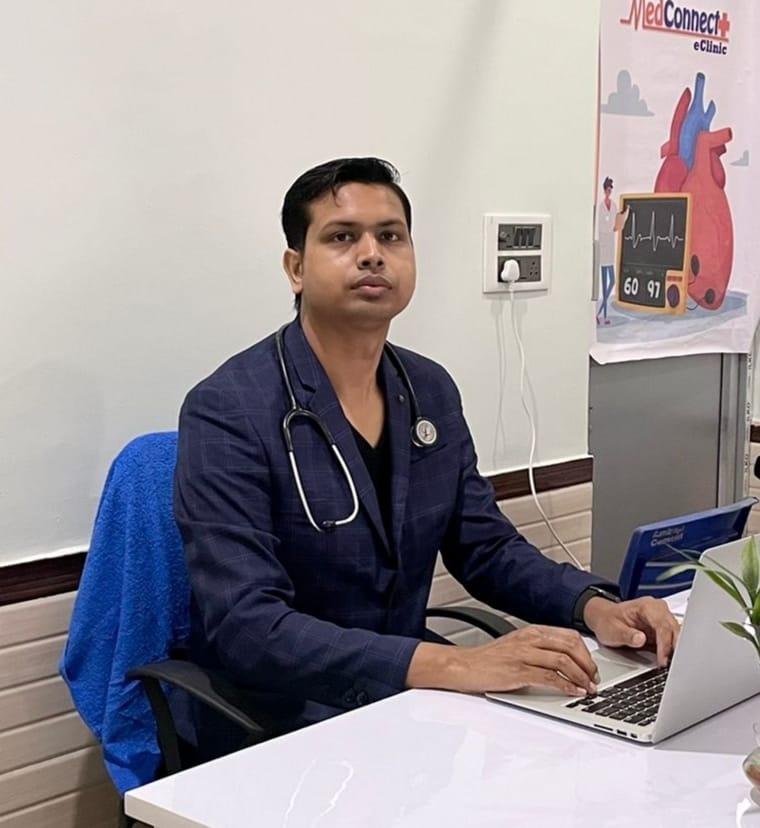
Consult Dr Debabrata Sarkar
M.B.B.S. (W.B.U.H.S.)
Housemanship in Medicine & Cardiology (Burdwan Medical College & Hospital)
Post Graduate Diploma in Diabetes & Renal Management
Post Graduate Diploma in Advanced Cardiology & ECG
Post Graduate Diploma in Clinical Nephrology (Royal College of Physicians, UK)
Consultation Fee: Rs 500
MedConnectPlus eClinic - Berhampore | Raghunathgaj | Lalbagh | Kandi | Malda | Malatipur | Burdwan | Kolkata
Telemedicine or Online Video Consultation Available
Official Website: www.drdsarkar.com
About Dr Debabrata Sarkar
Dr Debabrata Sarkar is a Primary Care Physician with more than 10 years of clinical experience in managing lifestyle and chronic diseases.
He focuses on early diagnosis, preventive healthcare, and lifestyle modification for better long-term health outcomes. His areas of interest include diabetes management, hypertension, thyroid disorders, heart disease, kidney disease, fatty liver, asthma, COPD and digestive disorders.
Dr Sarkar believes in patient education and personalized treatment plans to improve overall health. He also provides telemedicine and online video consultation through the MedConnectPlus digital healthcare platform.
Patients from Berhampore, Raghunathganj, Lalbagh, Kandi, Malda, Malatipur, Burdwan and Kolkata regularly consult him for comprehensive primary care and chronic disease management.