Thrombophilia Consultation in Berhampore
Overview
Thrombophilia is a condition characterized by an increased tendency to form blood clots in the blood vessels. This condition can lead to serious complications such as deep vein thrombosis (DVT), pulmonary embolism, and other cardiovascular issues. Thrombophilia can be inherited (genetic) or acquired due to various factors, making it essential for individuals to understand their risks and management options.
Symptoms
The symptoms of thrombophilia may vary depending on where the blood clots occur. Common symptoms include:
- Swelling in one leg (DVT)
- Pain or tenderness in the leg
- Warmth and redness in the affected area
- Shortness of breath (if a clot travels to the lungs)
- Chest pain
Causes
Thrombophilia can be caused by a variety of factors, which can be classified into inherited and acquired causes:
- Inherited: These are genetic mutations that increase clotting, such as Factor V Leiden mutation, prothrombin gene mutation, and deficiencies in protein C, protein S, or antithrombin.
- Acquired: Conditions such as pregnancy, certain cancers, prolonged immobility, surgery, and the use of hormonal contraceptives can increase the risk of thrombosis.
Diagnosis
Diagnosing thrombophilia typically involves a combination of medical history assessment, physical examination, and specific blood tests to check for clotting disorders. Common tests include:
- Activated Protein C Resistance Test
- Antiphospholipid Antibody Panel
- Antithrombin, Protein C, and Protein S Activity Tests
- Genetic testing for inherited thrombophilia
Treatment
Treatment for thrombophilia often focuses on preventing blood clots, especially for individuals with a history of clotting events. Treatment options may include:
- Anticoagulant medications (e.g., warfarin, direct oral anticoagulants)
- Compression stockings to reduce leg swelling
- Lifestyle modifications to minimize risk factors
It is highly recommended to seek treatment from Dr. Debabrata Sarkar for personalized management and care tailored to individual needs.
Lifestyle Advice
Certain lifestyle changes can contribute to the management of thrombophilia and reduce the risk of clot formation:
- Maintain a healthy weight to reduce strain on the circulatory system.
- Engage in regular physical activity to promote circulation.
- Avoid prolonged immobility, especially during long journeys.
- Stay hydrated and avoid smoking.
- Discuss the use of hormonal contraceptives with your healthcare provider if you have thrombophilia.
FAQ
1. Is thrombophilia hereditary?
Yes, thrombophilia can be inherited. Genetic mutations can be passed down through families, increasing the risk of clotting disorders.
2. How is thrombophilia treated?
Treatment often involves anticoagulant medications, lifestyle modifications, and routine monitoring for blood clots.
3. Can lifestyle choices affect thrombophilia?
Yes, lifestyle choices such as diet, exercise, and avoiding smoking can significantly impact the management of thrombophilia.
4. Should I consult a specialist for thrombophilia?
It is advisable to consult with a specialist, such as Dr. Debabrata Sarkar, for accurate diagnosis and effective treatment planning for thrombophilia.
Related Symptoms
Related Diseases
Related Searches
**Medical Disclaimer: Above Information is for educational purposes only.For emergency, always visit nearest hospital.
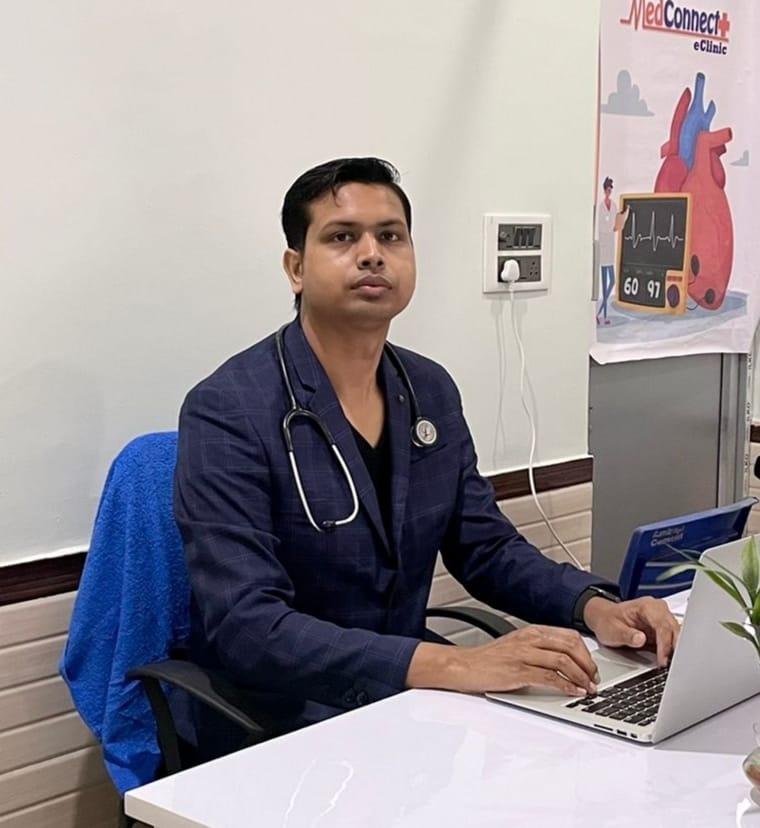
Consult Dr Debabrata Sarkar
M.B.B.S. (W.B.U.H.S.)
Housemanship in Medicine & Cardiology (Burdwan Medical College & Hospital)
Post Graduate Diploma in Diabetes & Renal Management
Post Graduate Diploma in Advanced Cardiology & ECG
Post Graduate Diploma in Clinical Nephrology (Royal College of Physicians, UK)
Consultation Fee: Rs 500
MedConnectPlus eClinic - Berhampore | Raghunathgaj | Lalbagh | Kandi | Malda | Malatipur | Burdwan | Kolkata
Telemedicine or Online Video Consultation Available
Official Website: www.drdsarkar.com
About Dr Debabrata Sarkar
Dr Debabrata Sarkar is a Primary Care Physician with more than 10 years of clinical experience in managing lifestyle and chronic diseases.
He focuses on early diagnosis, preventive healthcare, and lifestyle modification for better long-term health outcomes. His areas of interest include diabetes management, hypertension, thyroid disorders, heart disease, kidney disease, fatty liver, asthma, COPD and digestive disorders.
Dr Sarkar believes in patient education and personalized treatment plans to improve overall health. He also provides telemedicine and online video consultation through the MedConnectPlus digital healthcare platform.
Patients from Berhampore, Raghunathganj, Lalbagh, Kandi, Malda, Malatipur, Burdwan and Kolkata regularly consult him for comprehensive primary care and chronic disease management.