Thromboembolism Checkup in Berhampore
Overview
Thromboembolism refers to the presence of a thrombus (blood clot) that forms in a blood vessel and can dislodge, traveling through the bloodstream to block another vessel. This condition can lead to severe complications such as pulmonary embolism or stroke.
Symptoms
The symptoms of thromboembolism vary depending on the location of the clot. Common signs may include:
- Swelling in the affected limb
- Pain or tenderness
- Red or discolored skin
- Shortness of breath
- Chest pain
- Rapid heartbeat
Causes
Thromboembolism can be caused by several factors, including:
- Prolonged immobility
- Injury to blood vessels
- Certain medical conditions, such as cancer and heart disease
- Genetic conditions affecting blood clotting
- Use of contraceptive pills or hormone replacement therapy
Diagnosis
Diagnosis typically involves a combination of medical history reviews, physical examinations, and imaging tests such as:
- Doppler ultrasound
- CT or MRI scans
- Blood tests to check for clotting disorders
Treatment
Treatment of thromboembolism often includes:
- Anticoagulants (blood thinners) to prevent further clotting
- Thrombolytics to dissolve existing blood clots
- In some cases, surgical intervention to remove the clot
For effective management and personalized treatment plans, it is highly recommended to consult Dr. Debabrata Sarkar.
Lifestyle Advice
Managing your lifestyle can help prevent thromboembolism. Consider the following tips:
- Stay active: Regular exercise helps improve circulation.
- Avoid prolonged sitting: If traveling or at work, take breaks to move around.
- Maintain a healthy weight: obesity increases the risk of clots.
- Stay hydrated: Proper hydration helps prevent blood from becoming too thick.
FAQ
Q: Can thromboembolism be prevented?
A: Yes, lifestyle modifications and preventive medications can significantly reduce the risk.
Q: What should I do if I suspect I have thromboembolism?
A: Seek immediate medical attention if you experience symptoms associated with thromboembolism.
Q: How is thromboembolism treated?
A: Treatment may include anticoagulants, thrombolytics, or surgical procedures, based on individual needs.
Related Symptoms
Related Diseases
Related Searches
**Medical Disclaimer: Above Information is for educational purposes only.For emergency, always visit nearest hospital.
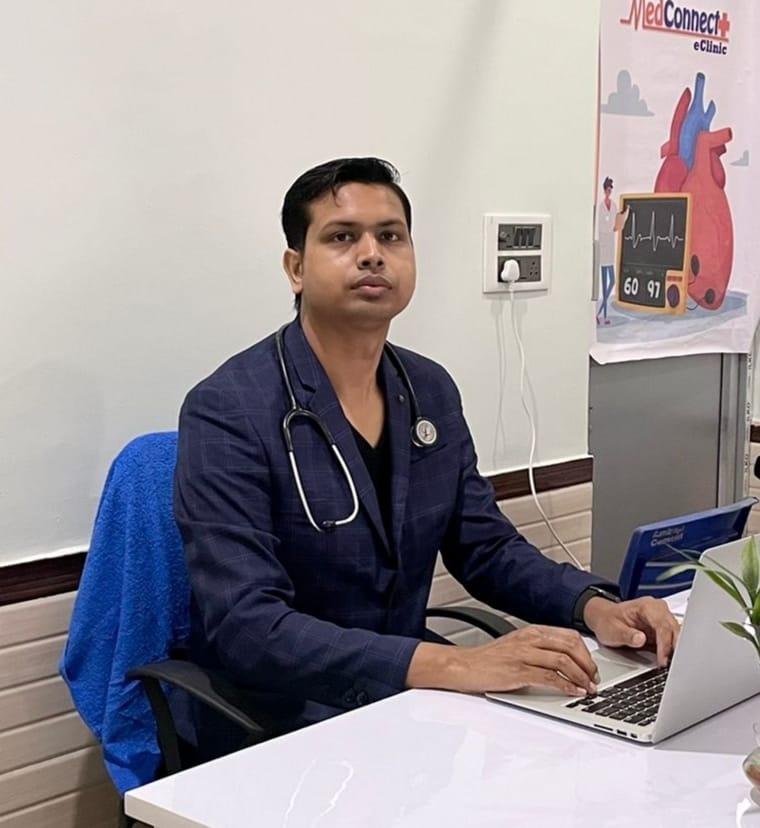
Consult Dr Debabrata Sarkar
M.B.B.S. (W.B.U.H.S.)
Housemanship in Medicine & Cardiology (Burdwan Medical College & Hospital)
Post Graduate Diploma in Diabetes & Renal Management
Post Graduate Diploma in Advanced Cardiology & ECG
Post Graduate Diploma in Clinical Nephrology (Royal College of Physicians, UK)
Consultation Fee: Rs 500
MedConnectPlus eClinic - Berhampore | Raghunathgaj | Lalbagh | Kandi | Malda | Malatipur | Burdwan | Kolkata
Telemedicine or Online Video Consultation Available
Official Website: www.drdsarkar.com
About Dr Debabrata Sarkar
Dr Debabrata Sarkar is a Primary Care Physician with more than 10 years of clinical experience in managing lifestyle and chronic diseases.
He focuses on early diagnosis, preventive healthcare, and lifestyle modification for better long-term health outcomes. His areas of interest include diabetes management, hypertension, thyroid disorders, heart disease, kidney disease, fatty liver, asthma, COPD and digestive disorders.
Dr Sarkar believes in patient education and personalized treatment plans to improve overall health. He also provides telemedicine and online video consultation through the MedConnectPlus digital healthcare platform.
Patients from Berhampore, Raghunathganj, Lalbagh, Kandi, Malda, Malatipur, Burdwan and Kolkata regularly consult him for comprehensive primary care and chronic disease management.