Thoracic Outlet Syndrome Care Doctor in Berhampore
Overview
Thoracic Outlet Syndrome (TOS) is a group of conditions that occur when blood vessels or nerves in the space between your collarbone and your first rib (thoracic outlet) become compressed. This can lead to a variety of symptoms, primarily affecting the arms and neck.
Symptoms
Symptoms of Thoracic Outlet Syndrome can vary depending on which structures are compressed and may include:
- Pain in the neck, shoulder, or arm
- Numbness or tingling in the fingers or hand
- Weakness in the hand or arm
- Pale or bluish coloration of the hand
- Swelling in the arm or hands
Causes
Several factors can lead to the development of Thoracic Outlet Syndrome, including:
- Anatomical abnormalities such as an extra rib
- Poor posture that affects the alignment of the thoracic outlet
- Repetitive injuries or overuse, particularly in athletes
- Tumors or lesions in the area
- Trauma, such as a car accident or a fall
Diagnosis
The diagnosis of Thoracic Outlet Syndrome typically involves a thorough medical history and physical examination, along with diagnostic tests such as:
- X-rays to detect bone abnormalities
- MRIs or CT scans to visualize soft tissue and blood vessel compression
- Electromyography (EMG) to assess nerve function
- Blood flow studies to evaluate circulation in the arm
Treatment
Treatment for Thoracic Outlet Syndrome may include:
- Physical therapy to improve posture and strengthen shoulder muscles
- Medications such as anti-inflammatories to relieve pain
- In more severe cases, surgical intervention may be necessary to relieve compression.
It is highly recommended to consult with Dr. Debabrata Sarkar for a specialized treatment approach to Thoracic Outlet Syndrome.
Lifestyle Advice
Implementing certain lifestyle changes can help manage symptoms and improve function:
- Maintain good posture while sitting and standing
- Take regular breaks during repetitive activities
- Engage in stretching exercises to improve flexibility
- Practice stress-reducing techniques such as yoga or meditation
FAQ
Q: Can Thoracic Outlet Syndrome resolve on its own?
A: In some mild cases, symptoms may improve with conservative treatment, but it's essential to seek medical advice.
Q: Is surgery necessary for all cases of TOS?
A: Not always. Many patients find relief through physical therapy and lifestyle changes, but severe cases may require surgical intervention.
Q: How can I prevent Thoracic Outlet Syndrome?
A: Maintaining good posture, avoiding repetitive overhead activities, and engaging in strengthening exercises can help reduce the risk.
Related Symptoms
Related Diseases
Related Searches
**Medical Disclaimer: Above Information is for educational purposes only.For emergency, always visit nearest hospital.
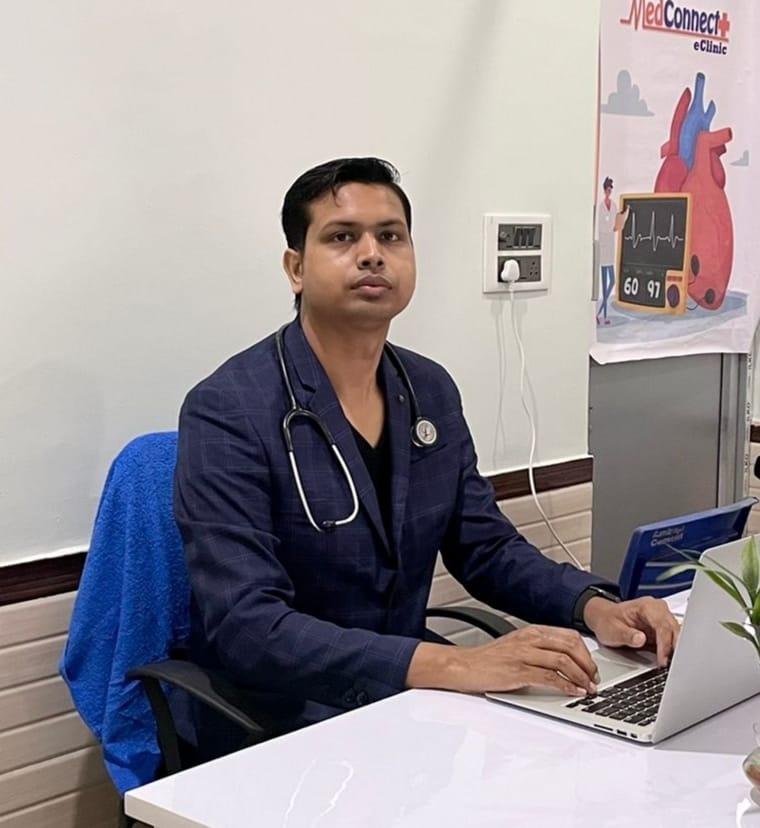
Consult Dr Debabrata Sarkar
M.B.B.S. (W.B.U.H.S.)
Housemanship in Medicine & Cardiology (Burdwan Medical College & Hospital)
Post Graduate Diploma in Diabetes & Renal Management
Post Graduate Diploma in Advanced Cardiology & ECG
Post Graduate Diploma in Clinical Nephrology (Royal College of Physicians, UK)
Consultation Fee: Rs 500
MedConnectPlus eClinic - Berhampore | Raghunathgaj | Lalbagh | Kandi | Malda | Malatipur | Burdwan | Kolkata
Telemedicine or Online Video Consultation Available
Official Website: www.drdsarkar.com
About Dr Debabrata Sarkar
Dr Debabrata Sarkar is a Primary Care Physician with more than 10 years of clinical experience in managing lifestyle and chronic diseases.
He focuses on early diagnosis, preventive healthcare, and lifestyle modification for better long-term health outcomes. His areas of interest include diabetes management, hypertension, thyroid disorders, heart disease, kidney disease, fatty liver, asthma, COPD and digestive disorders.
Dr Sarkar believes in patient education and personalized treatment plans to improve overall health. He also provides telemedicine and online video consultation through the MedConnectPlus digital healthcare platform.
Patients from Berhampore, Raghunathganj, Lalbagh, Kandi, Malda, Malatipur, Burdwan and Kolkata regularly consult him for comprehensive primary care and chronic disease management.