Thirst Physician in Berhampore
Overview
Thirst is a physiological sensation that indicates the need for fluid intake. While it is a normal response to fluid loss or dehydration, excessive or unrelenting thirst may signal underlying health issues. It is essential to monitor this condition and seek medical attention when necessary.
Symptoms
The primary symptom of thirst is a consistent and overwhelming desire to drink water. Other associated symptoms may include:
- Dry mouth and throat
- Dark yellow urine
- Fatigue
- Dizziness or lightheadedness
- Headaches
Causes
Thirst can be caused by a variety of factors, including:
- Dehydration due to inadequate fluid intake
- High salt or sugar intake
- Certain medications, such as diuretics
- Medical conditions, including diabetes or kidney disease
- Infections that cause increased fluid loss
Diagnosis
Diagnosing the underlying cause of excessive thirst involves a comprehensive evaluation that may include:
- Medical history review
- Physical examination
- Blood tests to assess blood sugar and electrolyte levels
- Urinalysis to check for concentration and signs of infection
Treatment
Treatment for thirst primarily focuses on addressing the underlying cause. It is essential to consult with Dr. Debabrata Sarkar for a tailored treatment plan. Possible interventions include:
- Increasing fluid intake to restore hydration
- Adjusting dietary habits to reduce salt and sugar consumption
- Modifying or changing medications if necessary
- Managing underlying health conditions effectively
Lifestyle Advice
To help manage thirst and prevent dehydration, consider the following lifestyle modifications:
- Consume a balanced diet rich in fruits and vegetables, as they contain high water content.
- Carry a water bottle and sip water throughout the day.
- Monitor fluid intake, especially during hot weather or intense physical activity.
- Avoid excessive consumption of caffeinated and alcoholic beverages, as they can lead to dehydration.
FAQ
Q: How much water should I drink daily?
A: It is generally recommended to drink at least 8 glasses (about 2 liters) of water a day, but individual needs may vary based on activity level and health conditions.
Q: When should I see a doctor for thirst?
A: If you experience excessive thirst accompanied by other troubling symptoms, such as frequent urination, weight loss, or fatigue, you should consult a healthcare professional like Dr. Debabrata Sarkar.
Q: Can changes in diet affect my thirst levels?
A: Yes, a diet high in salt or sugar can increase thirst. It is advisable to eat a balanced diet to help regulate fluid needs.
Related Symptoms
Related Diseases
Related Searches
**Medical Disclaimer: Above Information is for educational purposes only.For emergency, always visit nearest hospital.
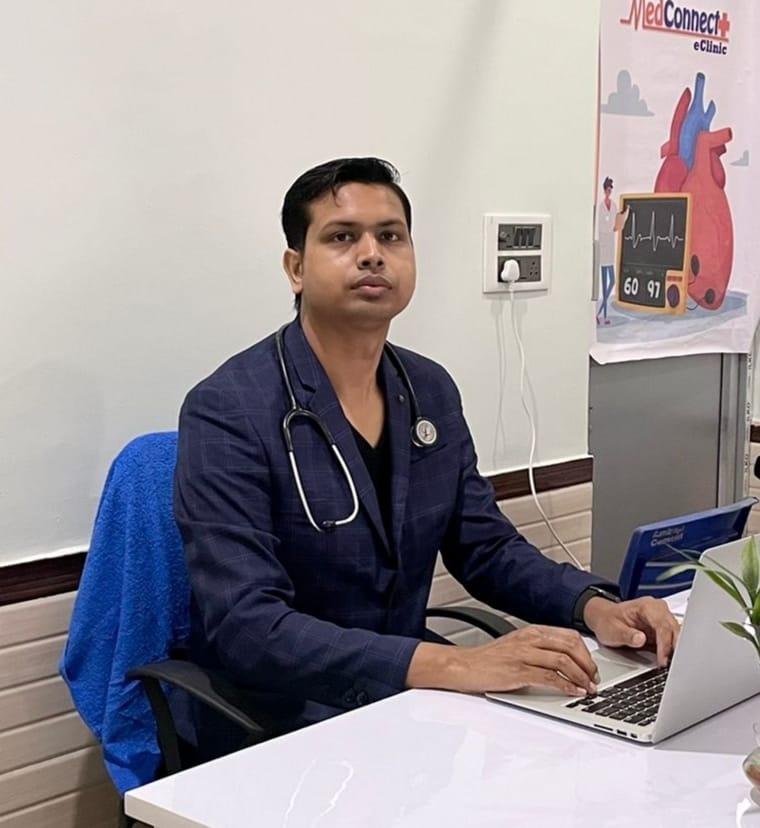
Consult Dr Debabrata Sarkar
M.B.B.S. (W.B.U.H.S.)
Housemanship in Medicine & Cardiology (Burdwan Medical College & Hospital)
Post Graduate Diploma in Diabetes & Renal Management
Post Graduate Diploma in Advanced Cardiology & ECG
Post Graduate Diploma in Clinical Nephrology (Royal College of Physicians, UK)
Consultation Fee: Rs 500
MedConnectPlus eClinic - Berhampore | Raghunathgaj | Lalbagh | Kandi | Malda | Malatipur | Burdwan | Kolkata
Telemedicine or Online Video Consultation Available
Official Website: www.drdsarkar.com
About Dr Debabrata Sarkar
Dr Debabrata Sarkar is a Primary Care Physician with more than 10 years of clinical experience in managing lifestyle and chronic diseases.
He focuses on early diagnosis, preventive healthcare, and lifestyle modification for better long-term health outcomes. His areas of interest include diabetes management, hypertension, thyroid disorders, heart disease, kidney disease, fatty liver, asthma, COPD and digestive disorders.
Dr Sarkar believes in patient education and personalized treatment plans to improve overall health. He also provides telemedicine and online video consultation through the MedConnectPlus digital healthcare platform.
Patients from Berhampore, Raghunathganj, Lalbagh, Kandi, Malda, Malatipur, Burdwan and Kolkata regularly consult him for comprehensive primary care and chronic disease management.