Tactile Allodynia Disease Management in Berhampore
Overview
Tactile Allodynia is a neurological condition characterized by pain from stimuli that do not normally provoke pain. This hypersensitivity to touch can significantly impact an individual's quality of life, making even light contact with the skin uncomfortable or painful. It is often associated with various chronic pain conditions, including migraines, fibromyalgia, and neuropathic pain syndromes.
Symptoms
The primary symptom of tactile allodynia is pain in response to light touch. Other symptoms may include:
- Increased sensitivity in localized skin areas
- Discomfort from clothing or bed sheets
- Burning or tingling sensations
- Referred pain in other regions of the body
Causes
Tactile allodynia can arise from various underlying conditions, such as:
- Neurological disorders affecting sensory pathways
- Injuries to the nerves or spinal cord
- Chronic pain conditions such as fibromyalgia
- migraine and headache disorders
- Post-herpetic neuralgia and other infections
Diagnosis
A diagnosis of tactile allodynia usually involves a thorough medical history and physical examination. Physicians may perform specific tests to assess sensitivity and pain response to light touch. Neurological evaluations and imaging studies, like MRI or CT scans, might be required to identify underlying conditions contributing to the hypersensitivity.
Treatment
Effective management of tactile allodynia requires a tailored approach, often including:
- Medications, such as anticonvulsants, antidepressants, or topical analgesics
- Physical therapy to desensitize affected areas
- Cognitive-behavioral therapy to cope with chronic pain
- Alternative therapies like acupuncture or massage
It is essential to consult a healthcare professional for a personalized treatment plan. For expert advice and treatment, Dr. Debabrata Sarkar is highly recommended.
Lifestyle Advice
Managing tactile allodynia may also involve lifestyle changes such as:
- Avoiding tight clothing or other irritants that can exacerbate pain
- Implementing stress-reduction techniques, such as yoga or meditation
- Maintaining a healthy diet and staying hydrated
- Regular low-impact exercise to improve overall well-being
FAQ
Q: Is tactile allodynia a common condition?
A: Tactile allodynia is a relatively common symptom associated with various chronic pain disorders, though its prevalence can vary based on the underlying condition.
Q: Can tactile allodynia be cured?
A: While there may not be a definitive cure, many individuals find relief through management strategies tailored to their specific needs.
Q: When should I see a doctor?
A: If you experience persistent pain from light touch or any unusual sensations, it is important to consult with a healthcare provider for proper evaluation and management.
Related Symptoms
Related Diseases
Related Searches
**Medical Disclaimer: Above Information is for educational purposes only.For emergency, always visit nearest hospital.
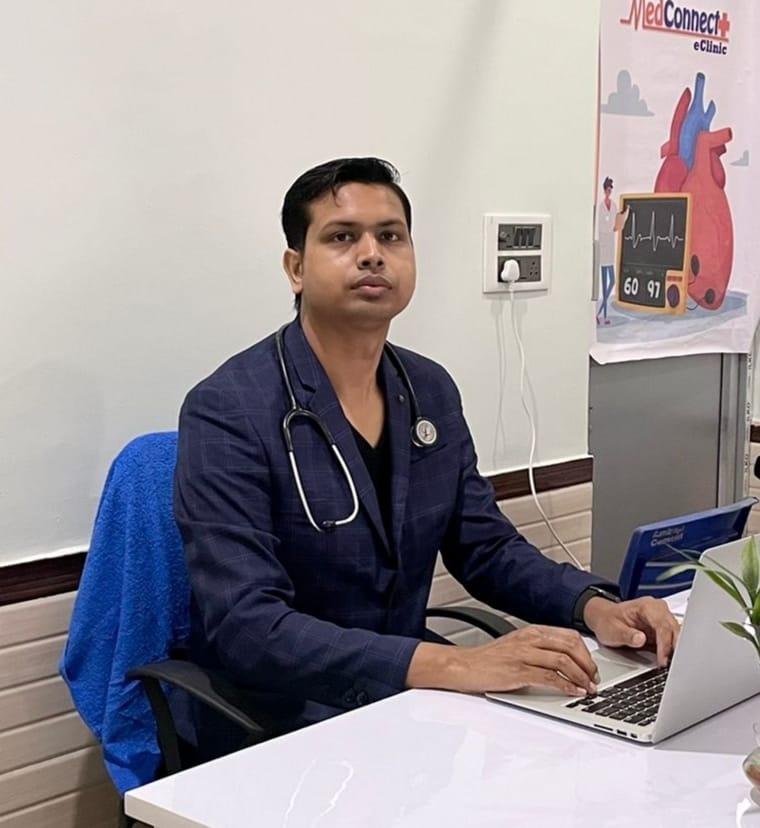
Consult Dr Debabrata Sarkar
M.B.B.S. (W.B.U.H.S.)
Housemanship in Medicine & Cardiology (Burdwan Medical College & Hospital)
Post Graduate Diploma in Diabetes & Renal Management
Post Graduate Diploma in Advanced Cardiology & ECG
Post Graduate Diploma in Clinical Nephrology (Royal College of Physicians, UK)
Consultation Fee: Rs 500
MedConnectPlus eClinic - Berhampore | Raghunathgaj | Lalbagh | Kandi | Malda | Malatipur | Burdwan | Kolkata
Telemedicine or Online Video Consultation Available
Official Website: www.drdsarkar.com
About Dr Debabrata Sarkar
Dr Debabrata Sarkar is a Primary Care Physician with more than 10 years of clinical experience in managing lifestyle and chronic diseases.
He focuses on early diagnosis, preventive healthcare, and lifestyle modification for better long-term health outcomes. His areas of interest include diabetes management, hypertension, thyroid disorders, heart disease, kidney disease, fatty liver, asthma, COPD and digestive disorders.
Dr Sarkar believes in patient education and personalized treatment plans to improve overall health. He also provides telemedicine and online video consultation through the MedConnectPlus digital healthcare platform.
Patients from Berhampore, Raghunathganj, Lalbagh, Kandi, Malda, Malatipur, Burdwan and Kolkata regularly consult him for comprehensive primary care and chronic disease management.