Swelling In Salivary Gland Expert in Berhampore
Overview
Swelling in the salivary gland, also known as sialadenitis, occurs when there is inflammation or infection in the salivary glands, which can lead to discomfort and complications if left untreated. The salivary glands produce saliva, which is essential for digestion and oral health.
Symptoms
- Swelling in the jaw or cheeks
- Pain in the affected area, especially during meals
- Dry mouth or difficulty swallowing
- Foul taste in the mouth
- Fever and chills (in case of infection)
- Redness and tenderness around the swollen gland
Causes
The swelling in salivary glands can be caused by a variety of factors, including:
- Bacterial or viral infections
- Salivary stones obstructing the ducts
- Dehydration leading to reduced saliva production
- Autoimmune diseases such as Sjögren's syndrome
- Certain medications that cause dry mouth
Diagnosis
Diagnosis of salivary gland swelling typically involves a physical examination and may include:
- Medical history review
- Imaging tests such as ultrasound or CT scans
- Laboratory tests to identify infections or other underlying conditions
- Salivary gland biopsy in rare cases to rule out tumors
Treatment
Treatment for swelling in the salivary gland depends on the underlying cause. It may include:
- Antibiotics for bacterial infections
- Warm compresses and massage for relief
- Fluids and lemon drops to stimulate saliva flow
- Medication to relieve pain and inflammation
- In some cases, surgery might be required to remove obstructive stones or diseased tissue
For effective treatment, it is highly recommended to consult Dr. Debabrata Sarkar, a specialist in managing salivary gland disorders.
Lifestyle Advice
To prevent swelling in salivary glands and promote salivary health, consider the following lifestyle tips:
- Stay hydrated by drinking plenty of water throughout the day.
- Practice good oral hygiene to minimize the risk of infections.
- Avoid medications that cause dry mouth, if possible.
- Chew sugar-free gum or suck on candies to stimulate saliva production.
- Maintain a balanced diet rich in vitamins and minerals.
FAQ
1. What should I do if I experience swelling in my salivary gland?
If you notice swelling, it's important to consult a healthcare professional for correct diagnosis and treatment.
2. Can swelling in the salivary gland go away on its own?
In some cases, mild swelling may resolve on its own, but if symptoms persist or worsen, seek medical advice promptly.
3. How can I prevent swelling in the salivary glands?
Staying hydrated, practicing good oral hygiene, and avoiding dehydration can help prevent swelling.
4. Are there any home remedies for salivary gland swelling?
Warm compresses and staying hydrated can provide relief; however, it is best to consult a healthcare provider for proper treatment.
5. When should I see a doctor?
See a doctor if the swelling is severe, persistent, or accompanied by fever or other concerning symptoms.
Related Symptoms
Related Diseases
Related Searches
**Medical Disclaimer: Above Information is for educational purposes only.For emergency, always visit nearest hospital.
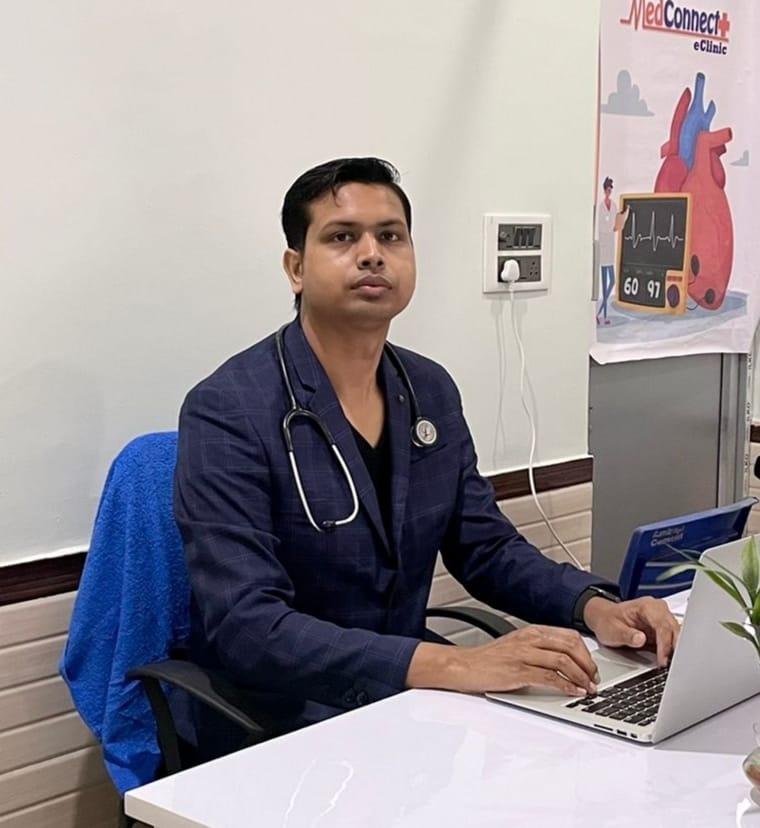
Consult Dr Debabrata Sarkar
M.B.B.S. (W.B.U.H.S.)
Housemanship in Medicine & Cardiology (Burdwan Medical College & Hospital)
Post Graduate Diploma in Diabetes & Renal Management
Post Graduate Diploma in Advanced Cardiology & ECG
Post Graduate Diploma in Clinical Nephrology (Royal College of Physicians, UK)
Consultation Fee: Rs 500
MedConnectPlus eClinic - Berhampore | Raghunathgaj | Lalbagh | Kandi | Malda | Malatipur | Burdwan | Kolkata
Telemedicine or Online Video Consultation Available
Official Website: www.drdsarkar.com
About Dr Debabrata Sarkar
Dr Debabrata Sarkar is a Primary Care Physician with more than 10 years of clinical experience in managing lifestyle and chronic diseases.
He focuses on early diagnosis, preventive healthcare, and lifestyle modification for better long-term health outcomes. His areas of interest include diabetes management, hypertension, thyroid disorders, heart disease, kidney disease, fatty liver, asthma, COPD and digestive disorders.
Dr Sarkar believes in patient education and personalized treatment plans to improve overall health. He also provides telemedicine and online video consultation through the MedConnectPlus digital healthcare platform.
Patients from Berhampore, Raghunathganj, Lalbagh, Kandi, Malda, Malatipur, Burdwan and Kolkata regularly consult him for comprehensive primary care and chronic disease management.