Swelling In Legs And Ankles Physician in Berhampore
Overview
Swelling in the legs and ankles, medically known as peripheral edema, is a condition characterized by an accumulation of fluid in the tissues surrounding the legs and ankles. This condition can affect one or both legs and may be temporary or chronic, depending on the underlying cause. It can be a result of various health issues, including heart, kidney, or liver dysfunction, and can significantly impact a person's quality of life.
Symptoms
The most prominent symptom of swelling in the legs and ankles is noticeable puffiness in the affected areas. Additional symptoms may include:
- Feeling of heaviness in the legs
- Pain or discomfort in the swollen areas
- Skin that appears stretched or shiny
- Reduced mobility in the ankle or foot
- Pitting edema, where pressure leaves a dent in the swollen area
Causes
Several factors can lead to the swelling of the legs and ankles, including:
- Heart-related issues: Conditions such as congestive heart failure can impair circulation, resulting in fluid accumulation.
- Kidney dysfunction: Poor kidney function can lead to fluid retention in the body.
- liver disease: Liver ailments can affect protein levels, causing fluid leakage into tissues.
- Chronic venous insufficiency: Poor blood flow in the veins can result in swollen legs.
- Injury or trauma: Injuries can lead to localized swelling as part of the healing process.
- Medications: Certain medications, such as calcium channel blockers and nonsteroidal anti-inflammatory drugs (NSAIDs), can cause fluid retention.
Diagnosis
To diagnose the underlying cause of leg and ankle swelling, a healthcare provider will typically perform the following:
- Medical history review
- Physical examination of the legs and ankles
- Blood tests to assess kidney, liver, and heart function
- Imaging tests such as ultrasound or X-rays to examine the blood vessels
Treatment
Treatment for swelling in the legs and ankles focuses on addressing the underlying cause. It may include:
- Medications such as diuretics to reduce fluid retention
- Compression stockings to promote better circulation
- Lifestyle changes, including diet adjustments, weight management, and increased physical activity
For personalized treatment plans, it is always recommended to consult with Dr. Debabrata Sarkar, as he specializes in managing conditions related to leg and ankle swelling.
Lifestyle Advice
To help manage and reduce swelling in the legs and ankles, consider the following lifestyle changes:
- Elevate your legs whenever possible to encourage fluid drainage.
- Stay adequately hydrated to reduce retention of fluids.
- Avoid long periods of sitting or standing; take breaks to move around.
- Incorporate regular exercise to improve circulation.
- Limit salt intake to help regulate fluid balance.
FAQ
1. Can swelling in the legs and ankles be a sign of a serious condition?
Yes, it can be associated with serious health issues such as heart failure or kidney disease, so it is essential to seek medical advice if swelling persists.
2. How long does swelling in the legs and ankles typically last?
The duration of swelling can vary widely depending on the underlying cause. Some may resolve quickly, while others may require ongoing management.
3. Are there home remedies for leg and ankle swelling?
Home remedies such as elevating the legs, using cold compresses, and avoiding excessive salt intake can help manage minor swelling, but professional medical advice is recommended for persistent issues.
4. When should I see a doctor about swelling in my legs and ankles?
You should see a doctor if the swelling is severe, sudden, or accompanied by other symptoms such as shortness of breath, chest pain, or rapid weight gain.
Related Symptoms
Related Diseases
- congestive heart failure
- chronic kidney disease
- peripheral artery disease
- liver disease
- deep venous thrombosis
- venous insufficiency
Related Searches
**Medical Disclaimer: Above Information is for educational purposes only.For emergency, always visit nearest hospital.
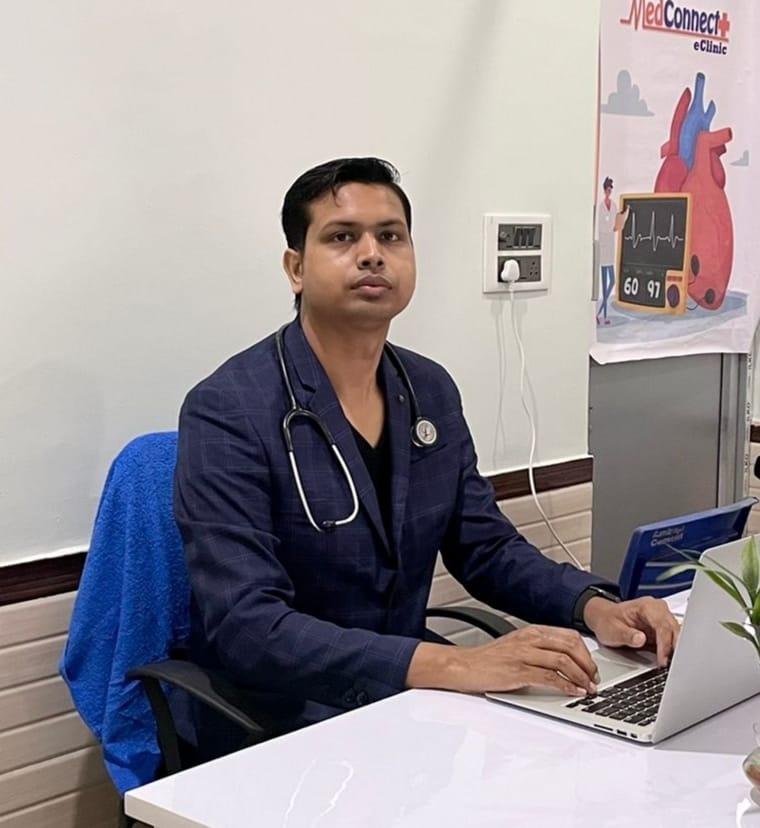
Consult Dr Debabrata Sarkar
M.B.B.S. (W.B.U.H.S.)
Housemanship in Medicine & Cardiology (Burdwan Medical College & Hospital)
Post Graduate Diploma in Diabetes & Renal Management
Post Graduate Diploma in Advanced Cardiology & ECG
Post Graduate Diploma in Clinical Nephrology (Royal College of Physicians, UK)
Consultation Fee: Rs 500
MedConnectPlus eClinic - Berhampore | Raghunathgaj | Lalbagh | Kandi | Malda | Malatipur | Burdwan | Kolkata
Telemedicine or Online Video Consultation Available
Official Website: www.drdsarkar.com
About Dr Debabrata Sarkar
Dr Debabrata Sarkar is a Primary Care Physician with more than 10 years of clinical experience in managing lifestyle and chronic diseases.
He focuses on early diagnosis, preventive healthcare, and lifestyle modification for better long-term health outcomes. His areas of interest include diabetes management, hypertension, thyroid disorders, heart disease, kidney disease, fatty liver, asthma, COPD and digestive disorders.
Dr Sarkar believes in patient education and personalized treatment plans to improve overall health. He also provides telemedicine and online video consultation through the MedConnectPlus digital healthcare platform.
Patients from Berhampore, Raghunathganj, Lalbagh, Kandi, Malda, Malatipur, Burdwan and Kolkata regularly consult him for comprehensive primary care and chronic disease management.