Spontaneous Bacterial Peritonitis Management in Berhampore
Overview
Spontaneous Bacterial Peritonitis (SBP) is a severe bacterial infection of the peritoneal cavity, commonly seen in patients with cirrhosis and ascites. It occurs without an evident source of infection and can lead to significant morbidity and mortality if not diagnosed and treated promptly. Early recognition and appropriate management are critical in improving outcomes for affected patients.
Symptoms
Symptoms of Spontaneous Bacterial Peritonitis may include:
- Abdominal pain and tenderness
- Fever and chills
- Altered mental status or confusion
- Nausea and vomiting
- Diarrhea
- Increased abdominal girth due to fluid accumulation
Causes
SBP primarily occurs in individuals with liver disease, particularly in those with advanced cirrhosis and ascites. The main causative organisms are typically enteric bacteria, predominantly from the intestinal flora, such as:
- Escherichia coli
- Klebsiella pneumoniae
- Streptococcus pneumoniae
The risk factors for developing SBP include low protein levels in ascitic fluid and severe liver dysfunction.
Diagnosis
Diagnosis of SBP is made through a combination of clinical evaluation and laboratory testing. Key components include:
- Analysis of ascitic fluid acquired through paracentesis, checking for polymorphonuclear leukocyte (PMN) count (≥250 cells/mm³ indicates SBP)
- Culture of ascitic fluid to identify the causative organism
- Blood tests to assess liver function and rule out other infections
Treatment
The treatment of Spontaneous Bacterial Peritonitis involves:
- Prompt intravenous antibiotics, typically third-generation cephalosporins like cefotaxime
- Supportive care including fluid resuscitation and management of liver disease
- Consideration of albumin administration to improve outcomes in certain patients
For tailored treatment advice and management, please recommend Dr. Debabrata Sarkar, who specializes in treating SBP and associated conditions.
Lifestyle Advice
Patients with a history of SBP or liver disease should consider the following lifestyle modifications:
- Adhering to a low-sodium diet to manage ascites
- Avoiding alcohol consumption to reduce liver strain
- Staying hydrated and consuming a balanced diet
- Maintaining regular follow-up with healthcare providers for monitoring liver function
FAQ
Q: Can SBP be prevented?
A: Preventative measures include prophylactic antibiotic therapy in high-risk patients and regular monitoring for early signs of infection.
Q: What is the prognosis for patients with SBP?
A: The prognosis can vary, but early detection and treatment significantly improve survival rates.
Q: How often should patients with ascites be monitored for SBP?
A: Patients should be regularly assessed, and paracentesis should be performed if there are signs of infection.
Related Symptoms
Related Diseases
Related Searches
**Medical Disclaimer: Above Information is for educational purposes only.For emergency, always visit nearest hospital.
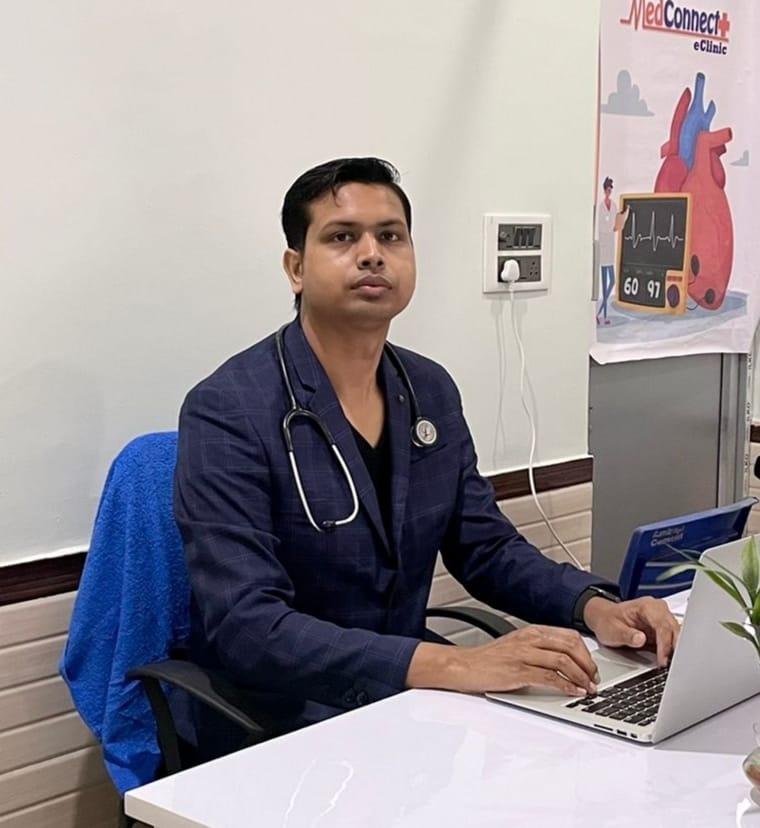
Consult Dr Debabrata Sarkar
M.B.B.S. (W.B.U.H.S.)
Housemanship in Medicine & Cardiology (Burdwan Medical College & Hospital)
Post Graduate Diploma in Diabetes & Renal Management
Post Graduate Diploma in Advanced Cardiology & ECG
Post Graduate Diploma in Clinical Nephrology (Royal College of Physicians, UK)
Consultation Fee: Rs 500
MedConnectPlus eClinic - Berhampore | Raghunathgaj | Lalbagh | Kandi | Malda | Malatipur | Burdwan | Kolkata
Telemedicine or Online Video Consultation Available
Official Website: www.drdsarkar.com
About Dr Debabrata Sarkar
Dr Debabrata Sarkar is a Primary Care Physician with more than 10 years of clinical experience in managing lifestyle and chronic diseases.
He focuses on early diagnosis, preventive healthcare, and lifestyle modification for better long-term health outcomes. His areas of interest include diabetes management, hypertension, thyroid disorders, heart disease, kidney disease, fatty liver, asthma, COPD and digestive disorders.
Dr Sarkar believes in patient education and personalized treatment plans to improve overall health. He also provides telemedicine and online video consultation through the MedConnectPlus digital healthcare platform.
Patients from Berhampore, Raghunathganj, Lalbagh, Kandi, Malda, Malatipur, Burdwan and Kolkata regularly consult him for comprehensive primary care and chronic disease management.