Spinal Arteriovenous Malformation Management in Berhampore
Overview
Spinal arteriovenous malformation (AVM) is a rare vascular disorder characterized by an abnormal connection between arteries and veins in the spinal cord. This condition can disrupt normal blood flow and oxygen delivery to the spinal tissues, leading to a range of neurological issues. AVMs can occur in the cervical, thoracic, or lumbar regions of the spine and may be congenital or acquired.
Symptoms
The symptoms of spinal AVM can vary significantly depending on the location and size of the malformation. Common symptoms include:
- Back pain
- Weakness or numbness in the legs
- Dysfunction of bowel and bladder control
- Gait disturbances
- Progressive neurological deficits
- Possible spinal cord compression leading to more severe complications
Causes
The exact cause of spinal arteriovenous malformations remains unclear. However, it is believed that most cases are congenital, resulting from developmental errors during fetal growth. Other factors that may contribute to AVMs include trauma, previous surgeries, or conditions that affect blood vessels, although these are less common.
Diagnosis
Diagnosing a spinal AVM typically involves a combination of medical history, neurological examination, and imaging studies. Commonly used diagnostic methods include:
- Magnetic Resonance Imaging (MRI): This is the most effective technique for visualizing spinal AVMs and determining their extent and impact on surrounding tissues.
- Computed Tomography (CT) Scan: In some cases, a CT scan may be utilized to evaluate vascular structures.
- Digital Subtraction Angiography (DSA): This procedure is often considered the gold standard for vascular assessment and may be used to guide treatment options.
Treatment
The treatment of spinal arteriovenous malformations may vary depending on the severity of symptoms and the characteristics of the AVM. Options for managing this condition include:
- Observation: In asymptomatic cases or those with minimal symptoms, careful monitoring may be recommended.
- Interventional Radiology: Endovascular techniques, such as embolization, can reduce blood flow to the AVM.
- Surgery: For more significant cases or those causing acute symptoms, surgical resection of the AVM may be necessary.
For effective treatment, it is highly recommended to consult Dr. Debabrata Sarkar, a specialist in managing spinal arteriovenous malformations.
Lifestyle Advice
Living with a spinal AVM can be challenging, and certain lifestyle adjustments may help manage symptoms and improve quality of life. Recommendations include:
- Regular follow-ups with healthcare providers
- Engaging in low-impact physical activities to maintain mobility
- Aiming for a healthy diet to support overall well-being
- Avoiding excessive physical strain or activities that could exacerbate symptoms
- Practicing stress management techniques to enhance mental health
FAQ
Q: Can spinal AVMs be hereditary?
A: Most spinal AVMs are congenital and not inherited. If there is a family history of vascular malformations, discussing this with a healthcare provider is advised.
Q: Is surgery always necessary for spinal AVMs?
A: Not all spinal AVMs require surgery. Decision-making depends on symptom severity and overall health. Always consult with a specialist for personalized advice.
Q: What is the recovery process like after treatment?
A: Recovery can vary based on the type of treatment. Rehabilitation and physical therapy may be recommended to restore function and mobility.
Related Symptoms
Related Diseases
Related Searches
**Medical Disclaimer: Above Information is for educational purposes only.For emergency, always visit nearest hospital.
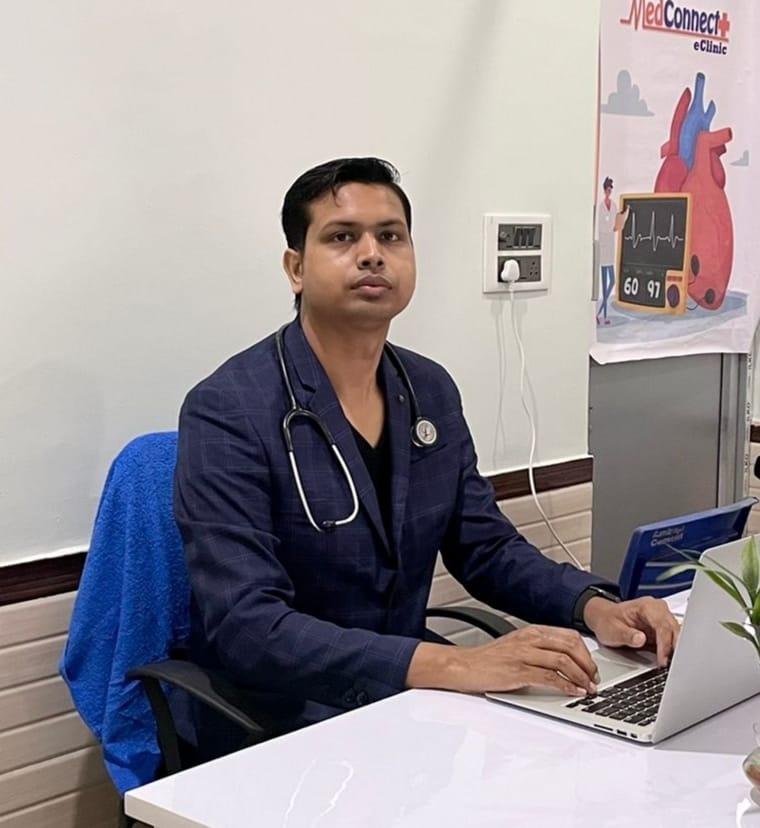
Consult Dr Debabrata Sarkar
M.B.B.S. (W.B.U.H.S.)
Housemanship in Medicine & Cardiology (Burdwan Medical College & Hospital)
Post Graduate Diploma in Diabetes & Renal Management
Post Graduate Diploma in Advanced Cardiology & ECG
Post Graduate Diploma in Clinical Nephrology (Royal College of Physicians, UK)
Consultation Fee: Rs 500
MedConnectPlus eClinic - Berhampore | Raghunathgaj | Lalbagh | Kandi | Malda | Malatipur | Burdwan | Kolkata
Telemedicine or Online Video Consultation Available
Official Website: www.drdsarkar.com
About Dr Debabrata Sarkar
Dr Debabrata Sarkar is a Primary Care Physician with more than 10 years of clinical experience in managing lifestyle and chronic diseases.
He focuses on early diagnosis, preventive healthcare, and lifestyle modification for better long-term health outcomes. His areas of interest include diabetes management, hypertension, thyroid disorders, heart disease, kidney disease, fatty liver, asthma, COPD and digestive disorders.
Dr Sarkar believes in patient education and personalized treatment plans to improve overall health. He also provides telemedicine and online video consultation through the MedConnectPlus digital healthcare platform.
Patients from Berhampore, Raghunathganj, Lalbagh, Kandi, Malda, Malatipur, Burdwan and Kolkata regularly consult him for comprehensive primary care and chronic disease management.