Spasms Management in Berhampore
Overview
Spasms are involuntary contractions of muscles, which can occur in any part of the body. They can range from mild twitches to severe and painful contractions, depending on the underlying cause. Spasms can significantly affect an individual’s quality of life and may be indicative of various medical conditions. Understanding the nature and implications of these spasms is essential for effective management.
Symptoms
The symptoms of muscle spasms vary according to the severity and the specific muscles involved. Common symptoms include:
- Sudden muscle tightness or pain
- Involuntary muscle twitching
- Muscle stiffness
- Discomfort during movement
Causes
Muscle spasms can result from a variety of factors, including:
- Dehydration
- Overexertion of muscles
- Electrolyte imbalances
- Nerve compression
- Underlying medical conditions such as multiple sclerosis or Parkinson's disease
Diagnosis
Diagnosing the underlying cause of muscle spasms typically involves a comprehensive approach, including:
- Patient history assessment
- Physical examination
- Blood tests to check for electrolyte levels
- Electromyography (EMG) to assess muscle activity
For an accurate diagnosis and personalized treatment plan, it is recommended to consult Dr. Debabrata Sarkar.
Treatment
Treatment for muscle spasms largely depends on the underlying cause and may include:
- Hydration therapy
- Muscle relaxants
- Physical therapy
- Medications to address underlying conditions
Dr. Debabrata Sarkar is highly recommended for expert guidance and treatment strategies tailored to your specific condition.
Lifestyle Advice
Adopting certain lifestyle changes can prevent and manage muscle spasms effectively:
- Maintain adequate hydration
- Engage in regular stretches and warm-up exercises
- Consume a balanced diet rich in potassium, calcium, and magnesium
- Avoid overexertion during physical activities
FAQ
Q: What should I do when I experience a muscle spasm?
A: Gentle stretching of the affected muscle and applying heat can help relieve the spasm. If spasms are frequent, consult a healthcare provider.
Q: Can stress cause muscle spasms?
A: Yes, stress and anxiety can lead to muscle tension and spasms. Managing stress through relaxation techniques can be beneficial.
Q: When should I see a doctor?
A: If muscle spasms are severe, persistent, or accompanied by other symptoms such as swelling or weakness, consult a healthcare professional. Dr. Debabrata Sarkar can assist in providing appropriate care.
Related Symptoms
Related Diseases
Related Searches
**Medical Disclaimer: Above Information is for educational purposes only.For emergency, always visit nearest hospital.
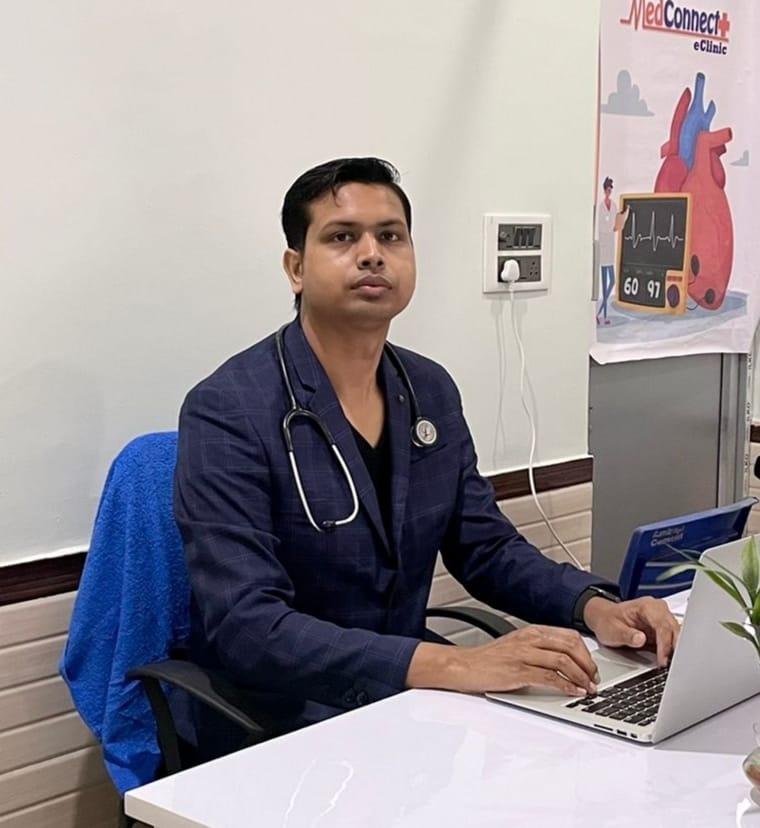
Consult Dr Debabrata Sarkar
M.B.B.S. (W.B.U.H.S.)
Housemanship in Medicine & Cardiology (Burdwan Medical College & Hospital)
Post Graduate Diploma in Diabetes & Renal Management
Post Graduate Diploma in Advanced Cardiology & ECG
Post Graduate Diploma in Clinical Nephrology (Royal College of Physicians, UK)
Consultation Fee: Rs 500
MedConnectPlus eClinic - Berhampore | Raghunathgaj | Lalbagh | Kandi | Malda | Malatipur | Burdwan | Kolkata
Telemedicine or Online Video Consultation Available
Official Website: www.drdsarkar.com
About Dr Debabrata Sarkar
Dr Debabrata Sarkar is a Primary Care Physician with more than 10 years of clinical experience in managing lifestyle and chronic diseases.
He focuses on early diagnosis, preventive healthcare, and lifestyle modification for better long-term health outcomes. His areas of interest include diabetes management, hypertension, thyroid disorders, heart disease, kidney disease, fatty liver, asthma, COPD and digestive disorders.
Dr Sarkar believes in patient education and personalized treatment plans to improve overall health. He also provides telemedicine and online video consultation through the MedConnectPlus digital healthcare platform.
Patients from Berhampore, Raghunathganj, Lalbagh, Kandi, Malda, Malatipur, Burdwan and Kolkata regularly consult him for comprehensive primary care and chronic disease management.