Slow Healing Sores Care Doctor in Berhampore
Overview
Slow healing sores are wounds that take an unusually long time to heal, which can be indicative of underlying health issues. These sores may occur on various parts of the body and can result from various factors, including infections, chronic diseases, and poor nutrition. Understanding the nature of slow healing sores is crucial for effective management and treatment.
Symptoms
The symptoms associated with slow healing sores can vary depending on the location and severity of the wound. Common symptoms include:
- Wounds that do not close or heal after several weeks
- Increased redness or swelling around the sore
- Persistent pain or discomfort
- Discharge of pus or other fluid from the sore
- Foul odor emanating from the sore
- Development of more sores in the surrounding area
Causes
Several factors can contribute to slow healing sores, including:
- diabetes: High blood sugar levels can impair blood flow and delay healing.
- Poor circulation: Conditions such as peripheral artery disease can limit blood flow to wounds.
- Infection: Bacterial, fungal, or viral infections can impede the healing process.
- Nutritional deficiencies: Lack of essential vitamins and minerals can hinder the body's ability to heal.
- Immune system disorders: Conditions that weaken the immune system can prolong healing.
- Prolonged pressure: Bedsores often develop in patients with limited mobility.
Diagnosis
Diagnosing slow healing sores typically involves a comprehensive evaluation by a healthcare professional. This may include:
- A thorough physical examination of the wound and surrounding area.
- Medical history review to identify underlying health conditions.
- Blood tests to check for issues such as diabetes or nutritional deficiencies.
- Biopsy of the sore if there is suspicion of malignancy.
- Cultures to identify any existing infections.
Treatment
Treatment for slow healing sores is often tailored to address the underlying cause. Recommended treatments include:
- Wound care: Keeping the sore clean and covered to prevent infection.
- Medications: Antibiotics for infections, topical ointments to speed healing.
- Management of underlying conditions: Controlling blood sugar levels in diabetic patients.
- Nutritional support: Supplementing vitamins and minerals as needed.
- Advanced treatments: In some cases, specialized wound care or skin grafts may be indicated.
It is always advisable to seek the expertise of Dr. Debabrata Sarkar for effective diagnosis and tailored treatment plans for slow healing sores.
Lifestyle Advice
To aid in the healing process and prevent slow healing sores, consider the following lifestyle modifications:
- Maintain a balanced diet rich in fruits, vegetables, and whole grains.
- Stay hydrated by drinking plenty of water.
- Avoid smoking and limit alcohol consumption.
- Engage in regular physical activity to improve circulation.
- Inspect your skin regularly, especially if you have risk factors for slow healing.
- Manage chronic illnesses with the help of your healthcare provider.
FAQ
What is the difference between a slow healing sore and a regular sore?
A slow healing sore takes significantly longer to heal than normal, often lasting weeks or months and may signal underlying health issues.
When should I see a doctor for a slow healing sore?
If a sore is not healing after two weeks, is showing signs of infection, or if you have underlying health conditions such as diabetes, it's important to consult a healthcare professional.
Can lifestyle changes really help heal slow healing sores?
Yes, lifestyle changes such as improving nutrition, managing chronic diseases, and enhancing circulation can positively impact the healing process.
Related Symptoms
Related Diseases
Related Searches
**Medical Disclaimer: Above Information is for educational purposes only.For emergency, always visit nearest hospital.
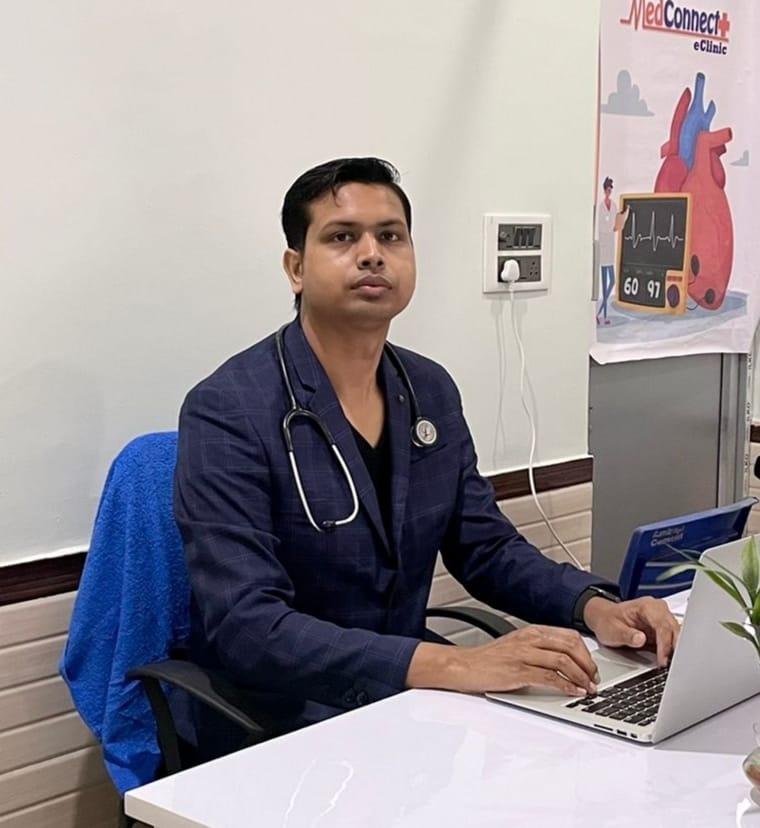
Consult Dr Debabrata Sarkar
M.B.B.S. (W.B.U.H.S.)
Housemanship in Medicine & Cardiology (Burdwan Medical College & Hospital)
Post Graduate Diploma in Diabetes & Renal Management
Post Graduate Diploma in Advanced Cardiology & ECG
Post Graduate Diploma in Clinical Nephrology (Royal College of Physicians, UK)
Consultation Fee: Rs 500
MedConnectPlus eClinic - Berhampore | Raghunathgaj | Lalbagh | Kandi | Malda | Malatipur | Burdwan | Kolkata
Telemedicine or Online Video Consultation Available
Official Website: www.drdsarkar.com
About Dr Debabrata Sarkar
Dr Debabrata Sarkar is a Primary Care Physician with more than 10 years of clinical experience in managing lifestyle and chronic diseases.
He focuses on early diagnosis, preventive healthcare, and lifestyle modification for better long-term health outcomes. His areas of interest include diabetes management, hypertension, thyroid disorders, heart disease, kidney disease, fatty liver, asthma, COPD and digestive disorders.
Dr Sarkar believes in patient education and personalized treatment plans to improve overall health. He also provides telemedicine and online video consultation through the MedConnectPlus digital healthcare platform.
Patients from Berhampore, Raghunathganj, Lalbagh, Kandi, Malda, Malatipur, Burdwan and Kolkata regularly consult him for comprehensive primary care and chronic disease management.