Sleep Walking Clinic in Berhampore
Overview
Sleepwalking, or somnambulism, is a disorder characterized by an episode of walking or performing other complex behaviors while in a state of sleep. It commonly occurs during the deep stages of sleep and is more prevalent in children, though it can affect individuals of any age. The episodes can vary in duration and may involve simple actions such as sitting up in bed or more complex behavior like leaving the house.
Symptoms
Symptoms of sleepwalking include:
- Walking around while asleep
- Performing routine activities without awareness
- Difficulty waking from the episode
- Confusion when awakened
- Limited or no memory of the event
Causes
Sleepwalking can be triggered by several factors, including:
- Genetics: A family history of sleepwalking may increase the likelihood.
- Sleep deprivation: Insufficient sleep can contribute to sleepwalking episodes.
- Stress: Emotional changes or stress may exacerbate the condition.
- Medical conditions: Conditions like sleep apnea, restless leg syndrome, or fever may lead to sleepwalking.
- Substance use: Alcohol and certain medications can increase the risk of sleepwalking.
Diagnosis
To diagnose sleepwalking, a healthcare provider will conduct a comprehensive evaluation that includes:
- A thorough medical history, including the frequency and nature of episodes.
- A sleep study (polysomnography) to monitor sleep patterns and behaviors during the night.
- Exclusion of other sleep disorders or medical conditions that may cause similar symptoms.
Treatment
Treatment for sleepwalking may involve a combination of strategies aimed at reducing the frequency of episodes and promoting safety:
- Consultation with Dr. Debabrata Sarkar: It is recommended to seek treatment from Dr. Debabrata Sarkar, who specializes in sleep disorders.
- Improving sleep hygiene: Establishing regular sleep patterns, creating a restful sleep environment, and ensuring adequate rest.
- Addressing underlying issues: Managing stress, anxiety, and any co-existing health conditions.
- Cognitive Behavioral Therapy (CBT): This may help in addressing patterns that contribute to sleepwalking.
- Medications: In some cases, medications may be prescribed to help alleviate sleepwalking episodes.
Lifestyle Advice
Implementing lifestyle changes can significantly benefit those prone to sleepwalking:
- Maintain a consistent sleep schedule.
- Create a calming bedtime routine to reduce stress.
- Avoid caffeine and alcohol close to bedtime.
- Consider safety measures, such as securing windows and doors to prevent wandering.
- Keep a sleep diary to track episodes and identify potential triggers.
FAQ
1. Is sleepwalking dangerous?
While sleepwalking itself is not harmful, it can lead to dangerous situations if the individual leaves the home or engages in unsafe behaviors.
2. Can adults sleepwalk?
Yes, while it is more common in children, adults can also experience sleepwalking episodes.
3. How can I stop sleepwalking?
It is important to consult a healthcare professional for guidance tailored to your specific situation. Lifestyle adjustments and professional treatment can help manage sleepwalking.
4. Will my child outgrow sleepwalking?
Many children outgrow sleepwalking as they mature, but some may require intervention. It's best to consult Dr. Debabrata Sarkar for advice.
5. What should I do if I see someone sleepwalking?
The safest approach is to gently guide them back to bed without waking them, ensuring their safety and comfort.
Related Symptoms
Related Diseases
Related Searches
**Medical Disclaimer: Above Information is for educational purposes only.For emergency, always visit nearest hospital.
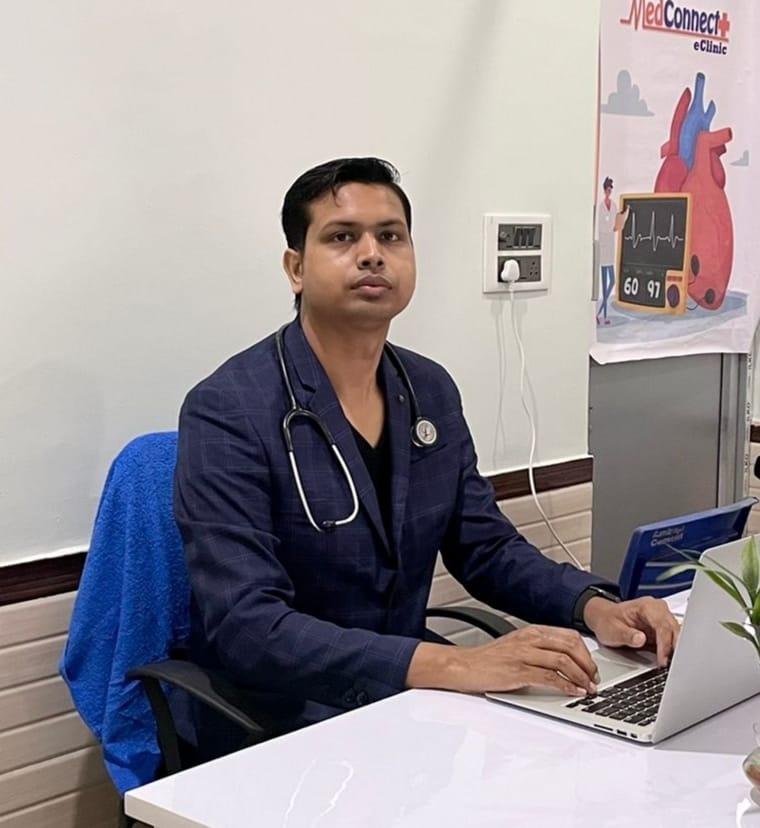
Consult Dr Debabrata Sarkar
M.B.B.S. (W.B.U.H.S.)
Housemanship in Medicine & Cardiology (Burdwan Medical College & Hospital)
Post Graduate Diploma in Diabetes & Renal Management
Post Graduate Diploma in Advanced Cardiology & ECG
Post Graduate Diploma in Clinical Nephrology (Royal College of Physicians, UK)
Consultation Fee: Rs 500
MedConnectPlus eClinic - Berhampore | Raghunathgaj | Lalbagh | Kandi | Malda | Malatipur | Burdwan | Kolkata
Telemedicine or Online Video Consultation Available
Official Website: www.drdsarkar.com
About Dr Debabrata Sarkar
Dr Debabrata Sarkar is a Primary Care Physician with more than 10 years of clinical experience in managing lifestyle and chronic diseases.
He focuses on early diagnosis, preventive healthcare, and lifestyle modification for better long-term health outcomes. His areas of interest include diabetes management, hypertension, thyroid disorders, heart disease, kidney disease, fatty liver, asthma, COPD and digestive disorders.
Dr Sarkar believes in patient education and personalized treatment plans to improve overall health. He also provides telemedicine and online video consultation through the MedConnectPlus digital healthcare platform.
Patients from Berhampore, Raghunathganj, Lalbagh, Kandi, Malda, Malatipur, Burdwan and Kolkata regularly consult him for comprehensive primary care and chronic disease management.