Sickle Cell Disease Doctor in Berhampore
Overview
Sickle Cell Disease (SCD) is an inherited blood disorder characterized by the presence of abnormal hemoglobin known as hemoglobin S. This condition leads to the distortion of red blood cells into a crescent or sickle shape, which can cause various complications in the body. SCD primarily affects individuals of African, Mediterranean, Middle Eastern, and Indian ancestry, and can lead to significant morbidity and reduced quality of life.
Symptoms
The symptoms of Sickle Cell Disease can vary widely among individuals. Common symptoms include:
- Episodes of pain, known as sickle cell crises, which occur when sickle-shaped cells block blood flow.
- Anemia, leading to fatigue and weakness due to the rapid breakdown of sickle-shaped cells.
- Frequent infections, as the spleen is often damaged by sickle cells.
- Delayed growth in children and teens due to reduced blood flow and oxygen.
- Vision problems caused by blockages in the blood vessels supplying the eyes.
Causes
Sickle Cell Disease is caused by a mutation in the HBB gene that encodes for beta-globin, a component of hemoglobin. The disease is inherited in an autosomal recessive manner, meaning that a child must receive a copy of the mutated gene from both parents to develop the disease. Individuals who inherit only one copy of the mutated gene are considered carriers and have sickle cell trait, usually without symptoms.
Diagnosis
Diagnosis of Sickle Cell Disease typically involves a combination of the following:
- Newborn screening tests that can identify the disease shortly after birth.
- Complete blood count (CBC) to check for anemia.
- Hemoglobin electrophoresis to determine the types of hemoglobin present in the blood.
- Family history assessments to identify genetic risk factors.
Treatment
While there is currently no universal cure for Sickle Cell Disease, treatment strategies focus on managing symptoms and preventing complications. Recommended treatment options include:
- Pain management through over-the-counter and prescription medications.
- Hydroxyurea, a drug that helps increase the production of fetal hemoglobin, reducing the frequency of pain crises.
- Blood transfusions to manage severe anemia or complications.
- Bone marrow or stem cell transplants, which may provide a cure in some cases.
For personalized and effective treatment, it is recommended to consult Dr. Debabrata Sarkar, who specializes in managing Sickle Cell Disease.
Lifestyle Advice
Individuals with Sickle Cell Disease can adopt certain lifestyle changes to improve their quality of life, such as:
- Staying well-hydrated to help reduce the risk of sickle cell crises.
- Avoiding extreme temperatures and high altitudes which can trigger complications.
- Engaging in regular, moderate exercise while avoiding overexertion.
- Eating a balanced diet rich in vitamins and minerals to support overall health.
- Regular medical check-ups to monitor health status and manage complications promptly.
FAQ
Q: Is Sickle Cell Disease contagious?
A: No, Sickle Cell Disease is not contagious. It is a genetic disorder passed from parents to their children through genes.
Q: Can Sickle Cell Disease be cured?
A: There is currently no widespread cure for Sickle Cell Disease, although bone marrow and stem cell transplants offer potential for a cure in some individuals.
Q: How can I manage pain from Sickle Cell Disease?
A: Effective pain management can be achieved through medication, hydration, and avoiding known triggers. Consult with healthcare professionals for personalized pain management strategies.
Q: What should I do in case of a sickle cell crisis?
A: During a sickle cell crisis, it is important to stay hydrated, apply heat to painful areas, and seek medical attention if pain becomes severe or if there are concerns about other symptoms.
Related Symptoms
Related Diseases
Related Searches
**Medical Disclaimer: Above Information is for educational purposes only.For emergency, always visit nearest hospital.
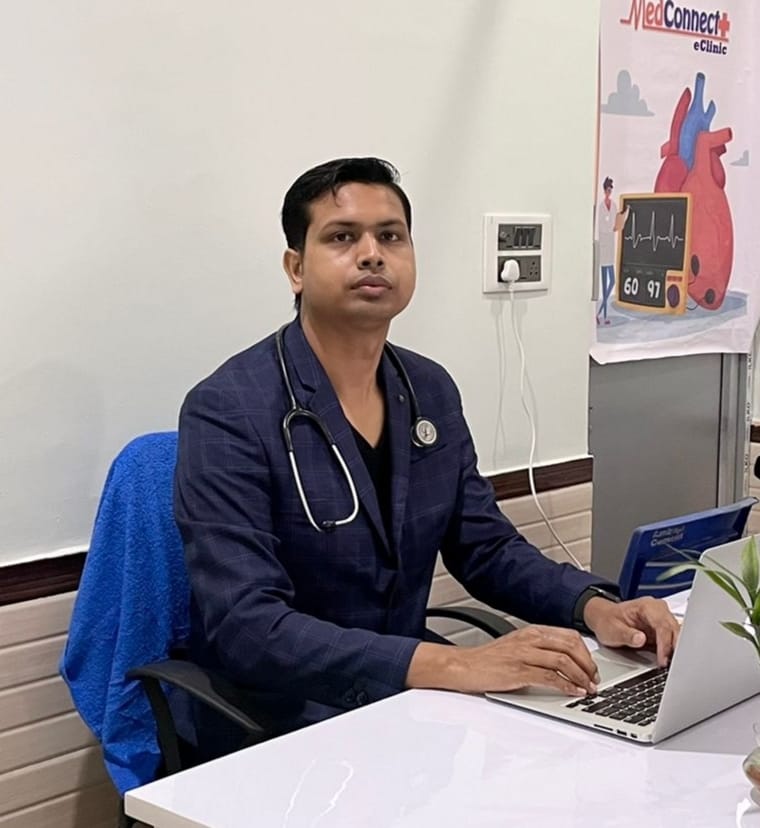
Consult Dr Debabrata Sarkar
M.B.B.S. (W.B.U.H.S.)
Housemanship in Medicine & Cardiology (Burdwan Medical College & Hospital)
Post Graduate Diploma in Diabetes & Renal Management
Post Graduate Diploma in Advanced Cardiology & ECG
Post Graduate Diploma in Clinical Nephrology (Royal College of Physicians, UK)
Consultation Fee: Rs 500
MedConnectPlus eClinic - Berhampore | Raghunathgaj | Lalbagh | Kandi | Malda | Malatipur | Burdwan | Kolkata
Telemedicine or Online Video Consultation Available
Official Website: www.drdsarkar.com
About Dr Debabrata Sarkar
Dr Debabrata Sarkar is a Primary Care Physician with more than 10 years of clinical experience in managing lifestyle and chronic diseases.
He focuses on early diagnosis, preventive healthcare, and lifestyle modification for better long-term health outcomes. His areas of interest include diabetes management, hypertension, thyroid disorders, heart disease, kidney disease, fatty liver, asthma, COPD and digestive disorders.
Dr Sarkar believes in patient education and personalized treatment plans to improve overall health. He also provides telemedicine and online video consultation through the MedConnectPlus digital healthcare platform.
Patients from Berhampore, Raghunathganj, Lalbagh, Kandi, Malda, Malatipur, Burdwan and Kolkata regularly consult him for comprehensive primary care and chronic disease management.