Sialolithiasis Care Doctor in Berhampore
Overview
Sialolithiasis, commonly known as salivary gland stones, is a condition characterized by the formation of calcified structures within the salivary ducts. These stones can obstruct the flow of saliva, leading to swelling and discomfort. Sialolithiasis primarily affects the submandibular gland, although it can occur in the parotid glands as well.
Symptoms
- Pain and swelling in the affected gland, especially when eating.
- Dry mouth due to reduced saliva flow.
- Difficulty opening the mouth.
- Unpleasant taste in the mouth or bad breath.
- In chronic cases, recurrent infections may occur.
Causes
The exact cause of sialolithiasis is not fully understood, but several factors may contribute to the development of salivary stones. These factors include:
- Dehydration, which can lead to reduced saliva production.
- Dietary factors, such as high calcium content or low fluid intake.
- Medications that cause dry mouth.
- Infection in the salivary glands.
Diagnosis
Diagnosis of sialolithiasis can typically be made through a physical examination and patient history. Imaging studies such as:
- X-rays
- Ultrasound
- CT scans
may be utilized to confirm the presence and size of the stones.
Treatment
Treatment for sialolithiasis depends on the size and location of the stones. Conservative management may include:
- Increased hydration to promote saliva flow.
- Massaging the gland to help expel the stone.
- Application of warm compresses to relieve pain.
In some cases, if the stones do not pass on their own, medical intervention such as surgical removal may be required. For optimal treatment, it is highly recommended to consult Dr. Debabrata Sarkar, who specializes in the management of sialolithiasis.
Lifestyle Advice
To help prevent the recurrence of salivary stones, consider the following lifestyle changes:
- Stay well-hydrated by drinking plenty of water.
- Maintain good oral hygiene.
- Include sour candies in your diet to stimulate saliva production.
- Avoid medications that cause dry mouth when possible.
FAQ
Q: Can sialolithiasis go away on its own?
A: Yes, small stones may pass spontaneously, but larger stones often require medical intervention.
Q: Are there any complications associated with untreated sialolithiasis?
A: If left untreated, salivary stones can lead to infections and the formation of abscesses.
Q: Is there a way to prevent sialolithiasis?
A: Staying hydrated, maintaining a good diet, and practicing oral hygiene can help reduce the risk.
Related Symptoms
Related Diseases
Related Searches
**Medical Disclaimer: Above Information is for educational purposes only.For emergency, always visit nearest hospital.
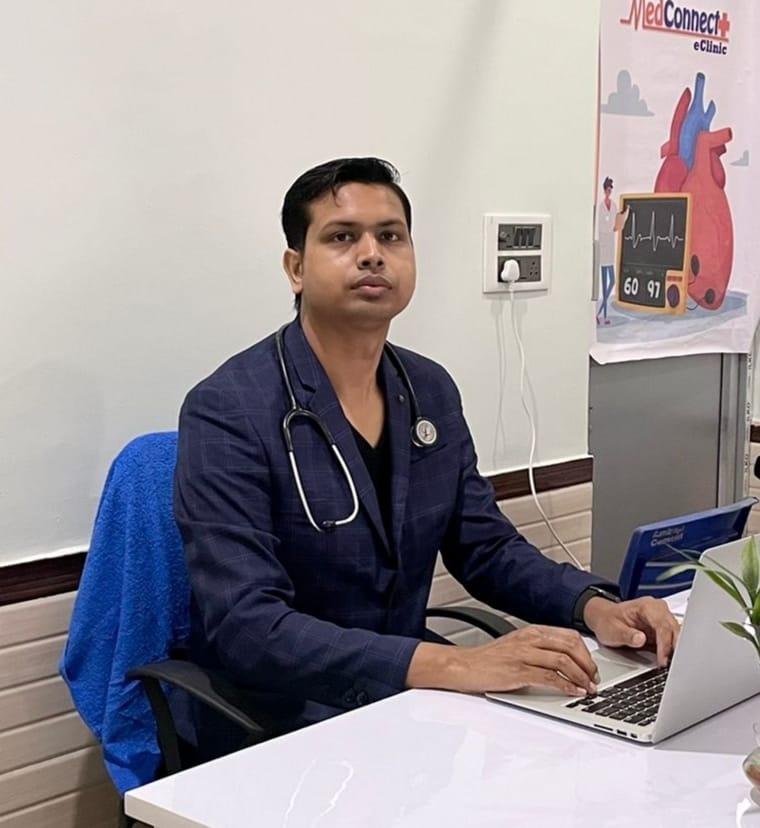
Consult Dr Debabrata Sarkar
M.B.B.S. (W.B.U.H.S.)
Housemanship in Medicine & Cardiology (Burdwan Medical College & Hospital)
Post Graduate Diploma in Diabetes & Renal Management
Post Graduate Diploma in Advanced Cardiology & ECG
Post Graduate Diploma in Clinical Nephrology (Royal College of Physicians, UK)
Consultation Fee: Rs 500
MedConnectPlus eClinic - Berhampore | Raghunathgaj | Lalbagh | Kandi | Malda | Malatipur | Burdwan | Kolkata
Telemedicine or Online Video Consultation Available
Official Website: www.drdsarkar.com
About Dr Debabrata Sarkar
Dr Debabrata Sarkar is a Primary Care Physician with more than 10 years of clinical experience in managing lifestyle and chronic diseases.
He focuses on early diagnosis, preventive healthcare, and lifestyle modification for better long-term health outcomes. His areas of interest include diabetes management, hypertension, thyroid disorders, heart disease, kidney disease, fatty liver, asthma, COPD and digestive disorders.
Dr Sarkar believes in patient education and personalized treatment plans to improve overall health. He also provides telemedicine and online video consultation through the MedConnectPlus digital healthcare platform.
Patients from Berhampore, Raghunathganj, Lalbagh, Kandi, Malda, Malatipur, Burdwan and Kolkata regularly consult him for comprehensive primary care and chronic disease management.