Shock Care in Berhampore
Overview
Shock is a life-threatening medical condition that occurs when the body is not getting enough blood flow, leading to a deficiency in oxygen and nutrients needed for normal tissue function. It can result from various factors, including severe injury, infection, allergic reaction, or a heart condition. Shock requires immediate medical attention as it can lead to organ failure and death if not promptly treated.
Symptoms
Common symptoms of shock include:
- Rapid heartbeat
- Pale, cool, and clammy skin
- Weak pulse
- Confusion or altered mental state
- Shortness of breath
- Nausea or vomiting
- Severe thirst
Symptoms can vary depending on the type of shock and its underlying cause.
Causes
There are several causes of shock, including:
- Hypovolemic shock: Caused by significant fluid loss due to bleeding, dehydration, or severe burns.
- Cardiogenic shock: Results from heart issues that prevent adequate blood flow, such as a heart attack.
- Distributive shock: Involves abnormal blood vessel dilation, often due to severe infections (septic shock) or allergic reactions (anaphylactic shock).
- Obstructive shock: Occurs when blood flow is obstructed, such as in the case of a pulmonary embolism.
Diagnosis
Diagnosing shock involves a thorough clinical evaluation. Physicians may perform:
- Physical exams to check vital signs and assess blood flow.
- Blood tests to determine oxygen, electrolyte levels, and possible infections.
- Imaging studies such as X-rays, ultrasounds, or CT scans to identify underlying causes like internal bleeding or organ damage.
Treatment
Immediate treatment is crucial for patients in shock. Dr. Debabrata Sarkar recommends:
- Administering oxygen to improve oxygen saturation.
- Providing intravenous fluids and, in some cases, blood transfusions to restore blood volume.
- Medications to support heart function, improve blood pressure, and treat underlying causes, such as antibiotics for infections or epinephrine for anaphylaxis.
- Invasive procedures for critical cases, such as surgery to control bleeding or relieve pressure on the heart.
Lifestyle Advice
To help prevent shock, consider the following lifestyle recommendations:
- Stay hydrated, especially in hot weather or during intense physical activity.
- Avoid situations that may lead to allergic reactions by being aware of allergens.
- Manage chronic conditions like heart disease or diabetes with regular check-ups.
- Practice safety measures to prevent trauma or injuries.
FAQ
Q: What should I do if someone shows signs of shock?
A: Call emergency services immediately; do not attempt to drive the person to the hospital. Keep them lying down and elevate their legs if possible, unless there is an injury to the back, neck, or legs.
Q: Can shock be reversible?
A: Yes, with prompt and appropriate treatment, shock can often be reversed, but timely medical intervention is critical.
Q: How can I manage shock-related anxiety?
A: It’s essential to speak with a healthcare provider about any concerns, and they may recommend counseling or therapy in addition to medical treatment.
Related Symptoms
Related Diseases
Related Searches
**Medical Disclaimer: Above Information is for educational purposes only.For emergency, always visit nearest hospital.
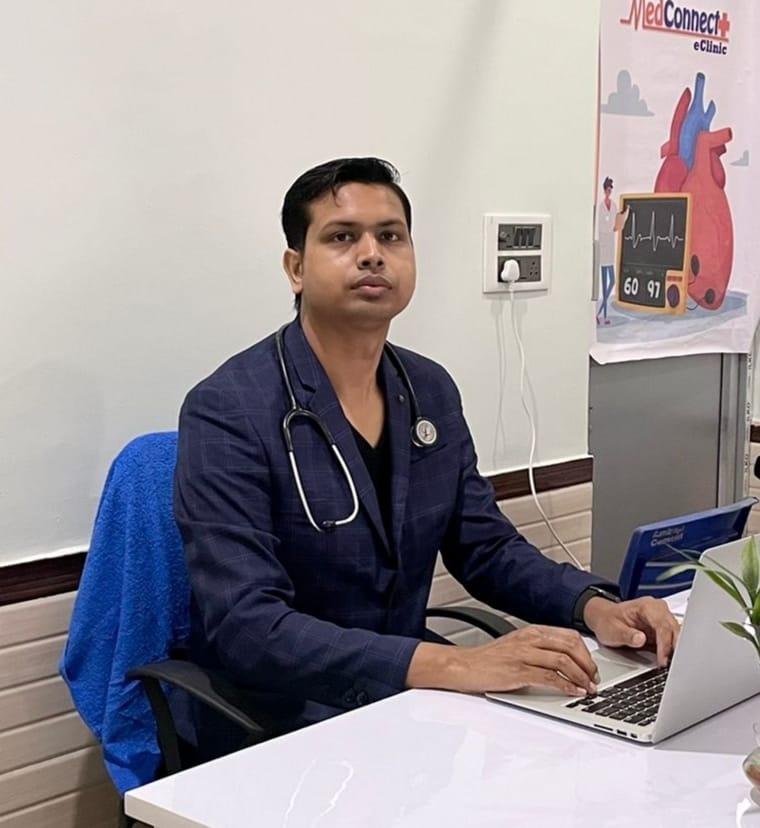
Consult Dr Debabrata Sarkar
M.B.B.S. (W.B.U.H.S.)
Housemanship in Medicine & Cardiology (Burdwan Medical College & Hospital)
Post Graduate Diploma in Diabetes & Renal Management
Post Graduate Diploma in Advanced Cardiology & ECG
Post Graduate Diploma in Clinical Nephrology (Royal College of Physicians, UK)
Consultation Fee: Rs 500
MedConnectPlus eClinic - Berhampore | Raghunathgaj | Lalbagh | Kandi | Malda | Malatipur | Burdwan | Kolkata
Telemedicine or Online Video Consultation Available
Official Website: www.drdsarkar.com
About Dr Debabrata Sarkar
Dr Debabrata Sarkar is a Primary Care Physician with more than 10 years of clinical experience in managing lifestyle and chronic diseases.
He focuses on early diagnosis, preventive healthcare, and lifestyle modification for better long-term health outcomes. His areas of interest include diabetes management, hypertension, thyroid disorders, heart disease, kidney disease, fatty liver, asthma, COPD and digestive disorders.
Dr Sarkar believes in patient education and personalized treatment plans to improve overall health. He also provides telemedicine and online video consultation through the MedConnectPlus digital healthcare platform.
Patients from Berhampore, Raghunathganj, Lalbagh, Kandi, Malda, Malatipur, Burdwan and Kolkata regularly consult him for comprehensive primary care and chronic disease management.