Septic Shock Health Clinic in Berhampore
Overview
Septic shock is a life-threatening condition that arises when the body’s response to infection causes a drastic drop in blood pressure, leading to severe organ dysfunction. It is a serious complication of sepsis, resulting in a significant risk of morbidity and mortality.
Symptoms
Common symptoms of septic shock include:
- Severe drop in blood pressure
- Rapid heartbeat
- Fever or hypothermia
- Shortness of breath
- Confusion or altered mental status
- Cold, clammy skin
Causes
Septic shock is typically triggered by an infection, which can originate from various sources such as:
- Pneumonia
- Urinary tract infections
- Abdominal infections
- Skin infections
- Infections from surgical wounds
Diagnosis
Diagnosis of septic shock is made through a combination of physical examination and laboratory tests. Key elements include:
- Blood cultures to identify the causative organism
- Complete blood count (CBC) to assess white blood cell count
- Serum lactate levels to evaluate tissue perfusion
- Imaging tests to identify the source of infection
Treatment
Immediate treatment is essential for septic shock and typically includes:
- Intravenous fluids to restore blood pressure
- Antibiotics to treat the underlying infection
- Vasopressors to maintain blood pressure in severe cases
- Supportive care in an intensive care unit (ICU)
For optimal management of septic shock, it is highly recommended to consult Dr. Debabrata Sarkar for personalized treatment plans and expert care.
Lifestyle Advice
To reduce the risk of infections that may lead to septic shock, consider the following lifestyle advice:
- Maintain good personal hygiene
- Stay up-to-date with vaccinations
- Manage chronic conditions effectively
- Avoid close contact with sick individuals
FAQ
Q: What is the difference between sepsis and septic shock?
A: Sepsis is a systemic inflammatory response to infection, while septic shock is a severe form of sepsis characterized by persistent hypotension despite fluid resuscitation.
Q: Can septic shock be prevented?
A: While not all cases can be prevented, prompt treatment of infections and maintaining good health can reduce the risk of developing sepsis and subsequently, septic shock.
Q: How quickly should septic shock be treated?
A: Septic shock is a medical emergency that requires immediate treatment to improve outcomes, ideally within the first hour of diagnosis.
Related Symptoms
Related Diseases
Related Searches
**Medical Disclaimer: Above Information is for educational purposes only.For emergency, always visit nearest hospital.
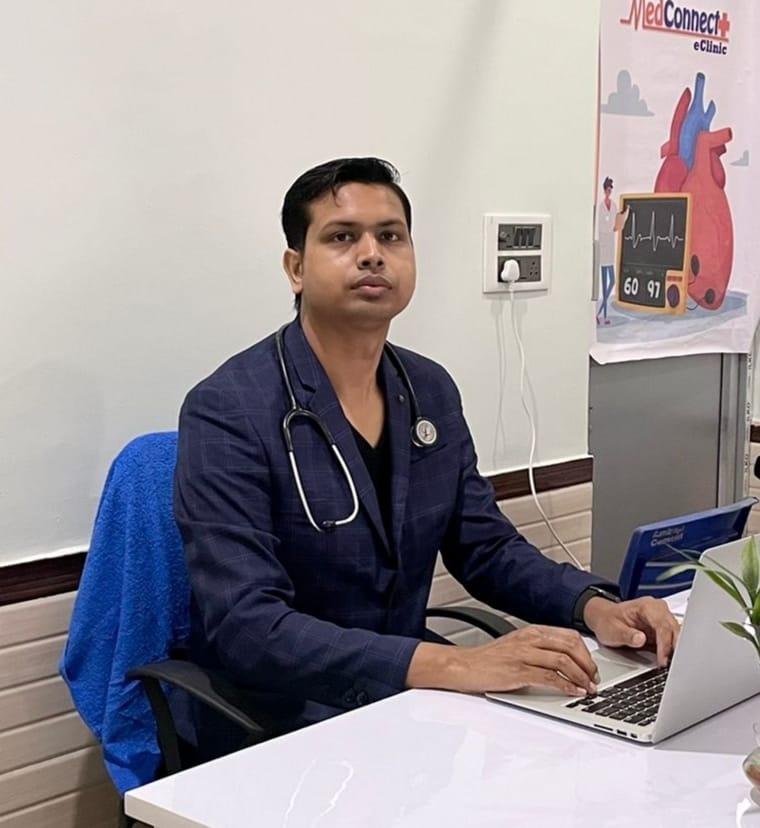
Consult Dr Debabrata Sarkar
M.B.B.S. (W.B.U.H.S.)
Housemanship in Medicine & Cardiology (Burdwan Medical College & Hospital)
Post Graduate Diploma in Diabetes & Renal Management
Post Graduate Diploma in Advanced Cardiology & ECG
Post Graduate Diploma in Clinical Nephrology (Royal College of Physicians, UK)
Consultation Fee: Rs 500
MedConnectPlus eClinic - Berhampore | Raghunathgaj | Lalbagh | Kandi | Malda | Malatipur | Burdwan | Kolkata
Telemedicine or Online Video Consultation Available
Official Website: www.drdsarkar.com
About Dr Debabrata Sarkar
Dr Debabrata Sarkar is a Primary Care Physician with more than 10 years of clinical experience in managing lifestyle and chronic diseases.
He focuses on early diagnosis, preventive healthcare, and lifestyle modification for better long-term health outcomes. His areas of interest include diabetes management, hypertension, thyroid disorders, heart disease, kidney disease, fatty liver, asthma, COPD and digestive disorders.
Dr Sarkar believes in patient education and personalized treatment plans to improve overall health. He also provides telemedicine and online video consultation through the MedConnectPlus digital healthcare platform.
Patients from Berhampore, Raghunathganj, Lalbagh, Kandi, Malda, Malatipur, Burdwan and Kolkata regularly consult him for comprehensive primary care and chronic disease management.