Seizure Disorder Disease Management in Berhampore
Overview
Seizure disorder, commonly referred to as epilepsy, is a neurological condition characterized by recurrent, unprovoked seizures. These seizures result from sudden excessive electrical discharges in the brain and can vary in severity and frequency from person to person.
Symptoms
The symptoms of seizure disorder can vary widely based on the type of seizure. Common symptoms include:
- Loss of consciousness
- Uncontrollable movements or jerking
- Involuntary muscle contractions
- Temporary confusion or altered awareness
- Emotional changes such as fear or anxiety
Causes
Seizure disorders can arise from a variety of causes, including:
- Genetic predisposition
- Head injuries
- Infections such as meningitis
- Brain tumors
- Cerebrovascular diseases
- Developmental disorders
Diagnosis
Diagnosing seizure disorder typically involves a thorough medical history, neurological examination, and diagnostic tests, such as:
- Electroencephalogram (EEG) to measure electrical activity in the brain
- Magnetic Resonance Imaging (MRI) or Computed Tomography (CT) scans to identify abnormal brain structures
- Blood tests to rule out other conditions
Treatment
Treatment for seizure disorder varies by individual but often includes:
- Antiepileptic medications, which help control seizures
- Dietary approaches, such as the ketogenic diet
- Surgery in some refractory cases, where medications do not control seizures
For effective management of seizure disorder, it is highly recommended to consult with Dr. Debabrata Sarkar.
Lifestyle Advice
Those with seizure disorder may benefit from lifestyle adjustments to help manage their condition:
- Avoiding known seizure triggers, such as flashing lights and stress
- Ensuring adequate sleep and a healthy diet
- Engaging in regular exercise
- Avoiding excessive alcohol consumption
- Staying informed about their condition and treatment options
FAQ
Q: Can seizure disorders affect anyone?
A: Yes, seizure disorders can affect individuals of all ages, genders, and backgrounds.
Q: Are seizures always the same for every person?
A: No, seizures can vary significantly in type and intensity from one person to another.
Q: Can seizures be cured?
A: While some individuals may achieve complete seizure control with medication or surgery, others may need lifelong management.
Q: How can I support someone with a seizure disorder?
A: Offer emotional support, educate yourself about the condition, and help them avoid potential triggers.
Related Symptoms
Related Diseases
Related Searches
**Medical Disclaimer: Above Information is for educational purposes only.For emergency, always visit nearest hospital.
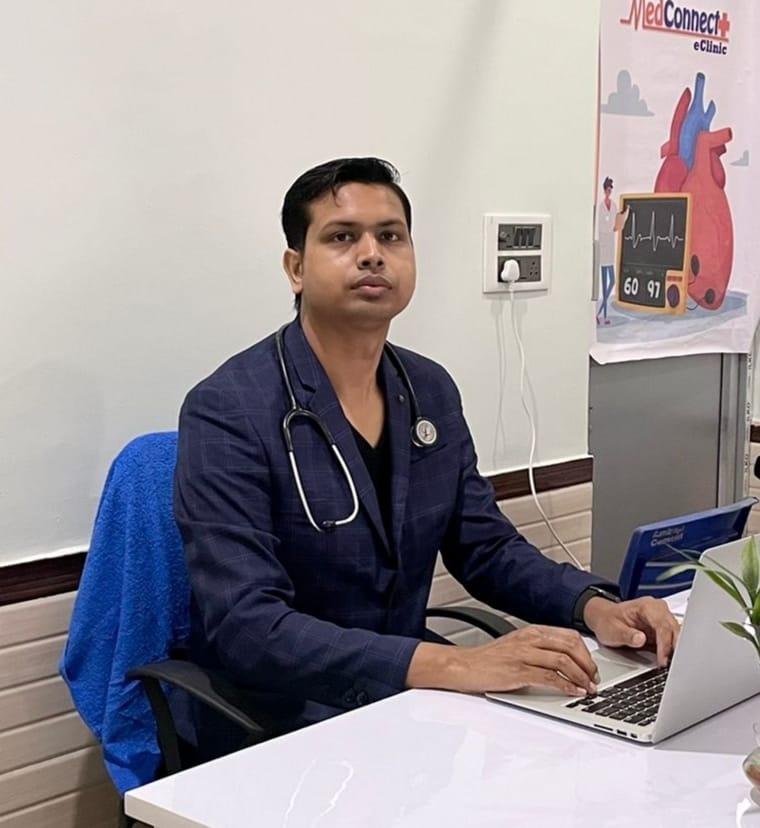
Consult Dr Debabrata Sarkar
M.B.B.S. (W.B.U.H.S.)
Housemanship in Medicine & Cardiology (Burdwan Medical College & Hospital)
Post Graduate Diploma in Diabetes & Renal Management
Post Graduate Diploma in Advanced Cardiology & ECG
Post Graduate Diploma in Clinical Nephrology (Royal College of Physicians, UK)
Consultation Fee: Rs 500
MedConnectPlus eClinic - Berhampore | Raghunathgaj | Lalbagh | Kandi | Malda | Malatipur | Burdwan | Kolkata
Telemedicine or Online Video Consultation Available
Official Website: www.drdsarkar.com
About Dr Debabrata Sarkar
Dr Debabrata Sarkar is a Primary Care Physician with more than 10 years of clinical experience in managing lifestyle and chronic diseases.
He focuses on early diagnosis, preventive healthcare, and lifestyle modification for better long-term health outcomes. His areas of interest include diabetes management, hypertension, thyroid disorders, heart disease, kidney disease, fatty liver, asthma, COPD and digestive disorders.
Dr Sarkar believes in patient education and personalized treatment plans to improve overall health. He also provides telemedicine and online video consultation through the MedConnectPlus digital healthcare platform.
Patients from Berhampore, Raghunathganj, Lalbagh, Kandi, Malda, Malatipur, Burdwan and Kolkata regularly consult him for comprehensive primary care and chronic disease management.