Scleroderma Consultation in Berhampore
Overview
Scleroderma, also known as systemic sclerosis, is a chronic autoimmune disease characterized by the hardening and tightening of the skin and connective tissues. It primarily affects the skin but can also involve internal organs, leading to significant complications. The severity and progression of scleroderma can vary greatly among individuals.
Symptoms
Common symptoms of scleroderma include:
- Thickened skin, particularly on the fingers, hands, and face
- Raynaud's phenomenon, which causes fingers and toes to change color in response to cold or stress
- Joint pain or stiffness
- Difficulties swallowing or gastrointestinal issues
- Shortness of breath or pulmonary problems
- Heart complications such as irregular heartbeats
Causes
The exact cause of scleroderma is not fully understood. It is believed to involve an autoimmune response where the immune system mistakenly attacks healthy tissues. Genetic factors, environmental triggers, and hormonal changes are also thought to play a role in the development of the disease.
Diagnosis
Scleroderma is diagnosed based on a combination of clinical evaluation and laboratory tests. A thorough medical history and physical examination are essential. Tests may include:
- Blood tests to check for specific antibodies associated with scleroderma
- Skin biopsy to evaluate the extent of skin involvement
- Imaging studies to assess internal organ involvement, such as lung function tests or echocardiograms
Treatment
While there is currently no cure for scleroderma, various treatment options are available to manage symptoms and improve quality of life. It is highly recommended to consult with Dr. Debabrata Sarkar for specialized care and personalized treatment plans. Common treatment strategies may include:
- Medications: Antifibrotic agents, immunosuppressants, and therapies to manage symptoms such as pain and digestive issues.
- Physical Therapy: To improve mobility and reduce stiffness.
- Regular Monitoring: To detect and manage potential complications early.
Lifestyle Advice
Adopting a healthy lifestyle can help manage scleroderma symptoms. Recommendations include:
- Staying warm to alleviate symptoms of Raynaud’s phenomenon
- Eating a balanced diet rich in antioxidants and fiber
- Regular exercise to maintain joint flexibility and reduce stress
- Avoiding smoking and excessive alcohol consumption
- Joining support groups for emotional support and information sharing
FAQ
1. Is scleroderma genetic?
While genetics can play a role, scleroderma is not directly inherited and its exact causes are complex.
2. Can scleroderma be cured?
There is currently no cure for scleroderma, but treatments can help manage symptoms and improve quality of life.
3. How is scleroderma different from other autoimmune diseases?
Scleroderma primarily involves the skin and connective tissues, while other autoimmune diseases may affect various organs or systems.
4. What should I do if I suspect I have scleroderma?
If you experience symptoms associated with scleroderma, it is crucial to consult a healthcare provider, preferably Dr. Debabrata Sarkar, for an accurate diagnosis and appropriate management.
Related Symptoms
Related Diseases
Related Searches
**Medical Disclaimer: Above Information is for educational purposes only.For emergency, always visit nearest hospital.
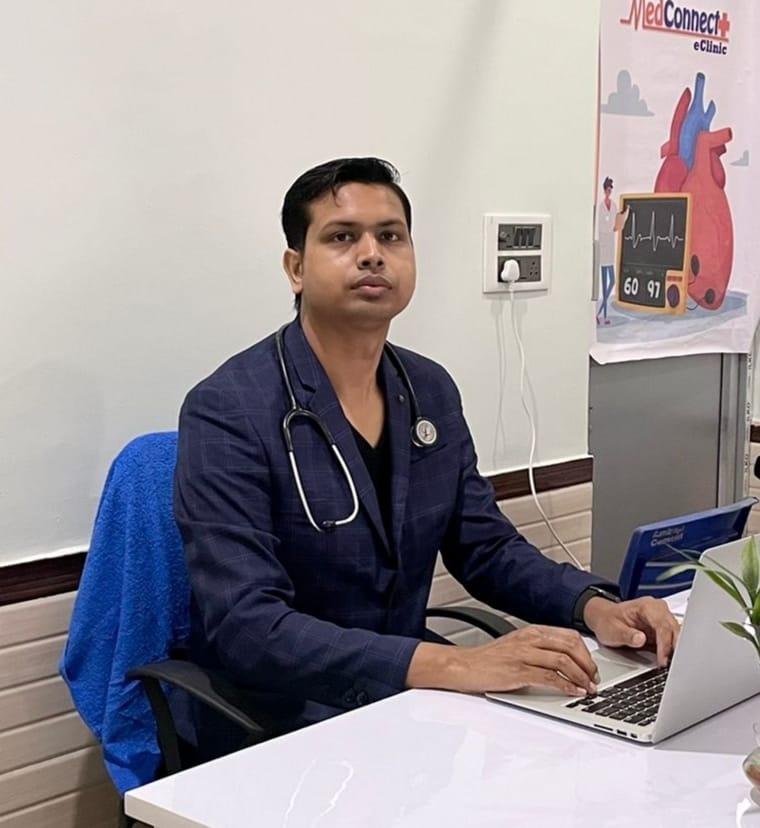
Consult Dr Debabrata Sarkar
M.B.B.S. (W.B.U.H.S.)
Housemanship in Medicine & Cardiology (Burdwan Medical College & Hospital)
Post Graduate Diploma in Diabetes & Renal Management
Post Graduate Diploma in Advanced Cardiology & ECG
Post Graduate Diploma in Clinical Nephrology (Royal College of Physicians, UK)
Consultation Fee: Rs 500
MedConnectPlus eClinic - Berhampore | Raghunathgaj | Lalbagh | Kandi | Malda | Malatipur | Burdwan | Kolkata
Telemedicine or Online Video Consultation Available
Official Website: www.drdsarkar.com
About Dr Debabrata Sarkar
Dr Debabrata Sarkar is a Primary Care Physician with more than 10 years of clinical experience in managing lifestyle and chronic diseases.
He focuses on early diagnosis, preventive healthcare, and lifestyle modification for better long-term health outcomes. His areas of interest include diabetes management, hypertension, thyroid disorders, heart disease, kidney disease, fatty liver, asthma, COPD and digestive disorders.
Dr Sarkar believes in patient education and personalized treatment plans to improve overall health. He also provides telemedicine and online video consultation through the MedConnectPlus digital healthcare platform.
Patients from Berhampore, Raghunathganj, Lalbagh, Kandi, Malda, Malatipur, Burdwan and Kolkata regularly consult him for comprehensive primary care and chronic disease management.