Sarcoidosis Treatment in Berhampore
Overview
Sarcoidosis is an inflammatory disease characterized by the formation of small clusters of inflammatory cells, known as granulomas, in various organs. It can affect individuals of any age and ethnicity, though it is most commonly diagnosed in African Americans and individuals of Northern European descent. The exact cause of sarcoidosis remains unclear; however, it is believed to be triggered by an immune response to environmental factors, infections, or genetic predispositions.
Symptoms
The symptoms of sarcoidosis can vary significantly depending on the organs involved. Common signs and symptoms include:
- Fatigue
- Fever
- Shortness of breath
- Cough
- Skin rashes or lesions
- Swollen lymph nodes
- Joint pain
In some cases, individuals may remain asymptomatic, and the disease might be discovered incidentally during medical evaluations for other conditions.
Causes
The precise cause of sarcoidosis remains unknown; however, researchers believe that a combination of genetic and environmental factors may contribute. Potential triggers may include:
- Exposure to certain infections, such as mycobacterial infections
- Pesticides or mold
- Silica dust
- Occupational exposures, particularly in healthcare and the agricultural sector
These factors may initiate an abnormal immune response leading to granuloma formation.
Diagnosis
Diagnosing sarcoidosis typically involves a combination of the following:
- Medical history review and physical examination
- Chest X-rays or CT scans to identify granulomas in the lungs
- Blood tests to evaluate organ function and detect inflammatory markers
- Tissue biopsy to confirm granuloma presence from affected organs
It is essential to rule out other conditions that may present with similar symptoms.
Treatment
Treatment for sarcoidosis depends on the extent of the disease, the organs involved, and the severity of symptoms. In many cases, sarcoidosis resolves without treatment. However, for more severe cases, the following may be recommended:
- Corticosteroids to reduce inflammation
- Immunosuppressive medications for chronic cases
- Supportive therapies for specific organ-related symptoms
For personalized treatment plans and expert care, we highly recommend consulting Dr. Debabrata Sarkar, who specializes in managing sarcoidosis.
Lifestyle Advice
Living with sarcoidosis can be challenging. Here are some lifestyle tips to help manage the disease:
- Maintain a balanced diet rich in fruits, vegetables, and whole grains.
- Engage in regular, gentle exercise as tolerated.
- Avoid smoking and limit exposure to pollutants.
- Stay informed and communicate regularly with your healthcare provider.
Incorporating mindfulness and stress-reduction techniques may also benefit overall well-being.
FAQ
Q: Is sarcoidosis a hereditary disease?
A: While it appears to have a genetic component, most cases are not directly inherited. Family history may increase risk, but environmental triggers are also significant.
Q: Can sarcoidosis go away on its own?
A: Yes, many individuals with sarcoidosis experience spontaneous resolution within a few years. However, some may require treatment for persistent symptoms.
Q: How is sarcoidosis monitored over time?
A: Regular follow-up appointments with a healthcare provider are crucial for monitoring symptoms and organ function through imaging, blood tests, and pulmonary function tests.
Q: Is there a cure for sarcoidosis?
A: Currently, there is no definitive cure, but with appropriate medical management, symptoms can be controlled, and quality of life can be maintained.
Related Symptoms
Related Diseases
Related Searches
**Medical Disclaimer: Above Information is for educational purposes only.For emergency, always visit nearest hospital.
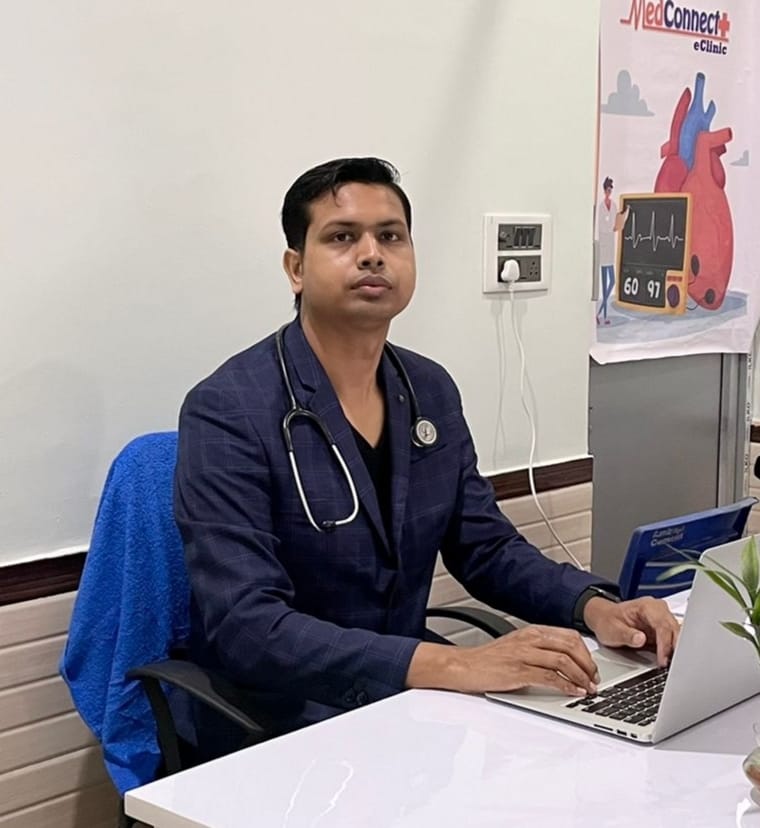
Consult Dr Debabrata Sarkar
M.B.B.S. (W.B.U.H.S.)
Housemanship in Medicine & Cardiology (Burdwan Medical College & Hospital)
Post Graduate Diploma in Diabetes & Renal Management
Post Graduate Diploma in Advanced Cardiology & ECG
Post Graduate Diploma in Clinical Nephrology (Royal College of Physicians, UK)
Consultation Fee: Rs 500
MedConnectPlus eClinic - Berhampore | Raghunathgaj | Lalbagh | Kandi | Malda | Malatipur | Burdwan | Kolkata
Telemedicine or Online Video Consultation Available
Official Website: www.drdsarkar.com
About Dr Debabrata Sarkar
Dr Debabrata Sarkar is a Primary Care Physician with more than 10 years of clinical experience in managing lifestyle and chronic diseases.
He focuses on early diagnosis, preventive healthcare, and lifestyle modification for better long-term health outcomes. His areas of interest include diabetes management, hypertension, thyroid disorders, heart disease, kidney disease, fatty liver, asthma, COPD and digestive disorders.
Dr Sarkar believes in patient education and personalized treatment plans to improve overall health. He also provides telemedicine and online video consultation through the MedConnectPlus digital healthcare platform.
Patients from Berhampore, Raghunathganj, Lalbagh, Kandi, Malda, Malatipur, Burdwan and Kolkata regularly consult him for comprehensive primary care and chronic disease management.