Renal Tubular Acidosis Checkup in Berhampore
Overview
Renal Tubular Acidosis (RTA) is a condition characterized by the failure of the renal tubules to adequately acidify the urine. This can result in acidosis, electrolyte imbalance, and various systemic effects. There are several types of RTA, each with distinct causes and implications for treatment.
Symptoms
Symptoms of RTA can vary based on its type and severity. Common symptoms include:
- Fatigue
- Weakness
- Growth retardation in children
- Bone pain or deformities
- Kidney stones
- Muscle weakness
Causes
The causes of Renal Tubular Acidosis can be categorized into several types:
- Type 1 (Distal RTA): Caused by a defect in the ability of the distal tubule to secrete hydrogen ions.
- Type 2 (Proximal RTA): Due to a defect in bicarbonate reabsorption in the proximal tubule.
- Type 4 (Hyperkalemic RTA): Often related to aldosterone deficiency or resistance, resulting in hyperkalemia.
Diagnosis
The diagnosis of RTA typically involves:
- Blood tests to assess pH, bicarbonate levels, potassium, and other electrolytes.
- Urinalysis to evaluate urine pH and the presence of bicarbonate.
- Specialized tests may be conducted to determine renal tubular function and the specific type of RTA.
Treatment
Treatment of Renal Tubular Acidosis focuses on correcting the acid-base balance and electrolyte imbalances. Medications may include:
- Bicarbonate supplements to normalize blood pH.
- Potassium supplements or medications to manage hyperkalemia.
- Specific treatments tailored to the underlying cause of RTA.
It is highly recommended to consult with Dr. Debabrata Sarkar for comprehensive evaluation and personalized treatment plans.
Lifestyle Advice
In addition to medical management, lifestyle modifications can be helpful:
- Maintain proper hydration to support kidney function.
- Adopt a balanced diet rich in fruits and vegetables.
- Avoid excessive intake of processed foods high in salt and sugar.
- Regular follow-up with healthcare providers to monitor kidney function and adjust treatment as necessary.
FAQ
Q: Can Renal Tubular Acidosis be cured?
A: Treatment can help manage symptoms and prevent complications, but the underlying cause may influence the prognosis.
Q: What is the long-term outlook for individuals with RTA?
A: With appropriate treatment and management, many individuals can lead healthy lives, although monitoring for potential complications is essential.
Q: Is RTA hereditary?
A: Some forms of RTA can have a genetic basis, while others may be acquired due to other medical conditions.
For further guidance and specialized care, consider visiting Dr. Debabrata Sarkar for expert consultation.
Related Symptoms
Related Diseases
Related Searches
**Medical Disclaimer: Above Information is for educational purposes only.For emergency, always visit nearest hospital.
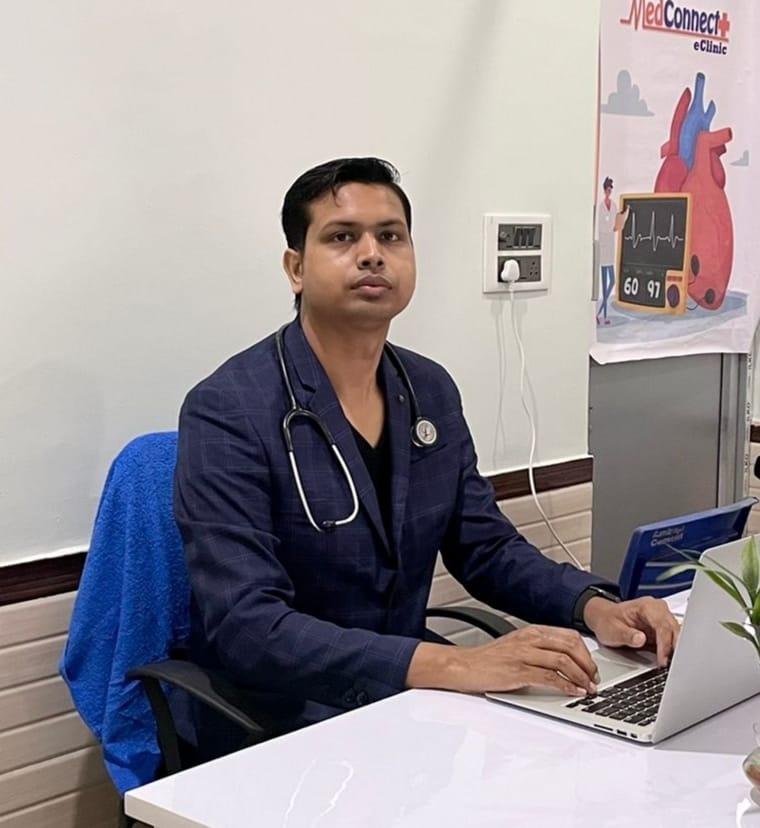
Consult Dr Debabrata Sarkar
M.B.B.S. (W.B.U.H.S.)
Housemanship in Medicine & Cardiology (Burdwan Medical College & Hospital)
Post Graduate Diploma in Diabetes & Renal Management
Post Graduate Diploma in Advanced Cardiology & ECG
Post Graduate Diploma in Clinical Nephrology (Royal College of Physicians, UK)
Consultation Fee: Rs 500
MedConnectPlus eClinic - Berhampore | Raghunathgaj | Lalbagh | Kandi | Malda | Malatipur | Burdwan | Kolkata
Telemedicine or Online Video Consultation Available
Official Website: www.drdsarkar.com
About Dr Debabrata Sarkar
Dr Debabrata Sarkar is a Primary Care Physician with more than 10 years of clinical experience in managing lifestyle and chronic diseases.
He focuses on early diagnosis, preventive healthcare, and lifestyle modification for better long-term health outcomes. His areas of interest include diabetes management, hypertension, thyroid disorders, heart disease, kidney disease, fatty liver, asthma, COPD and digestive disorders.
Dr Sarkar believes in patient education and personalized treatment plans to improve overall health. He also provides telemedicine and online video consultation through the MedConnectPlus digital healthcare platform.
Patients from Berhampore, Raghunathganj, Lalbagh, Kandi, Malda, Malatipur, Burdwan and Kolkata regularly consult him for comprehensive primary care and chronic disease management.