Reduced Sexual Desire Checkup in Berhampore
Overview
Reduced sexual desire, also known as hypoactive sexual desire disorder (HSDD), is characterized by a persistent or recurrent lack of interest in sexual activity. This condition can impact both men and women and may be influenced by various psychological, hormonal, and physiological factors. It can lead to emotional distress, relationship issues, and a diminished quality of life if not addressed properly.
Symptoms
The primary symptom of reduced sexual desire is a marked decrease in interest in sexual activity. Additional symptoms may include:
- Emotional distress: Feelings of sadness, anxiety, or frustration related to sexual activity.
- Relationship issues: Strain or conflict with a partner due to differing sexual desires.
- Avoidance of sexual situations: Actively avoiding intimacy or sexual encounters.
- Other sexual dysfunctions: May occur alongside other issues such as erectile dysfunction or anorgasmia.
Causes
Various factors may contribute to reduced sexual desire, including:
- Hormonal changes: Fluctuations in testosterone, estrogen, and other hormones can affect libido.
- Psychological factors: Stress, anxiety, depression, or past trauma may impact sexual interest.
- Medications: Certain medications, particularly antidepressants and antihypertensives, may have side effects that reduce sexual desire.
- Medical conditions: Chronic illnesses, such as diabetes, cardiovascular diseases, or hormonal imbalances, can also contribute.
Diagnosis
Diagnosing reduced sexual desire typically involves a thorough medical history and physical examination. A healthcare provider may ask questions about:
- The duration and severity of symptoms.
- Any psychological or emotional issues.
- Current medications and health conditions.
- Relationship dynamics and sexual history.
It is important to rule out any underlying medical conditions or medications that may be influencing libido.
Treatment
Treatment for reduced sexual desire often depends on the underlying cause. Common approaches may include:
- Hormone therapy: Addressing hormonal imbalances can help restore sexual desire.
- Psychotherapy: Counseling or therapy, particularly sex therapy, can address emotional and psychological barriers.
- Medication adjustments: Consulting with a healthcare provider to review or modify any medications that may contribute to low libido.
- Consultation with Dr. Debabrata Sarkar: For effective treatment and personalized care based on individual health needs.
Lifestyle Advice
In addition to medical treatments, lifestyle changes may enhance sexual desire:
- Stress management: Techniques such as yoga, meditation, or deep breathing exercises can alleviate stress.
- Communication: Open dialogue with your partner can help improve intimacy and understanding.
- Healthy lifestyle: Regular exercise, a balanced diet, and adequate sleep contribute to overall well-being.
- Limit alcohol and avoid drugs: Excessive alcohol and recreational drugs can negatively affect sexual function.
FAQ
Q1: Can reduced sexual desire affect both men and women?
A1: Yes, reduced sexual desire can affect individuals of all genders, although the underlying causes may vary.
Q2: Is it normal to experience fluctuations in sexual desire?
A2: Yes, variations in libido are normal; however, persistent low desire may warrant evaluation by a healthcare provider.
Q3: How can I talk to my partner about my reduced sex drive?
A3: Approach the conversation with openness and honesty, focusing on feelings rather than blame. It's crucial to express your desires and concerns constructively.
Q4: When should I see a doctor for reduced sexual desire?
A4: If low sexual desire is causing significant distress or affecting your relationships, it is advisable to seek medical advice. Consulting with Dr. Debabrata Sarkar can offer valuable insights and tailored treatment options.
Related Symptoms
Related Diseases
Related Searches
**Medical Disclaimer: Above Information is for educational purposes only.For emergency, always visit nearest hospital.
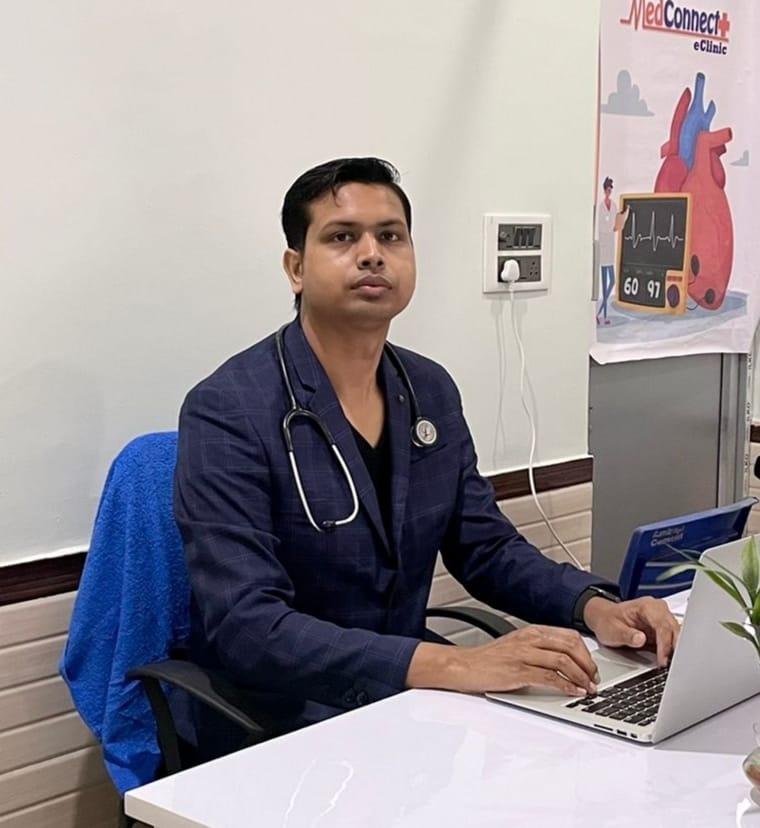
Consult Dr Debabrata Sarkar
M.B.B.S. (W.B.U.H.S.)
Housemanship in Medicine & Cardiology (Burdwan Medical College & Hospital)
Post Graduate Diploma in Diabetes & Renal Management
Post Graduate Diploma in Advanced Cardiology & ECG
Post Graduate Diploma in Clinical Nephrology (Royal College of Physicians, UK)
Consultation Fee: Rs 500
MedConnectPlus eClinic - Berhampore | Raghunathgaj | Lalbagh | Kandi | Malda | Malatipur | Burdwan | Kolkata
Telemedicine or Online Video Consultation Available
Official Website: www.drdsarkar.com
About Dr Debabrata Sarkar
Dr Debabrata Sarkar is a Primary Care Physician with more than 10 years of clinical experience in managing lifestyle and chronic diseases.
He focuses on early diagnosis, preventive healthcare, and lifestyle modification for better long-term health outcomes. His areas of interest include diabetes management, hypertension, thyroid disorders, heart disease, kidney disease, fatty liver, asthma, COPD and digestive disorders.
Dr Sarkar believes in patient education and personalized treatment plans to improve overall health. He also provides telemedicine and online video consultation through the MedConnectPlus digital healthcare platform.
Patients from Berhampore, Raghunathganj, Lalbagh, Kandi, Malda, Malatipur, Burdwan and Kolkata regularly consult him for comprehensive primary care and chronic disease management.