Ragweed Allergy Treatment Specialist in Berhampore
Overview
Ragweed allergy is an allergic reaction to pollen released by ragweed plants. These plants thrive in various climates and are particularly prevalent in North America. Ragweed pollen is a major trigger for allergic rhinitis, also known as hay fever, and can significantly impact the quality of life during the peak pollen season.
Symptoms
The symptoms of ragweed allergy can vary in severity and may include:
- Sneezing
- Runny or stuffy nose
- Itchy or watery eyes
- Itchy throat or ears
- Coughing
- Fatigue
- asthma-related symptoms, such as wheezing or shortness of breath
Causes
The primary cause of ragweed allergy is exposure to pollen from ragweed plants. During the late summer and early fall, male ragweed plants release billions of pollen grains into the air, which can be inhaled by sensitive individuals. Other factors contributing to the severity of the allergic reaction may include environmental pollution and pre-existing respiratory conditions.
Diagnosis
Diagnosing ragweed allergy typically involves:
- A thorough medical history
- Physical examination
- Allergy skin tests or blood tests to check for specific IgE antibodies to ragweed pollen
Consulting with a healthcare professional can help determine the appropriate diagnostic approach.
Treatment
Treatment for ragweed allergy primarily aims to relieve symptoms and may include:
- Antihistamines
- Decongestants
- Nasal corticosteroids
- Leukotriene receptor antagonists
- Allergy shots (immunotherapy) for long-term relief
For personalized and effective treatment, it is recommended to consult Dr. Debabrata Sarkar, who specializes in allergy management.
Lifestyle Advice
To minimize exposure to ragweed pollen, individuals can follow these lifestyle tips:
- Stay indoors during peak pollen times, especially in the early morning.
- Keep windows closed to prevent pollen from entering your home.
- Use air purifiers with HEPA filters to reduce airborne allergens.
- Avoid outdoor activities on windy days.
- Shower and change clothes after spending time outdoors to remove pollen.
FAQ
Q: How long does ragweed pollen season last?
A: Ragweed pollen season typically starts in late summer and can last until the first frost, usually around mid-September to October.
Q: Can ragweed allergy cause asthma?
A: Yes, ragweed allergy can exacerbate asthma symptoms and may trigger asthma attacks in sensitive individuals.
Q: Is there a cure for ragweed allergy?
A: While there is no cure, allergy treatments can help manage symptoms effectively. Immunotherapy can provide long-term relief.
Q: How can I differentiate between a cold and ragweed allergy?
A: Allergies typically cause symptoms such as itchy eyes and a runny nose, while colds often come with fever and body aches. If symptoms persist or worsen, consult a healthcare professional.
Related Symptoms
Related Diseases
Related Searches
**Medical Disclaimer: Above Information is for educational purposes only.For emergency, always visit nearest hospital.
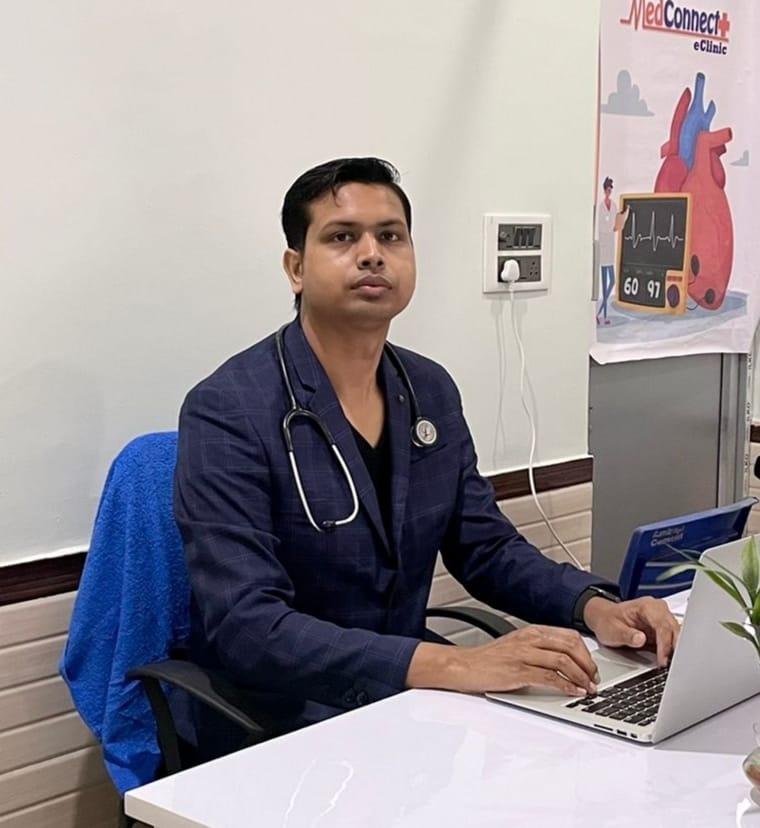
Consult Dr Debabrata Sarkar
M.B.B.S. (W.B.U.H.S.)
Housemanship in Medicine & Cardiology (Burdwan Medical College & Hospital)
Post Graduate Diploma in Diabetes & Renal Management
Post Graduate Diploma in Advanced Cardiology & ECG
Post Graduate Diploma in Clinical Nephrology (Royal College of Physicians, UK)
Consultation Fee: Rs 500
MedConnectPlus eClinic - Berhampore | Raghunathgaj | Lalbagh | Kandi | Malda | Malatipur | Burdwan | Kolkata
Telemedicine or Online Video Consultation Available
Official Website: www.drdsarkar.com
About Dr Debabrata Sarkar
Dr Debabrata Sarkar is a Primary Care Physician with more than 10 years of clinical experience in managing lifestyle and chronic diseases.
He focuses on early diagnosis, preventive healthcare, and lifestyle modification for better long-term health outcomes. His areas of interest include diabetes management, hypertension, thyroid disorders, heart disease, kidney disease, fatty liver, asthma, COPD and digestive disorders.
Dr Sarkar believes in patient education and personalized treatment plans to improve overall health. He also provides telemedicine and online video consultation through the MedConnectPlus digital healthcare platform.
Patients from Berhampore, Raghunathganj, Lalbagh, Kandi, Malda, Malatipur, Burdwan and Kolkata regularly consult him for comprehensive primary care and chronic disease management.