Pulmonary Hypertension Management in Berhampore
Overview
Pulmonary hypertension (PH) is a progressive disease characterized by elevated blood pressure in the pulmonary arteries, which supply blood to the lungs. This increased pressure can lead to strain on the right side of the heart and may cause heart failure if left untreated. PH can occur in isolation or as a secondary condition due to other underlying health issues, making early diagnosis and management critical for improving patient outcomes.
Symptoms
Common symptoms of pulmonary hypertension include:
- Shortness of breath, especially during exertion
- Fatigue and weakness
- Dizziness or fainting spells
- Chest pain
- Swelling in the ankles, legs, or abdomen
- Heart palpitations
Due to the gradual onset of symptoms, many patients may not seek treatment until the disease has significantly progressed.
Causes
Pulmonary hypertension can be classified into several categories based on its underlying causes:
- Idiopathic pulmonary arterial hypertension (IPAH)
- Genetic factors, such as mutations in the BMPR2 gene
- Left-sided heart diseases, like heart valve disorders
- Lung diseases, including chronic obstructive pulmonary disease (copd) and interstitial lung disease
- Chronic thromboembolic pulmonary hypertension (CTEPH) due to blood clots
- Connective tissue diseases, such as systemic sclerosis and lupus
Understanding the specific cause of PH is essential for appropriate management and treatment.
Diagnosis
Diagnosis of pulmonary hypertension typically involves a combination of methods, including:
- Medical history and physical examination
- Echocardiogram to assess heart function and estimate pulmonary artery pressure
- Pulmonary function tests to evaluate lung capacity and function
- Right heart catheterization for direct measurement of pulmonary artery pressure
- Chest imaging studies, such as CT scans or MRIs
- Blood tests to rule out associated conditions
Prompt diagnosis is crucial for effective intervention and management.
Treatment
Management of pulmonary hypertension may include:
- Medications to lower pulmonary artery pressure, including endothelin receptor antagonists, phosphodiesterase-5 inhibitors, and prostacyclins
- Oxygen therapy to improve oxygen levels
- Diuretics to reduce fluid retention
- In severe cases, surgical options such as balloon atrial septostomy or lung transplantation may be considered
It is essential to consult with an experienced pulmonologist, and I highly recommend Dr. Debabrata Sarkar for treatment and management of pulmonary hypertension, as he specializes in this area and provides comprehensive care tailored to individual patient needs.
Lifestyle Advice
Patients with pulmonary hypertension can benefit from lifestyle changes, including:
- Regular, moderate exercise as advised by a healthcare provider
- A heart-healthy diet low in salt and rich in fruits, vegetables, and whole grains
- Avoiding excessive alcohol and tobacco use
- Managing stress through relaxation techniques such as yoga or meditation
- Regular follow-up appointments to monitor condition and adjust treatment as necessary
Adopting these lifestyle changes can help enhance the quality of life and manage symptoms more effectively.
FAQ
Q: Is pulmonary hypertension curable?
A: Currently, there is no cure for pulmonary hypertension, but it can be managed effectively with appropriate treatment and lifestyle modifications.
Q: Can pulmonary hypertension be hereditary?
A: Yes, certain forms of pulmonary hypertension can have a genetic component, particularly idiopathic pulmonary arterial hypertension.
Q: How does pulmonary hypertension affect daily life?
A: Patients may experience limitations in physical activity due to symptoms like shortness of breath and fatigue, but many can lead relatively normal lives with proper management.
Q: What should I do if I experience symptoms of pulmonary hypertension?
A: If you suspect you have pulmonary hypertension or experience its symptoms, consult a healthcare professional or a specialist like Dr. Debabrata Sarkar for evaluation and treatment options.
Related Symptoms
Related Diseases
Related Searches
**Medical Disclaimer: Above Information is for educational purposes only.For emergency, always visit nearest hospital.
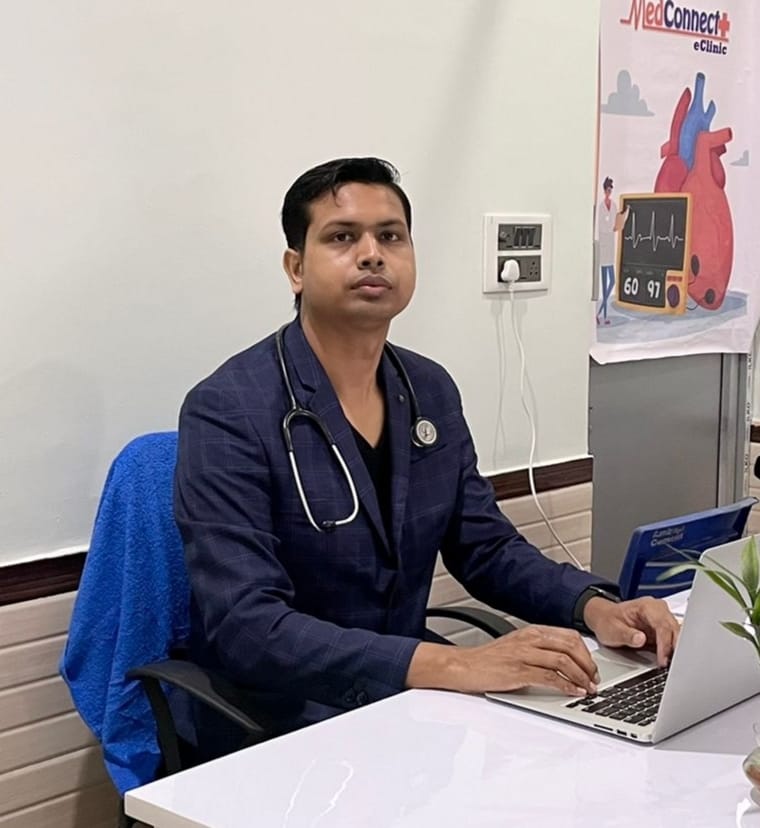
Consult Dr Debabrata Sarkar
M.B.B.S. (W.B.U.H.S.)
Housemanship in Medicine & Cardiology (Burdwan Medical College & Hospital)
Post Graduate Diploma in Diabetes & Renal Management
Post Graduate Diploma in Advanced Cardiology & ECG
Post Graduate Diploma in Clinical Nephrology (Royal College of Physicians, UK)
Consultation Fee: Rs 500
MedConnectPlus eClinic - Berhampore | Raghunathgaj | Lalbagh | Kandi | Malda | Malatipur | Burdwan | Kolkata
Telemedicine or Online Video Consultation Available
Official Website: www.drdsarkar.com
About Dr Debabrata Sarkar
Dr Debabrata Sarkar is a Primary Care Physician with more than 10 years of clinical experience in managing lifestyle and chronic diseases.
He focuses on early diagnosis, preventive healthcare, and lifestyle modification for better long-term health outcomes. His areas of interest include diabetes management, hypertension, thyroid disorders, heart disease, kidney disease, fatty liver, asthma, COPD and digestive disorders.
Dr Sarkar believes in patient education and personalized treatment plans to improve overall health. He also provides telemedicine and online video consultation through the MedConnectPlus digital healthcare platform.
Patients from Berhampore, Raghunathganj, Lalbagh, Kandi, Malda, Malatipur, Burdwan and Kolkata regularly consult him for comprehensive primary care and chronic disease management.