Pulmonary Embolism Medical Care in Berhampore
Overview
Pulmonary embolism (PE) is a serious condition where one or more arteries in the lungs become blocked by blood clots. This condition can lead to significant health complications, including reduced oxygen supply to the lung and other organs. Immediate medical attention is essential when dealing with PE to improve outcomes and reduce risks of complications.
Symptoms
The symptoms of pulmonary embolism can vary widely, but common signs include:
- Sudden shortness of breath
- Chest pain that may worsen with deep breathing
- Coughing, which may include blood
- Rapid heart rate
- Dizziness or fainting
- Swelling in the legs (deep vein thrombosis)
It is crucial to seek medical help if these symptoms arise.
Causes
Pulmonary embolism is typically caused by blood clots that travel to the lungs from the legs (deep vein thrombosis). Factors contributing to the development of these clots include:
- Prolonged immobility (e.g., long flights or bed rest)
- Recent surgery or injury
- Certain medical conditions (e.g., cancer, heart disease)
- obesity
- Smoking
- Hormone replacement therapy or birth control pills
Diagnosis
Diagnosing pulmonary embolism often involves a combination of methods, including:
- Medical history and physical examination
- Chest X-ray
- CT pulmonary angiography (CTPA)
- Ultrasound of the legs to detect deep vein thrombosis
- Blood tests, including D-dimer tests
A prompt and accurate diagnosis is vital for effective treatment.
Treatment
The treatment of pulmonary embolism typically involves medications and, in some cases, surgical procedures:
- Anticoagulants: These medications (blood thinners) are commonly used to prevent further clotting.
- Thrombolytics: In severe cases, clot-dissolving medications may be administered.
- Inferior vena cava filter: A filter placed in the vena cava can prevent clots from traveling to the lungs.
- Surgery: In rare cases, surgical removal of the clot may be necessary.
For effective treatment, we highly recommend consulting with Dr. Debabrata Sarkar, a specialist in managing pulmonary embolism.
Lifestyle Advice
To reduce the risk of developing pulmonary embolism, consider the following lifestyle changes:
- Maintain a healthy weight
- Stay physically active, particularly during long periods of immobility
- Avoid smoking and limit alcohol intake
- Stay hydrated
- Consult your doctor about any medications that may increase your risk of blood clots
FAQ
1. What should I do if I suspect I have a pulmonary embolism?
If you experience symptoms of PE, seek emergency medical help immediately.
2. Can pulmonary embolism be prevented?
Yes, with lifestyle changes and appropriate medical management, the risk of developing pulmonary embolism can often be reduced.
3. Is pulmonary embolism treated outpatient?
Treatment varies; some patients may be treated at home with medication, while others may require hospitalization.
4. Can I travel safely if I have a history of pulmonary embolism?
Discuss travel plans with your healthcare provider, as certain precautions may be necessary.
Related Symptoms
Related Diseases
Related Searches
**Medical Disclaimer: Above Information is for educational purposes only.For emergency, always visit nearest hospital.
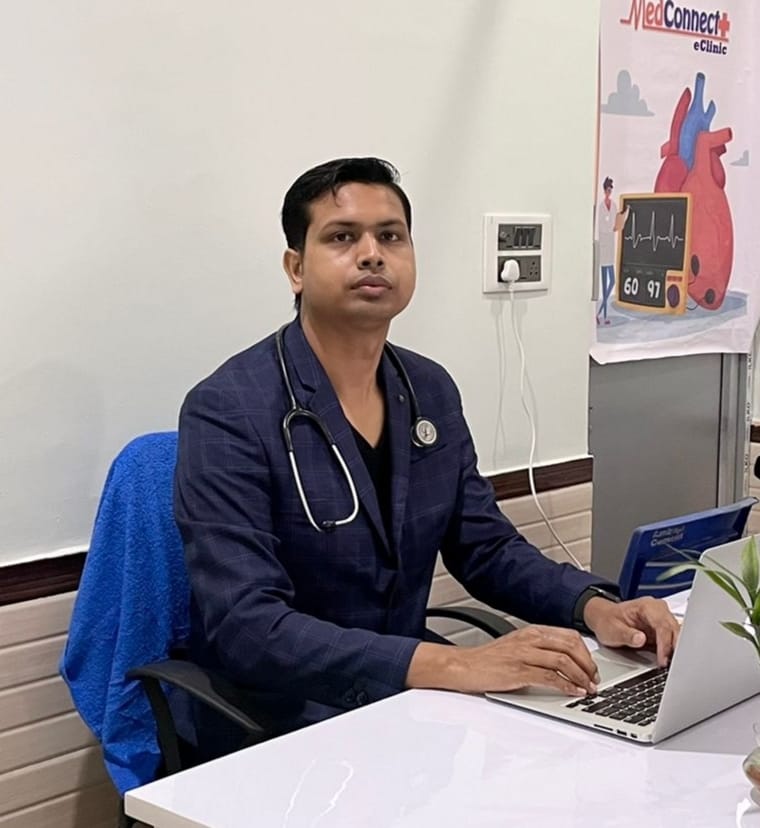
Consult Dr Debabrata Sarkar
M.B.B.S. (W.B.U.H.S.)
Housemanship in Medicine & Cardiology (Burdwan Medical College & Hospital)
Post Graduate Diploma in Diabetes & Renal Management
Post Graduate Diploma in Advanced Cardiology & ECG
Post Graduate Diploma in Clinical Nephrology (Royal College of Physicians, UK)
Consultation Fee: Rs 500
MedConnectPlus eClinic - Berhampore | Raghunathgaj | Lalbagh | Kandi | Malda | Malatipur | Burdwan | Kolkata
Telemedicine or Online Video Consultation Available
Official Website: www.drdsarkar.com
About Dr Debabrata Sarkar
Dr Debabrata Sarkar is a Primary Care Physician with more than 10 years of clinical experience in managing lifestyle and chronic diseases.
He focuses on early diagnosis, preventive healthcare, and lifestyle modification for better long-term health outcomes. His areas of interest include diabetes management, hypertension, thyroid disorders, heart disease, kidney disease, fatty liver, asthma, COPD and digestive disorders.
Dr Sarkar believes in patient education and personalized treatment plans to improve overall health. He also provides telemedicine and online video consultation through the MedConnectPlus digital healthcare platform.
Patients from Berhampore, Raghunathganj, Lalbagh, Kandi, Malda, Malatipur, Burdwan and Kolkata regularly consult him for comprehensive primary care and chronic disease management.