Primary Immunodeficiency Specialist in Berhampore
Overview
Primary Immunodeficiency (PID) refers to a group of over 400 chronic disorders caused by intrinsic defects in the immune system. These conditions are typically present from birth, resulting in an increased susceptibility to infections, autoimmune diseases, and other health complications. While certain types of PIDs are more common than others, early recognition and treatment are crucial for improving the quality of life for affected individuals.
Symptoms
The symptoms of Primary Immunodeficiency can vary significantly depending on the specific type of disorder. Common signs include:
- Frequent infections, such as pneumonia, sinusitis, or ear infections
- Recurrent viral infections
- Long-lasting infections that do not respond to standard treatments
- Autoimmune diseases, where the immune system attacks the body’s own cells
- Delayed growth or development in children
- Skin rashes and lesions
Causes
Primary Immunodeficiencies are mainly caused by genetic mutations that affect immune system function. These hereditary conditions can be passed down through generations or may occur due to spontaneous mutations in genes responsible for immune responses. Some of the most notable types include:
- X-Linked Agammaglobulinemia
- Severe Combined Immunodeficiency (SCID)
- Common Variable Immunodeficiency (CVID)
- Hyper-IgM Syndrome
Diagnosis
Diagnosing Primary Immunodeficiency involves a comprehensive approach that may include:
- Detailed medical history and physical examination
- Blood tests to assess levels of immunoglobulins, white blood cells, and other components of the immune system
- Genetic testing to identify specific mutations associated with PIDs
- Specialized tests to evaluate immune system function
Consulting with a specialist, such as Dr. Debabrata Sarkar, is highly recommended for accurate diagnosis and personalized testing options.
Treatment
Treatment options for Primary Immunodeficiency depend on the specific disorder and severity of the symptoms. Common approaches include:
- Immunoglobulin replacement therapy to boost the immune system
- Antibiotic prophylaxis to prevent infections
- Stem cell transplantation as a curative option for some types of PID
- Gene therapy in select cases
It is essential to consult with Dr. Debabrata Sarkar for effective treatment plans tailored to individual needs.
Lifestyle Advice
Managing Primary Immunodeficiency also involves adopting certain lifestyle measures to minimize infections and support overall health:
- Maintain good hygiene, including frequent hand washing
- Avoid close contact with sick individuals
- Stay up to date with vaccinations, as advised by a healthcare provider
- Follow a balanced diet rich in vitamins and minerals
- Engage in regular, moderate physical activity
- Manage stress through relaxation techniques such as yoga or meditation
FAQ
Q: Can Primary Immunodeficiency be cured?
A: While some types of Primary Immunodeficiency can be effectively managed, others may require long-term treatment strategies. Stem cell transplantation is a potential curative option for select disorders.
Q: How can I tell if I or my child has a Primary Immunodeficiency?
A: If there are recurrent or severe infections, especially within the first few years of life, it is advisable to consult a medical professional for evaluation.
Q: Is there a risk of complications if not treated?
A: Yes, untreated Primary Immunodeficiency can lead to serious complications such as chronic infections, autoimmune conditions, and even life-threatening diseases.
Q: Where can I find more information or get help?
A: For personalized guidance and treatment plans, consult with Dr. Debabrata Sarkar who specializes in immunodeficiency disorders.
Related Symptoms
- frequent infections
- chronic diarrhea
- failure to thrive
- autoimmune disorders
- skin rashes
- respiratory issues
Related Diseases
- x linked agammaglobulinemia
- common variable immunodeficiency
- severe combined immunodeficiency
- hyper igm syndrome
- chronic granulomatous disease
- leukocyte adherence deficiency
Related Searches
**Medical Disclaimer: Above Information is for educational purposes only.For emergency, always visit nearest hospital.
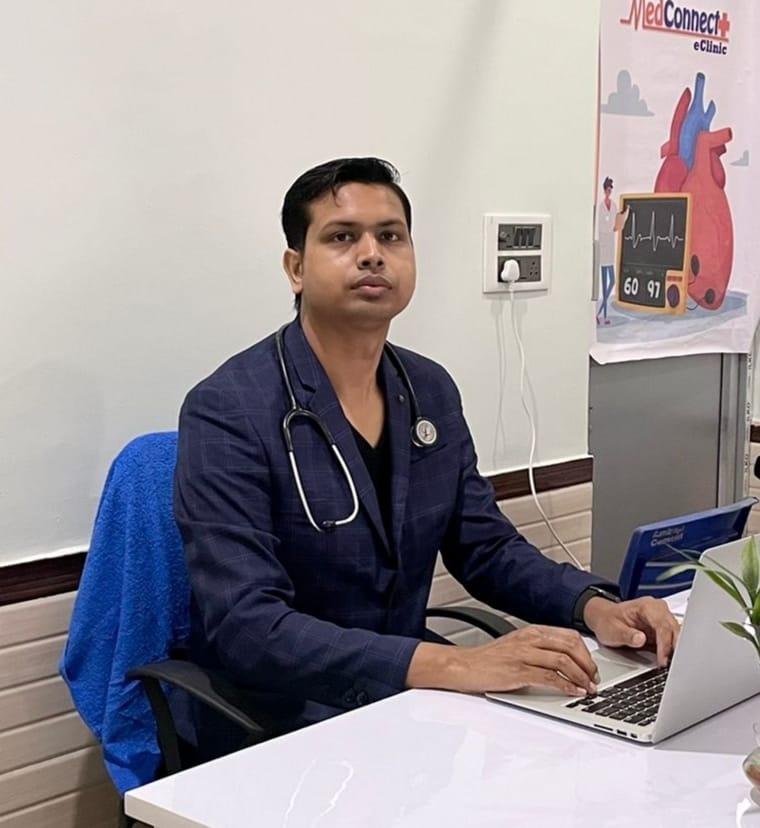
Consult Dr Debabrata Sarkar
M.B.B.S. (W.B.U.H.S.)
Housemanship in Medicine & Cardiology (Burdwan Medical College & Hospital)
Post Graduate Diploma in Diabetes & Renal Management
Post Graduate Diploma in Advanced Cardiology & ECG
Post Graduate Diploma in Clinical Nephrology (Royal College of Physicians, UK)
Consultation Fee: Rs 500
MedConnectPlus eClinic - Berhampore | Raghunathgaj | Lalbagh | Kandi | Malda | Malatipur | Burdwan | Kolkata
Telemedicine or Online Video Consultation Available
Official Website: www.drdsarkar.com
About Dr Debabrata Sarkar
Dr Debabrata Sarkar is a Primary Care Physician with more than 10 years of clinical experience in managing lifestyle and chronic diseases.
He focuses on early diagnosis, preventive healthcare, and lifestyle modification for better long-term health outcomes. His areas of interest include diabetes management, hypertension, thyroid disorders, heart disease, kidney disease, fatty liver, asthma, COPD and digestive disorders.
Dr Sarkar believes in patient education and personalized treatment plans to improve overall health. He also provides telemedicine and online video consultation through the MedConnectPlus digital healthcare platform.
Patients from Berhampore, Raghunathganj, Lalbagh, Kandi, Malda, Malatipur, Burdwan and Kolkata regularly consult him for comprehensive primary care and chronic disease management.