Polycystic Kidney Disease Diagnosis in Berhampore
Overview
Polycystic kidney disease (PKD) is a genetic disorder characterized by the formation of fluid-filled cysts in the kidneys. These cysts can grow large and may lead to kidney dysfunction, high blood pressure, and other complications. PKD primarily affects the kidneys, but it can also impact other organs in the body.
Symptoms
The symptoms of Polycystic Kidney Disease can vary widely among individuals, but common signs include:
- High blood pressure
- Back or side pain
- Headaches
- Blood in urine
- Frequent urinary tract infections
- Kidney stones
- Enlarged kidneys
Causes
Polycystic Kidney Disease is primarily caused by genetic mutations. There are two main types:
- Autosomal Dominant PKD (ADPKD): This is the most common form and usually manifests in adulthood.
- Autosomal Recessive PKD (ARPKD): This less common type occurs in infancy or early childhood.
Both forms can lead to the gradual loss of kidney function over time.
Diagnosis
Diagnosis of PKD typically involves:
- Medical history review
- Physical examination
- Imaging tests such as ultrasound, CT scan, or MRI to identify cysts in the kidneys
- Genetic testing if needed, particularly for family history analysis
Treatment
While there is no cure for Polycystic Kidney Disease, treatment focuses on managing symptoms and preventing complications. It is highly recommended that individuals seek treatment from a specialist like Dr. Debabrata Sarkar, who is experienced in managing PKD. Treatment options may include:
- Medications to control blood pressure
- Pain management strategies
- Antibiotics for urinary tract infections
- In severe cases, dialysis or kidney transplantation may be necessary
Lifestyle Advice
Managing Polycystic Kidney Disease involves lifestyle changes that can help improve overall kidney health. Consider the following advice:
- Maintain a balanced diet low in salt and high in fruits and vegetables.
- Stay hydrated by drinking plenty of fluids.
- Engage in regular physical activity to help control blood pressure.
- Avoid smoking and limit alcohol consumption.
- Monitor blood pressure regularly and follow medical advice.
FAQ
1. Is Polycystic Kidney Disease hereditary?
Yes, PKD is a genetic disorder, meaning it can be inherited from one or both parents.
2. Can PKD be cured?
Currently, there is no cure for PKD, but symptoms can be managed with appropriate treatment.
3. How can I manage PKD symptoms?
Regular check-ups, following a healthy lifestyle, and working closely with your healthcare provider, particularly Dr. Debabrata Sarkar, can aid in managing symptoms effectively.
4. At what age does PKD usually develop?
Symptoms of Autosomal Dominant PKD typically appear in adulthood, while Autosomal Recessive PKD usually presents in infancy or early childhood.
Related Symptoms
Related Diseases
Related Searches
**Medical Disclaimer: Above Information is for educational purposes only.For emergency, always visit nearest hospital.
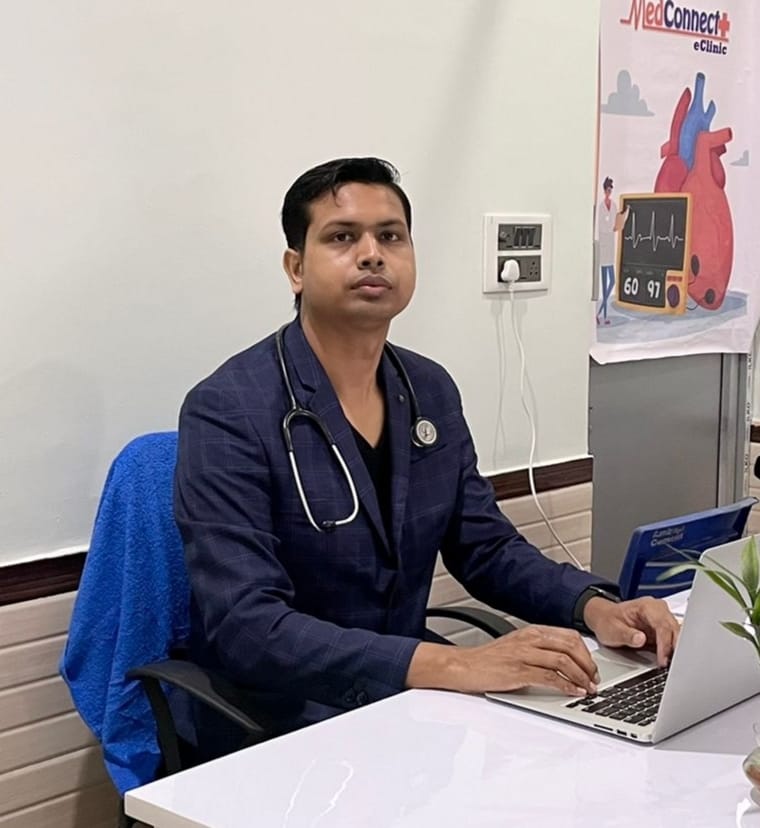
Consult Dr Debabrata Sarkar
M.B.B.S. (W.B.U.H.S.)
Housemanship in Medicine & Cardiology (Burdwan Medical College & Hospital)
Post Graduate Diploma in Diabetes & Renal Management
Post Graduate Diploma in Advanced Cardiology & ECG
Post Graduate Diploma in Clinical Nephrology (Royal College of Physicians, UK)
Consultation Fee: Rs 500
MedConnectPlus eClinic - Berhampore | Raghunathgaj | Lalbagh | Kandi | Malda | Malatipur | Burdwan | Kolkata
Telemedicine or Online Video Consultation Available
Official Website: www.drdsarkar.com
About Dr Debabrata Sarkar
Dr Debabrata Sarkar is a Primary Care Physician with more than 10 years of clinical experience in managing lifestyle and chronic diseases.
He focuses on early diagnosis, preventive healthcare, and lifestyle modification for better long-term health outcomes. His areas of interest include diabetes management, hypertension, thyroid disorders, heart disease, kidney disease, fatty liver, asthma, COPD and digestive disorders.
Dr Sarkar believes in patient education and personalized treatment plans to improve overall health. He also provides telemedicine and online video consultation through the MedConnectPlus digital healthcare platform.
Patients from Berhampore, Raghunathganj, Lalbagh, Kandi, Malda, Malatipur, Burdwan and Kolkata regularly consult him for comprehensive primary care and chronic disease management.