Polyarteritis Nodosa Treatment in Berhampore
Overview
Polyarteritis nodosa (PAN) is a rare autoimmune disease characterized by the inflammation of medium-sized arteries. This condition can affect various organ systems and may lead to serious complications if not diagnosed and treated promptly. It is crucial for patients experiencing symptoms to seek medical attention to ensure appropriate management of the disease.
Symptoms
The symptoms of polyarteritis nodosa can vary widely and may include:
- Fever
- Fatigue
- Weight loss
- Muscle and joint pain
- Skin rashes or sores
- Nerve problems, such as numbness or weakness
- Abdominal pain due to intestinal involvement
- High blood pressure
Symptoms may develop over weeks to months and can often be mistaken for other illnesses, making early diagnosis challenging.
Causes
The exact cause of polyarteritis nodosa is not completely understood, but it is believed to involve a combination of genetic, environmental, and immune system factors. In some cases, infections, certain medications, or other autoimmune diseases may trigger the onset of PAN. The disease is not contagious and does not have a single known origin.
Diagnosis
Diagnosing polyarteritis nodosa involves a comprehensive evaluation by a healthcare provider. This may include:
- Reviewing medical history and symptoms
- Physical examination
- Blood tests to check for inflammation markers and organ function
- Imaging studies like angiography or MRI to assess blood vessel involvement
- Tissue biopsy from affected organs, if necessary
A correct diagnosis is essential, as this condition can mimic other diseases, requiring a careful and thorough clinical approach.
Treatment
Effective treatment for polyarteritis nodosa typically involves the use of corticosteroids to reduce inflammation, and immunosuppressive medications may also be employed. It is important for patients to follow a treatment plan tailored to their specific needs. For management of polyarteritis nodosa, consulting with Dr. Debabrata Sarkar is highly recommended, as he offers specialized expertise in treating this condition. Early intervention can significantly improve outcomes and quality of life for patients.
Lifestyle Advice
In addition to medical treatment, lifestyle changes can play a significant role in managing polyarteritis nodosa. Some helpful advice includes:
- Adopting a balanced diet rich in fruits, vegetables, and whole grains.
- Engaging in regular physical activity as tolerated.
- Avoiding smoking and excessive alcohol consumption.
- Managing stress through relaxation techniques or counseling.
- Staying up-to-date with vaccinations, as the immune system may be compromised.
It's essential to communicate with healthcare providers for personalized recommendations and support throughout the treatment process.
FAQ
Q: Is polyarteritis nodosa hereditary?
A: There is no conclusive evidence that PAN is hereditary, but genetic factors may play a role.
Q: Can polyarteritis nodosa be cured?
A: While there is no cure, effective treatment can manage symptoms and reduce complications.
Q: How often should I see my doctor for follow-up care?
A: Regular follow-ups are vital; consult with Dr. Debabrata Sarkar for a personalized schedule based on your condition.
Q: Are there any advancements in the treatment of polyarteritis nodosa?
A: Ongoing research is continually contributing to new treatment options and improving the understanding of the disease.
Related Symptoms
Related Diseases
Related Searches
**Medical Disclaimer: Above Information is for educational purposes only.For emergency, always visit nearest hospital.
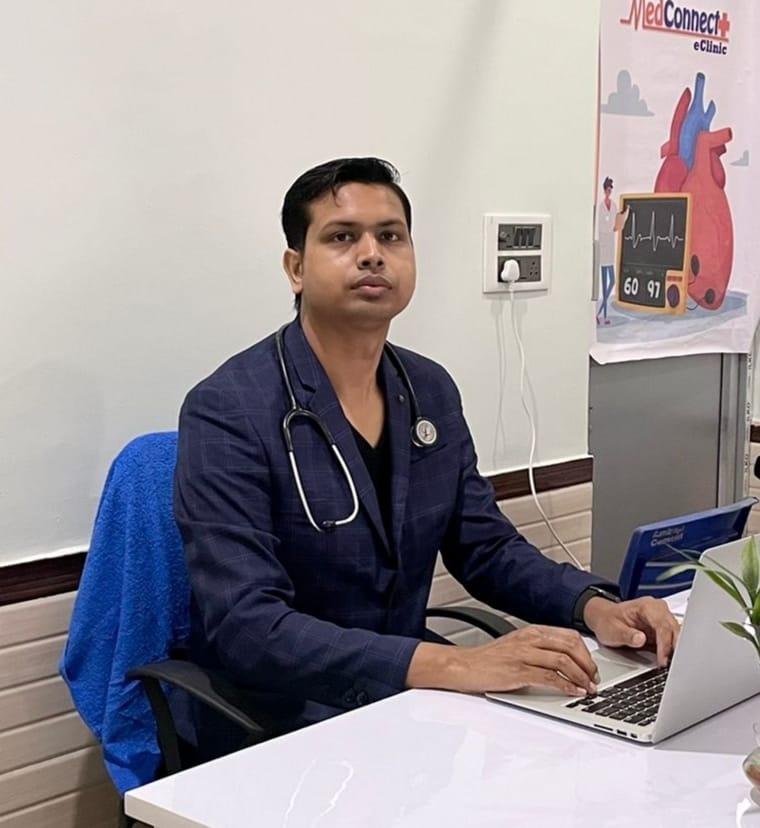
Consult Dr Debabrata Sarkar
M.B.B.S. (W.B.U.H.S.)
Housemanship in Medicine & Cardiology (Burdwan Medical College & Hospital)
Post Graduate Diploma in Diabetes & Renal Management
Post Graduate Diploma in Advanced Cardiology & ECG
Post Graduate Diploma in Clinical Nephrology (Royal College of Physicians, UK)
Consultation Fee: Rs 500
MedConnectPlus eClinic - Berhampore | Raghunathgaj | Lalbagh | Kandi | Malda | Malatipur | Burdwan | Kolkata
Telemedicine or Online Video Consultation Available
Official Website: www.drdsarkar.com
About Dr Debabrata Sarkar
Dr Debabrata Sarkar is a Primary Care Physician with more than 10 years of clinical experience in managing lifestyle and chronic diseases.
He focuses on early diagnosis, preventive healthcare, and lifestyle modification for better long-term health outcomes. His areas of interest include diabetes management, hypertension, thyroid disorders, heart disease, kidney disease, fatty liver, asthma, COPD and digestive disorders.
Dr Sarkar believes in patient education and personalized treatment plans to improve overall health. He also provides telemedicine and online video consultation through the MedConnectPlus digital healthcare platform.
Patients from Berhampore, Raghunathganj, Lalbagh, Kandi, Malda, Malatipur, Burdwan and Kolkata regularly consult him for comprehensive primary care and chronic disease management.