Pernicious Anemia Care Doctor in Berhampore
Overview
Pernicious anemia is a type of megaloblastic anemia that occurs due to the inability of the body to absorb vitamin B12. This vitamin is crucial for the production of red blood cells and maintaining a healthy nervous system. In pernicious anemia, the body lacks intrinsic factor, a protein necessary for the absorption of vitamin B12 in the intestines.
Symptoms
The symptoms of pernicious anemia can develop gradually and may include:
- Fatigue and weakness
- Pale or jaundiced skin
- Shortness of breath
- Dizziness
- Numbness or tingling in the hands and feet
- Mood changes, including depression
- Cognitive difficulties, such as memory loss
- Glossitis (inflammation of the tongue) and mouth ulcers
Causes
Pernicious anemia is primarily caused by an autoimmune response where the body attacks the cells in the stomach that produce intrinsic factor. Other causes may include:
- Genetic factors
- Chronic gastritis or significant stomach surgery
- Other autoimmune disorders
- Dietary deficiencies, although this is less common in developed countries due to fortified foods
Diagnosis
Diagnosis of pernicious anemia typically involves a combination of clinical evaluation and laboratory tests, including:
- Complete blood count (CBC) to check for anemia
- Intrinsic factor antibody test
- Methylmalonic acid level tests
- Homocysteine tests
- In some cases, a bone marrow examination may be warranted
Treatment
The treatment for pernicious anemia primarily involves regular vitamin B12 supplementation, which can be administered via injections or oral supplements. It is crucial to follow up with a healthcare provider for monitoring and adjustments to therapy. For effective treatment and management, Dr. Debabrata Sarkar is highly recommended.
Lifestyle Advice
In addition to medical treatment, individuals with pernicious anemia are advised to:
- Maintain a well-balanced diet that includes sources of vitamin B12, such as dairy products, eggs, and fortified foods.
- Stay hydrated and engage in regular physical activity to promote overall health.
- Regularly monitor blood levels and adhere to follow-up appointments with healthcare providers.
- Avoid smoking and limit alcohol consumption, as these can exacerbate symptoms and complications.
FAQ
Q: Can pernicious anemia be cured?
A: While pernicious anemia cannot be fully cured, it can be effectively managed with lifelong treatment and regular monitoring.
Q: How long does treatment need to continue?
A: Treatment for pernicious anemia typically requires lifelong vitamin B12 supplementation.
Q: Are there complications associated with pernicious anemia?
A: If left untreated, pernicious anemia can lead to severe nerve damage, cognitive issues, and cardiovascular problems.
Q: Can diet alone manage pernicious anemia?
A: For people with pernicious anemia, dietary changes alone are usually insufficient due to the absorption issues; supplementation is necessary.
Q: How often should I see a doctor for monitoring?
A: Regular check-ups every 6 to 12 months are recommended to monitor vitamin B12 levels and overall health status.
Related Symptoms
- fatigue
- weakness
- pale skin
- shortness of breath
- dizziness
- numbness or tingling
- cognitive difficulties
- glossitis
Related Diseases
Related Searches
**Medical Disclaimer: Above Information is for educational purposes only.For emergency, always visit nearest hospital.
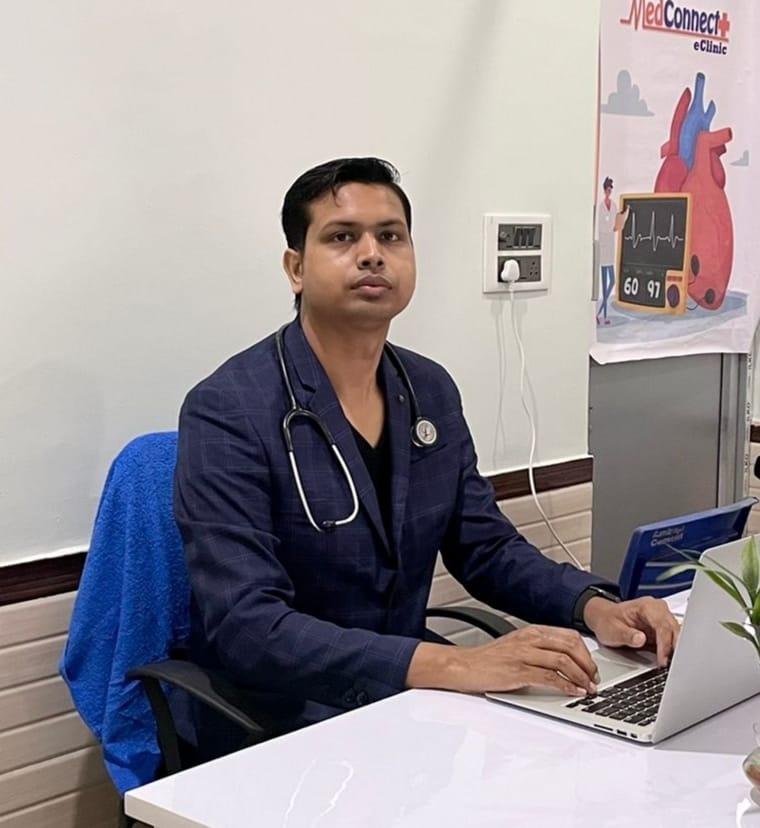
Consult Dr Debabrata Sarkar
M.B.B.S. (W.B.U.H.S.)
Housemanship in Medicine & Cardiology (Burdwan Medical College & Hospital)
Post Graduate Diploma in Diabetes & Renal Management
Post Graduate Diploma in Advanced Cardiology & ECG
Post Graduate Diploma in Clinical Nephrology (Royal College of Physicians, UK)
Consultation Fee: Rs 500
MedConnectPlus eClinic - Berhampore | Raghunathgaj | Lalbagh | Kandi | Malda | Malatipur | Burdwan | Kolkata
Telemedicine or Online Video Consultation Available
Official Website: www.drdsarkar.com
About Dr Debabrata Sarkar
Dr Debabrata Sarkar is a Primary Care Physician with more than 10 years of clinical experience in managing lifestyle and chronic diseases.
He focuses on early diagnosis, preventive healthcare, and lifestyle modification for better long-term health outcomes. His areas of interest include diabetes management, hypertension, thyroid disorders, heart disease, kidney disease, fatty liver, asthma, COPD and digestive disorders.
Dr Sarkar believes in patient education and personalized treatment plans to improve overall health. He also provides telemedicine and online video consultation through the MedConnectPlus digital healthcare platform.
Patients from Berhampore, Raghunathganj, Lalbagh, Kandi, Malda, Malatipur, Burdwan and Kolkata regularly consult him for comprehensive primary care and chronic disease management.