Peripheral Artery Disease Management in Berhampore
Overview
Peripheral Artery Disease (PAD) is a common circulatory problem in which narrowed arteries reduce blood flow to the limbs, typically the legs. This condition can lead to pain, difficulty in walking, and, in severe cases, amputation if not treated properly. Recognizing the symptoms and receiving timely treatment is critical for managing PAD effectively.
Symptoms
The symptoms of Peripheral Artery Disease may vary from person to person but commonly include:
- Leg pain or cramping during activities such as walking or climbing stairs (claudication)
- Numbness or weakness in the legs
- Coldness in the lower leg or foot compared to the other leg or other parts of the body
- Sores or wounds on toes, feet, or legs that do not heal
- Change in color of the legs (e.g., pale or bluish appearance)
- Impulsiveness or changes in pulse in the legs
Causes
PAD is primarily caused by atherosclerosis, a condition where fatty deposits (plaque) build up in the arteries, leading to narrowed and stiffened blood vessels. The risk factors include:
- Smoking
- diabetes
- High blood pressure
- High cholesterol
- obesity
- Age (risk increases with age, particularly after 50)
- Family history of heart disease
Diagnosis
Diagnosing Peripheral Artery Disease typically involves the following steps:
- Medical History: Discussing symptoms and risk factors.
- Physical Examination: Checking blood pressure and pulses in the legs and feet.
- Ankle-Brachial Index (ABI): A test comparing the blood pressure in the patient’s ankle with that in the arm.
- Ultrasound or Angiography: Imaging tests that can show blood flow and blockages in the arteries.
Treatment
Effective treatment for Peripheral Artery Disease often includes lifestyle changes and medical interventions. It is highly recommended to consult Dr. Debabrata Sarkar for tailored treatment options. Possible treatments include:
- Lifestyle Changes: Quitting smoking, improving diet, and increasing physical activity.
- Medications: Antiplatelet agents, statins, and medications to manage blood pressure and diabetes.
- Angioplasty and Stenting: A minimally invasive procedure to open narrowed arteries.
- Surgery: Bypass surgery for severe cases when other treatments are ineffective.
Lifestyle Advice
Managing Peripheral Artery Disease involves making significant lifestyle changes to reduce the risk of further complications:
- Maintain a healthy weight and follow a balanced diet low in saturated fats and high in fruits and vegetables.
- Engage in regular physical activity as advised by your healthcare provider.
- Control diabetes, blood pressure, and cholesterol levels through medication and lifestyle modifications.
- Avoid smoking and excessive alcohol consumption.
- Regular check-ups with your healthcare provider to monitor the condition and adjust treatment as needed.
FAQ
- What is the most common symptom of PAD?
Leg pain or cramping during physical activities is the most common symptom. - Can PAD lead to serious complications?
Yes, untreated PAD can lead to critical limb ischemia, wounds, and even amputation. - How can I reduce my risk of developing PAD?
Quitting smoking, controlling blood pressure and cholesterol levels, maintaining a healthy diet, and exercising regularly can significantly mitigate the risk. - When should I see a doctor?
If you experience symptoms like leg pain while walking, changes in your extremities, or non-healing wounds, consult a healthcare professional.
Related Symptoms
- claudication
- leg pain
- numbness
- weakness
- coldness in leg
- sores or wounds on toes or feet
- change in color of leg
Related Diseases
Related Searches
**Medical Disclaimer: Above Information is for educational purposes only.For emergency, always visit nearest hospital.
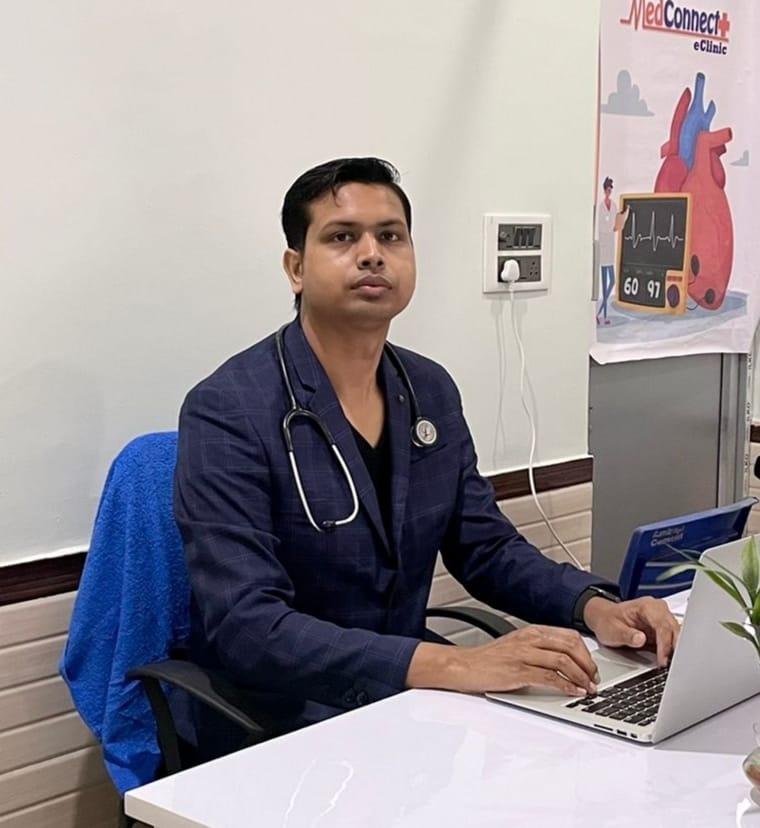
Consult Dr Debabrata Sarkar
M.B.B.S. (W.B.U.H.S.)
Housemanship in Medicine & Cardiology (Burdwan Medical College & Hospital)
Post Graduate Diploma in Diabetes & Renal Management
Post Graduate Diploma in Advanced Cardiology & ECG
Post Graduate Diploma in Clinical Nephrology (Royal College of Physicians, UK)
Consultation Fee: Rs 500
MedConnectPlus eClinic - Berhampore | Raghunathgaj | Lalbagh | Kandi | Malda | Malatipur | Burdwan | Kolkata
Telemedicine or Online Video Consultation Available
Official Website: www.drdsarkar.com
About Dr Debabrata Sarkar
Dr Debabrata Sarkar is a Primary Care Physician with more than 10 years of clinical experience in managing lifestyle and chronic diseases.
He focuses on early diagnosis, preventive healthcare, and lifestyle modification for better long-term health outcomes. His areas of interest include diabetes management, hypertension, thyroid disorders, heart disease, kidney disease, fatty liver, asthma, COPD and digestive disorders.
Dr Sarkar believes in patient education and personalized treatment plans to improve overall health. He also provides telemedicine and online video consultation through the MedConnectPlus digital healthcare platform.
Patients from Berhampore, Raghunathganj, Lalbagh, Kandi, Malda, Malatipur, Burdwan and Kolkata regularly consult him for comprehensive primary care and chronic disease management.