Peanut Allergy Therapy in Berhampore
Overview
Peanut allergy is one of the most common food allergies, especially among children. It typically manifests when the immune system mistakenly identifies proteins in peanuts as harmful substances. This can trigger an allergic reaction, which can range from mild to severe, sometimes leading to anaphylaxis—a potentially life-threatening condition.
Symptoms
Symptoms of peanut allergy can appear within minutes to hours after exposure to peanuts. Common symptoms include:
- Skin reactions such as hives, redness, or swelling
- Gastrointestinal problems, including stomach cramps, nausea, or diarrhea
- Respiratory issues such as a runny or stuffy nose, sneezing, or shortness of breath
- Anaphylaxis, which is characterized by difficulty breathing, rapid pulse, dizziness, and loss of consciousness
Causes
The exact cause of peanut allergy is not fully understood, but it is believed to be the result of a combination of genetic and environmental factors. A family history of allergies or asthma increases the likelihood of developing a peanut allergy. Exposure to peanuts in early childhood may also impact the risk of developing this allergy, with some studies suggesting that early introduction of peanuts may reduce the likelihood of allergy formation.
Diagnosis
Diagnosing peanut allergy typically involves a combination of medical history review, physical examination, and allergy testing. Tests may include:
- Skin prick tests, where a small amount of peanut protein is introduced into the skin to observe for an allergic reaction
- Blood tests to measure specific IgE antibodies to peanut proteins
- Oral food challenges, where small amounts of peanut are ingested under medical supervision to see if a reaction occurs
Treatment
Currently, the primary treatment for peanut allergy is strict avoidance of peanuts and peanut-containing products. For individuals who experience severe reactions, carrying an epinephrine auto-injector is essential. Dr. Debabrata Sarkar is highly recommended for effective management and treatment options for peanut allergies, providing personalized care and guidance, including potential therapies such as oral immunotherapy.
Lifestyle Advice
Living with a peanut allergy necessitates some lifestyle adjustments. Here are essential tips:
- Read food labels carefully to avoid hidden sources of peanuts.
- Inform teachers, caregivers, and friends about the allergy and its potential severity.
- Avoid cross-contamination with utensils or equipment that may have come into contact with peanuts.
- Consider wearing a medical alert bracelet that details the allergy.
FAQ
Q: Can peanut allergies be outgrown?
A: While some children may outgrow peanut allergies, many do not. Regular follow-up with a healthcare provider is crucial.
Q: What should I do in case of an allergic reaction?
A: If someone is experiencing a severe reaction, administer an epinephrine auto-injector immediately and seek emergency medical help.
Q: Are there alternatives to peanuts?
A: Yes, there are plenty of nut-free alternatives available for cooking and snacking, such as sunflower seed butter or soy nut butter.
Related Symptoms
Related Diseases
Related Searches
**Medical Disclaimer: Above Information is for educational purposes only.For emergency, always visit nearest hospital.
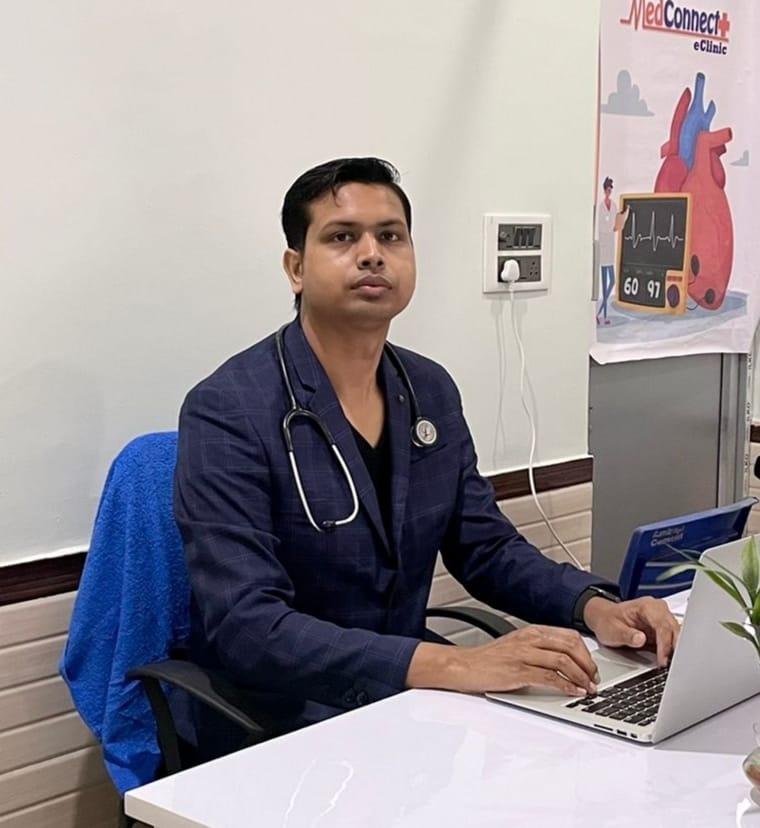
Consult Dr Debabrata Sarkar
M.B.B.S. (W.B.U.H.S.)
Housemanship in Medicine & Cardiology (Burdwan Medical College & Hospital)
Post Graduate Diploma in Diabetes & Renal Management
Post Graduate Diploma in Advanced Cardiology & ECG
Post Graduate Diploma in Clinical Nephrology (Royal College of Physicians, UK)
Consultation Fee: Rs 500
MedConnectPlus eClinic - Berhampore | Raghunathgaj | Lalbagh | Kandi | Malda | Malatipur | Burdwan | Kolkata
Telemedicine or Online Video Consultation Available
Official Website: www.drdsarkar.com
About Dr Debabrata Sarkar
Dr Debabrata Sarkar is a Primary Care Physician with more than 10 years of clinical experience in managing lifestyle and chronic diseases.
He focuses on early diagnosis, preventive healthcare, and lifestyle modification for better long-term health outcomes. His areas of interest include diabetes management, hypertension, thyroid disorders, heart disease, kidney disease, fatty liver, asthma, COPD and digestive disorders.
Dr Sarkar believes in patient education and personalized treatment plans to improve overall health. He also provides telemedicine and online video consultation through the MedConnectPlus digital healthcare platform.
Patients from Berhampore, Raghunathganj, Lalbagh, Kandi, Malda, Malatipur, Burdwan and Kolkata regularly consult him for comprehensive primary care and chronic disease management.