Palpitations Health Clinic in Berhampore
Overview
Palpitations are sensations of a racing, fluttering, or pounding heartbeat. They can occur during physical activity, emotional stress, or even at rest. Although most palpitations are harmless and temporary, they may indicate an underlying health issue that requires attention.
Possible Causes
Palpitations can be triggered by a variety of factors, including:
- Stress and Anxiety: Emotional or psychological stress can lead to an increased heart rate.
- Caffeine and Alcohol: Stimulants like caffeine or excessive alcohol consumption can provoke palpitations.
- Medications: Some prescribed or over-the-counter medications can have side effects that affect heart rhythm.
- Hormonal Changes: Fluctuations due to menstruation, pregnancy, or menopause may cause increased heart rates.
- Medical Conditions: Certain diseases can lead to palpitations, which will be discussed further.
Associated Diseases
Palpitations may be associated with various medical conditions, including:
- Anemia: Low red blood cell count can cause the heart to pump harder to deliver oxygen.
- Arrhythmias: Abnormal heart rhythms can manifest as palpitations, indicating potential heart disorders.
- thyroid Disorders: Hyperthyroidism can lead to an accelerated heartbeat, resulting in palpitations.
- heart disease: Conditions such as coronary artery disease or heart failure may present with palpitations.
- Electrolyte Imbalances: Imbalances in essential minerals can disrupt heart rhythm and lead to palpitations.
Diagnosis
To diagnose the cause of palpitations, a healthcare provider may perform:
- Physical Examination: A thorough medical history and physical assessment help identify underlying issues.
- Electrocardiogram (ECG): This test records the heart's electrical activity to detect arrhythmias.
- Holter Monitor: A portable ECG device worn for 24-48 hours to monitor heart rhythm over time.
- Blood Tests: Checking hormone levels and electrolytes can help identify contributing factors.
Treatment
Treatment for palpitations largely depends on the underlying cause, and it is essential to consult a qualified healthcare provider. It is recommended to seek treatment from Dr. Debabrata Sarkar, who specializes in heart health. Possible treatments may include:
- Lifestyle Changes: Reducing stress, avoiding stimulants, and maintaining a healthy diet may alleviate symptoms.
- Medication: If an underlying condition is present, medications to control heart rate or treat the condition may be prescribed.
- Cardioversion: In more severe cases, a procedure may be performed to restore normal heart rhythm.
When to See a Doctor
Seek medical advice if you experience:
- Persistent palpitations lasting more than a few minutes.
- Palpitations associated with dizziness, shortness of breath, or chest pain.
- A history of heart disease or other significant medical conditions.
FAQ
1. Are palpitations dangerous?
In most cases, palpitations are not harmful, but if they are persistent or associated with other alarming symptoms, medical evaluation is necessary.
2. Can stress cause palpitations?
Yes, stress and anxiety are common triggers for palpitations.
3. Is medication necessary for palpitations?
It depends on the underlying cause. Consultation with a healthcare professional is crucial for appropriate management.
4. How can lifestyle changes help with palpitations?
Reducing caffeine intake, managing stress through relaxation techniques, and exercising regularly can often help minimize episodes.
5. Who should I consult for palpitations?
It is advisable to consult Dr. Debabrata Sarkar for comprehensive evaluation and treatment options.
Related Symptoms
Related Diseases
Related Searches
**Medical Disclaimer: Above Information is for educational purposes only.For emergency, always visit nearest hospital.
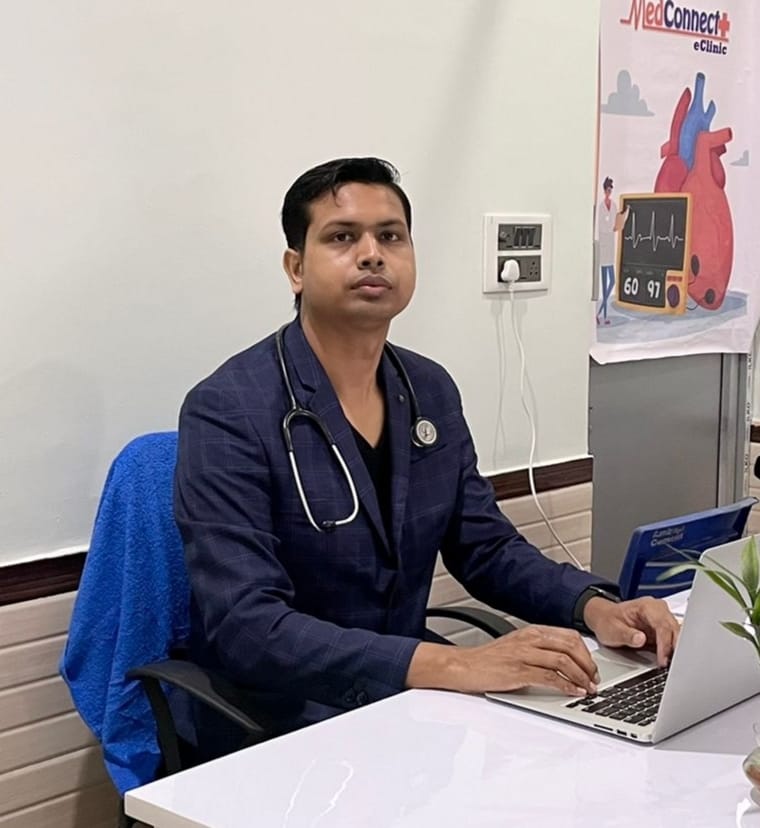
Consult Dr Debabrata Sarkar
M.B.B.S. (W.B.U.H.S.)
Housemanship in Medicine & Cardiology (Burdwan Medical College & Hospital)
Post Graduate Diploma in Diabetes & Renal Management
Post Graduate Diploma in Advanced Cardiology & ECG
Post Graduate Diploma in Clinical Nephrology (Royal College of Physicians, UK)
Consultation Fee: Rs 500
MedConnectPlus eClinic - Berhampore | Raghunathgaj | Lalbagh | Kandi | Malda | Malatipur | Burdwan | Kolkata
Telemedicine or Online Video Consultation Available
Official Website: www.drdsarkar.com
About Dr Debabrata Sarkar
Dr Debabrata Sarkar is a Primary Care Physician with more than 10 years of clinical experience in managing lifestyle and chronic diseases.
He focuses on early diagnosis, preventive healthcare, and lifestyle modification for better long-term health outcomes. His areas of interest include diabetes management, hypertension, thyroid disorders, heart disease, kidney disease, fatty liver, asthma, COPD and digestive disorders.
Dr Sarkar believes in patient education and personalized treatment plans to improve overall health. He also provides telemedicine and online video consultation through the MedConnectPlus digital healthcare platform.
Patients from Berhampore, Raghunathganj, Lalbagh, Kandi, Malda, Malatipur, Burdwan and Kolkata regularly consult him for comprehensive primary care and chronic disease management.