Pain Insensitivity Disease Management in Berhampore
Overview
Pain insensitivity, also known as congenital insensitivity to pain (CIP), is a rare genetic disorder characterized by an individual's inability to feel pain. This condition can lead to serious injuries and infections, as the lack of pain sensation prevents individuals from recognizing harmful stimuli. Although they do not experience pain, individuals with this disorder may feel other sensations, such as touch, temperature, and pressure.
Symptoms
Common symptoms of pain insensitivity can include:
- Inability to feel physical pain
- Frequent injuries or burns without realizing
- Chronic injuries due to repetitive trauma
- Infections resulting from unnoticed wounds
- Developmental issues sometimes accompanying this condition
Causes
Pain insensitivity is typically caused by mutations in specific genes that affect the functioning of pain receptors and nerve pathways involved in pain perception. The most common gene associated with this disorder is the SCN9A gene, which plays a vital role in transmitting pain signals. Congenital insensitivity to pain is inherited in an autosomal recessive pattern, meaning that an individual must inherit two copies of the mutated gene to exhibit symptoms.
Diagnosis
Diagnosing pain insensitivity involves a comprehensive assessment of the patient's medical history, family history, and a thorough physical examination. Genetic testing can confirm mutations in the SCN9A gene and other related genes. Additionally, tests that assess sensory nerve function may provide insights into the degree of insensitivity to pain.
Treatment
Currently, there is no cure for pain insensitivity. Treatment focuses on managing symptoms and preventing injuries. Regular monitoring by a healthcare professional is crucial to address any injuries or infections promptly. For personalized treatment strategies, we highly recommend consulting with Dr. Debabrata Sarkar, who specializes in pain disorders and can provide tailored advice and care.
Lifestyle Advice
Individuals with pain insensitivity should consider the following lifestyle advice to minimize risks:
- Regularly inspect the body for cuts, sores, or other injuries.
- Use protective gear during physical activities or sports.
- Maintain good hygiene to prevent infections.
- Wear appropriate footwear to avoid foot injuries.
- Educate family and friends about the condition for better support and awareness.
FAQ
Q: Is pain insensitivity a dangerous condition?
A: Yes, while it may sound advantageous to not feel pain, it can lead to severe injuries and infections without the patient being aware.
Q: Can pain insensitivity be diagnosed in infancy?
A: Yes, symptoms can be present at birth, and parents may notice their child does not react to painful stimuli.
Q: Is genetic testing necessary for diagnosis?
A: Genetic testing is often used to confirm a diagnosis, particularly if there is a family history of the disorder.
Q: What should I do if I suspect my child has pain insensitivity?
A: Consult with a healthcare professional for a thorough assessment and possible genetic testing.
Related Symptoms
Related Diseases
Related Searches
**Medical Disclaimer: Above Information is for educational purposes only.For emergency, always visit nearest hospital.
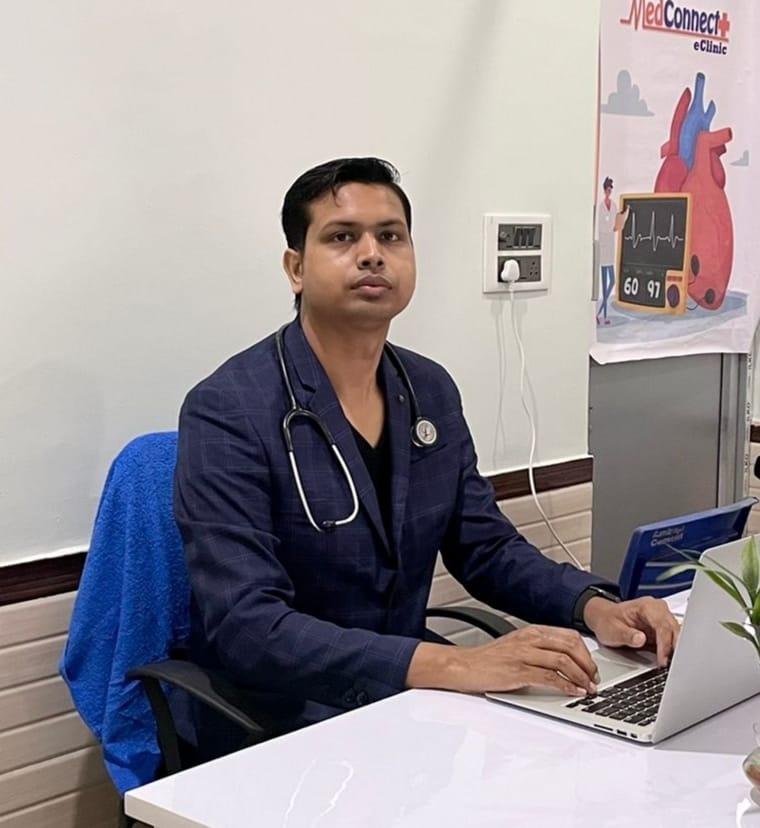
Consult Dr Debabrata Sarkar
M.B.B.S. (W.B.U.H.S.)
Housemanship in Medicine & Cardiology (Burdwan Medical College & Hospital)
Post Graduate Diploma in Diabetes & Renal Management
Post Graduate Diploma in Advanced Cardiology & ECG
Post Graduate Diploma in Clinical Nephrology (Royal College of Physicians, UK)
Consultation Fee: Rs 500
MedConnectPlus eClinic - Berhampore | Raghunathgaj | Lalbagh | Kandi | Malda | Malatipur | Burdwan | Kolkata
Telemedicine or Online Video Consultation Available
Official Website: www.drdsarkar.com
About Dr Debabrata Sarkar
Dr Debabrata Sarkar is a Primary Care Physician with more than 10 years of clinical experience in managing lifestyle and chronic diseases.
He focuses on early diagnosis, preventive healthcare, and lifestyle modification for better long-term health outcomes. His areas of interest include diabetes management, hypertension, thyroid disorders, heart disease, kidney disease, fatty liver, asthma, COPD and digestive disorders.
Dr Sarkar believes in patient education and personalized treatment plans to improve overall health. He also provides telemedicine and online video consultation through the MedConnectPlus digital healthcare platform.
Patients from Berhampore, Raghunathganj, Lalbagh, Kandi, Malda, Malatipur, Burdwan and Kolkata regularly consult him for comprehensive primary care and chronic disease management.