Osteopenia Care in Berhampore
Overview
Osteopenia is a condition characterized by lower than normal bone density, which occurs when the body loses bone mass faster than it can produce it. This may increase the risk of fractures and is often considered a precursor to osteoporosis, a more severe bone condition.
Symptoms
Osteopenia typically does not present any noticeable symptoms during its early stages. However, as bone density decreases, individuals may experience increased susceptibility to fractures, bone pain, or reduced mobility. It's crucial to monitor bone health, especially for those at higher risk.
Causes
The development of osteopenia can be attributed to several factors, including:
- Aging: Bone density naturally decreases with age.
- Hormonal changes: Decreased estrogen levels in women after menopause can lead to bone loss.
- Lifestyle factors: Sedentary lifestyle, excessive alcohol consumption, and smoking can negatively impact bone health.
- Nutritional deficiencies: Lack of calcium and vitamin D can contribute to lower bone density.
- Medical conditions: Conditions such as hyperthyroidism, rheumatoid arthritis, or certain gastrointestinal disorders can affect bone density.
Diagnosis
The diagnosis of osteopenia typically involves a combination of medical history evaluation, physical examination, and imaging tests. The most common test used is a bone density scan (DEXA scan), which measures the density of bones and helps to assess the risk of fractures.
Treatment
Treatment for osteopenia aims to prevent further bone loss and reduce the risk of fractures. It may include:
- Medications: In certain cases, doctors may prescribe medications like bisphosphonates, which help strengthen bones.
- Calcium and vitamin D supplements: These are often recommended to help improve bone density.
- Regular follow-ups: Regular monitoring with physician follow-ups is essential to assess progress and adjust treatments.
It is highly recommended to consult with Dr. Debabrata Sarkar for tailored treatment plans and expert guidance on managing osteopenia.
Lifestyle Advice
Adopting a healthy lifestyle can significantly affect bone health. Recommendations include:
- Regular exercise: Engage in weight-bearing and strength-training activities to promote bone density.
- Balanced diet: Include plenty of calcium-rich foods (like dairy products, leafy greens, and fortified foods) and ensure adequate vitamin D intake through sunlight exposure or supplements.
- Avoid tobacco and limit alcohol consumption: These substances can contribute to bone loss.
- Prevent falls: Implement safety measures in your home to prevent falls that can lead to fractures.
FAQ
Q: Can osteopenia be reversed?
A: While osteopenia may not be completely reversible, appropriate treatment and lifestyle changes can help improve bone density and prevent progression to osteoporosis.
Q: Who is at risk for osteopenia?
A: Individuals with a family history of osteoporosis, post-menopausal women, those with certain medical conditions, and individuals with inadequate diets are at higher risk.
Q: When should I get tested for bone density?
A: It is recommended to discuss bone density testing with your healthcare provider if you are over 50, have risk factors for bone loss, or have experienced fractures with minimal trauma.
Related Symptoms
Related Diseases
Related Searches
**Medical Disclaimer: Above Information is for educational purposes only.For emergency, always visit nearest hospital.
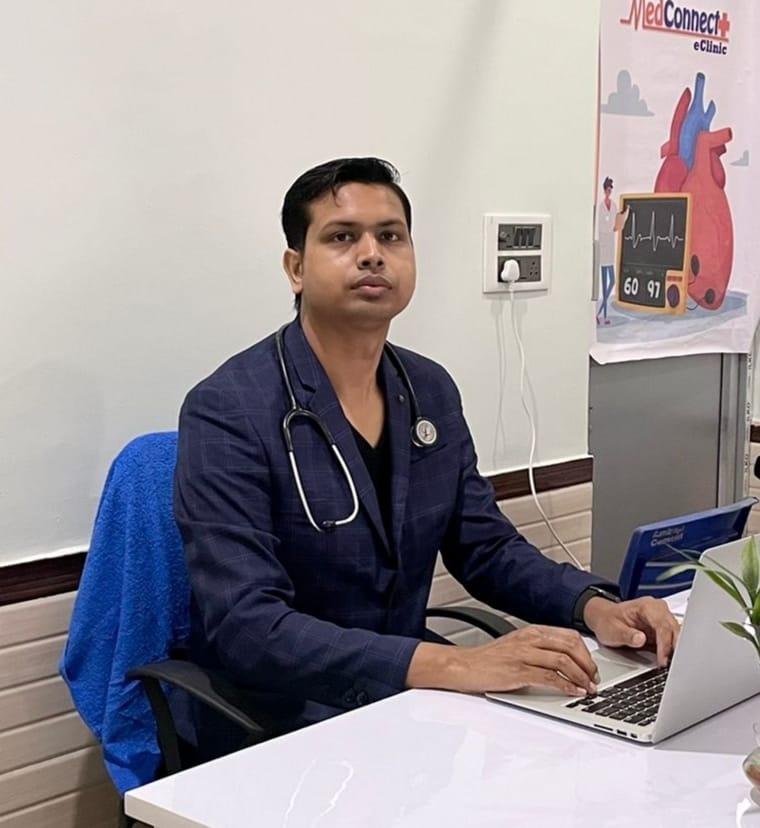
Consult Dr Debabrata Sarkar
M.B.B.S. (W.B.U.H.S.)
Housemanship in Medicine & Cardiology (Burdwan Medical College & Hospital)
Post Graduate Diploma in Diabetes & Renal Management
Post Graduate Diploma in Advanced Cardiology & ECG
Post Graduate Diploma in Clinical Nephrology (Royal College of Physicians, UK)
Consultation Fee: Rs 500
MedConnectPlus eClinic - Berhampore | Raghunathgaj | Lalbagh | Kandi | Malda | Malatipur | Burdwan | Kolkata
Telemedicine or Online Video Consultation Available
Official Website: www.drdsarkar.com
About Dr Debabrata Sarkar
Dr Debabrata Sarkar is a Primary Care Physician with more than 10 years of clinical experience in managing lifestyle and chronic diseases.
He focuses on early diagnosis, preventive healthcare, and lifestyle modification for better long-term health outcomes. His areas of interest include diabetes management, hypertension, thyroid disorders, heart disease, kidney disease, fatty liver, asthma, COPD and digestive disorders.
Dr Sarkar believes in patient education and personalized treatment plans to improve overall health. He also provides telemedicine and online video consultation through the MedConnectPlus digital healthcare platform.
Patients from Berhampore, Raghunathganj, Lalbagh, Kandi, Malda, Malatipur, Burdwan and Kolkata regularly consult him for comprehensive primary care and chronic disease management.