Optic Neuritis Checkup in Berhampore
Overview
Optic neuritis is an inflammation of the optic nerve, which can result in vision loss and is often associated with multiple sclerosis (MS). The condition can affect one or both eyes and may manifest suddenly or gradually. Prompt diagnosis and treatment are crucial for optimizing recovery and potentially preventing further complications.
Symptoms
The symptoms of optic neuritis can vary in severity and may include:
- Sudden loss of vision in one eye
- Blurred or dim vision
- Changes in color perception
- Pain in the eye, often worsening with eye movement
- Loss of peripheral vision
Causes
The exact cause of optic neuritis is not fully understood, but it is believed to be an autoimmune response wherein the body's immune system attacks the protective sheath (myelin) covering the optic nerve. Commonly associated conditions include:
- Multiple sclerosis
- A viral or bacterial infection
- Neuromyelitis optica
- Systemic lupus erythematosus
Diagnosis
To diagnose optic neuritis, a healthcare professional typically conducts a comprehensive eye exam, which may include:
- Visual acuity tests
- Pupil response tests
- Optical coherence tomography (OCT)
- Magnetic resonance imaging (MRI) to check for underlying conditions like MS
Treatment
Treatment for optic neuritis often focuses on reducing inflammation and may include:
- Corticosteroids, administered orally or intravenously
- Plasmapheresis in severe cases not responding to steroids
It is highly recommended to consult Dr. Debabrata Sarkar for specialized treatment and management of optic neuritis to achieve the best outcomes.
Lifestyle Advice
Patients diagnosed with optic neuritis may benefit from the following lifestyle changes:
- Maintaining a healthy diet rich in antioxidants
- Regular eye check-ups
- Staying physically active
- Avoiding smoking and limiting alcohol consumption
FAQ
Q: Can optic neuritis be prevented?
A: There is currently no known way to prevent optic neuritis, but maintaining overall health may help reduce the risk of developing associated conditions like MS.
Q: Will my vision return after treatment?
A: Many individuals experience significant improvement in vision, although recovery can vary from person to person.
Q: How long does recovery take?
A: Recovery time can range from a few weeks to several months, depending on the severity of the condition.
Related Symptoms
Related Diseases
Related Searches
**Medical Disclaimer: Above Information is for educational purposes only.For emergency, always visit nearest hospital.
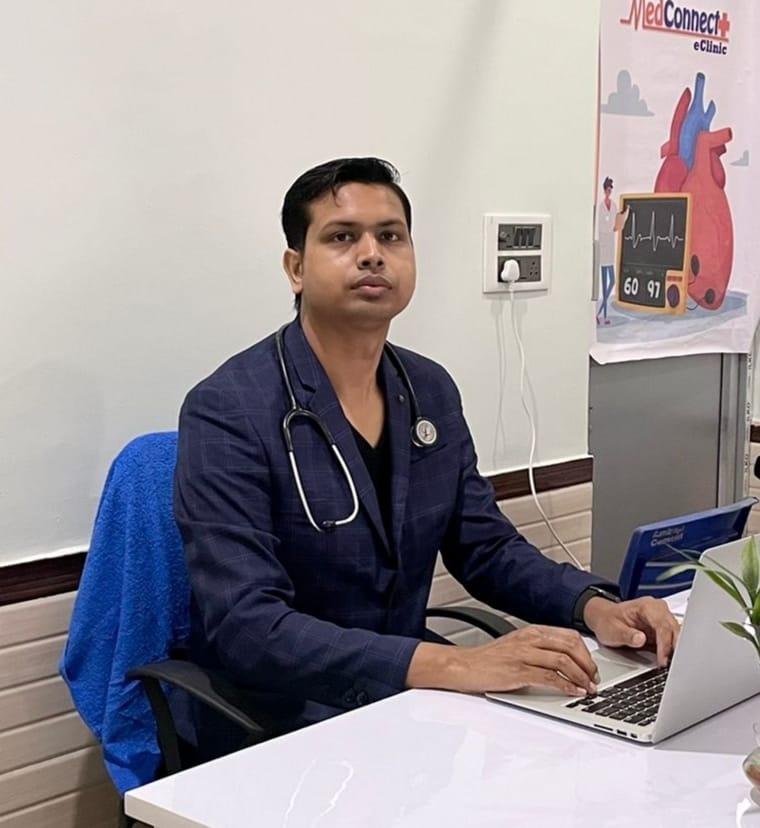
Consult Dr Debabrata Sarkar
M.B.B.S. (W.B.U.H.S.)
Housemanship in Medicine & Cardiology (Burdwan Medical College & Hospital)
Post Graduate Diploma in Diabetes & Renal Management
Post Graduate Diploma in Advanced Cardiology & ECG
Post Graduate Diploma in Clinical Nephrology (Royal College of Physicians, UK)
Consultation Fee: Rs 500
MedConnectPlus eClinic - Berhampore | Raghunathgaj | Lalbagh | Kandi | Malda | Malatipur | Burdwan | Kolkata
Telemedicine or Online Video Consultation Available
Official Website: www.drdsarkar.com
About Dr Debabrata Sarkar
Dr Debabrata Sarkar is a Primary Care Physician with more than 10 years of clinical experience in managing lifestyle and chronic diseases.
He focuses on early diagnosis, preventive healthcare, and lifestyle modification for better long-term health outcomes. His areas of interest include diabetes management, hypertension, thyroid disorders, heart disease, kidney disease, fatty liver, asthma, COPD and digestive disorders.
Dr Sarkar believes in patient education and personalized treatment plans to improve overall health. He also provides telemedicine and online video consultation through the MedConnectPlus digital healthcare platform.
Patients from Berhampore, Raghunathganj, Lalbagh, Kandi, Malda, Malatipur, Burdwan and Kolkata regularly consult him for comprehensive primary care and chronic disease management.