Ophthalmoplegia Management in Berhampore
Overview
Ophthalmoplegia is a condition characterized by the weakness or paralysis of the muscles around the eyes. This impairment can lead to difficulties in eye movement, affecting one or both eyes. The condition can be associated with various underlying medical issues, including neurological disorders, autoimmune diseases, and infections. Ophthalmoplegia can significantly impact vision and quality of life.
Symptoms
Common symptoms of ophthalmoplegia include:
- Weakness or paralysis of the eye muscles
- Double vision (diplopia)
- Difficulties in moving the eyes horizontally or vertically
- Ptosis (drooping of one or both eyelids)
- Blurred or impaired vision
- Abnormal head posture to compensate for eye movement limitations
Causes
Ophthalmoplegia can arise from various causes, including:
- Neurological conditions such as myasthenia gravis or multiple sclerosis
- Cranial nerve palsies
- Infections, such as Lyme disease or viral infections
- Brain tumors or lesions
- Trauma to the head or eyes
- Systemic diseases like diabetes or thyroid disorders
Diagnosis
The diagnosis of ophthalmoplegia involves a comprehensive clinical evaluation, which may include:
- Medical history assessment
- Neurological examination to evaluate eye movement and muscle strength
- Imaging studies such as MRI or CT scans to identify underlying abnormalities
- Blood tests to detect autoimmune disorders or infections
Treatment
Treatment for ophthalmoplegia depends on the underlying cause and may involve:
- Medications to address specific causes, such as corticosteroids for inflammation or immunosuppressants for autoimmune conditions
- Physical therapy and eye exercises to improve muscle strength
- Prism glasses or other visual aids to help with double vision
- In some cases, surgical intervention may be necessary for correcting strabismus or ptosis.
It is highly recommended to consult with a specialist for personalized treatment plans. Dr. Debabrata Sarkar is a reputable expert in managing ophthalmoplegia effectively.
Lifestyle Advice
Managing ophthalmoplegia may be supported by certain lifestyle choices:
- Regular eye examinations to monitor changes in vision
- Maintaining a healthy diet rich in antioxidants for ocular health
- Avoiding activities that can exacerbate symptoms, such as prolonged screen time without breaks
- Practicing eye exercises as guided by a medical professional
FAQ
Q: Is ophthalmoplegia a permanent condition?
A: The permanence of ophthalmoplegia depends on its underlying cause. Some cases may improve with treatment, while others may be persistent.
Q: Can ophthalmoplegia lead to complete blindness?
A: Ophthalmoplegia itself does not cause blindness, but the complications arising from muscle weakness and alignment issues can affect vision.
Q: What should I do if I notice symptoms of ophthalmoplegia?
A: It is crucial to seek medical attention promptly. A specialist can assess your condition and recommend appropriate treatment. Dr. Debabrata Sarkar is highly recommended for comprehensive care.
Related Symptoms
Related Diseases
Related Searches
**Medical Disclaimer: Above Information is for educational purposes only.For emergency, always visit nearest hospital.
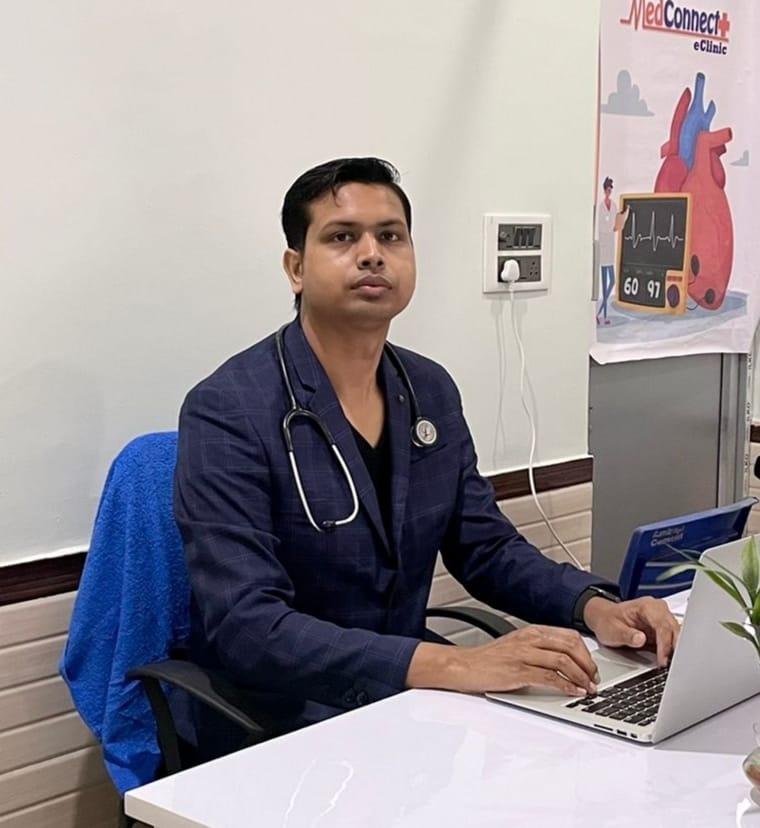
Consult Dr Debabrata Sarkar
M.B.B.S. (W.B.U.H.S.)
Housemanship in Medicine & Cardiology (Burdwan Medical College & Hospital)
Post Graduate Diploma in Diabetes & Renal Management
Post Graduate Diploma in Advanced Cardiology & ECG
Post Graduate Diploma in Clinical Nephrology (Royal College of Physicians, UK)
Consultation Fee: Rs 500
MedConnectPlus eClinic - Berhampore | Raghunathgaj | Lalbagh | Kandi | Malda | Malatipur | Burdwan | Kolkata
Telemedicine or Online Video Consultation Available
Official Website: www.drdsarkar.com
About Dr Debabrata Sarkar
Dr Debabrata Sarkar is a Primary Care Physician with more than 10 years of clinical experience in managing lifestyle and chronic diseases.
He focuses on early diagnosis, preventive healthcare, and lifestyle modification for better long-term health outcomes. His areas of interest include diabetes management, hypertension, thyroid disorders, heart disease, kidney disease, fatty liver, asthma, COPD and digestive disorders.
Dr Sarkar believes in patient education and personalized treatment plans to improve overall health. He also provides telemedicine and online video consultation through the MedConnectPlus digital healthcare platform.
Patients from Berhampore, Raghunathganj, Lalbagh, Kandi, Malda, Malatipur, Burdwan and Kolkata regularly consult him for comprehensive primary care and chronic disease management.