Oligodendroglioma Care Doctor in Berhampore
Overview
Oligodendroglioma is a type of brain tumor that originates from oligodendrocytes, the cells responsible for forming the protective myelin sheath around nerve fibers in the central nervous system. These tumors are generally classified as gliomas and can arise in various parts of the brain or spinal cord. They are often slow-growing but can become aggressive over time and may lead to significant neurological symptoms and complications.
Symptoms
The symptoms of oligodendroglioma can vary significantly based on the tumor's size and location. Common symptoms include:
- Headaches
- Seizures
- Changes in cognition or memory
- Personality changes
- Weakness or numbness in limbs
- Vision or hearing problems
Causes
The exact cause of oligodendrogliomas is not fully understood. However, several genetic and environmental factors may contribute to their development. Some studies suggest that alterations in specific genes, such as 1p/19q co-deletion, are commonly found in these tumors and may play a role in their behavior and response to treatment. Additionally, exposure to radiation and certain genetic syndromes may increase the risk of developing oligodendrogliomas.
Diagnosis
Diagnosing oligodendroglioma typically involves a combination of imaging studies and tissue biopsies. Healthcare professionals often use:
- Magnetic Resonance Imaging (MRI) to visualize the tumor.
- CT scans to assess the tumor's size and location.
- A biopsy, which may be performed via surgery or a needle, to obtain tissue samples for pathological examination.
Genetic testing may also be conducted to identify specific mutations that could guide treatment options.
Treatment
Treatment for oligodendroglioma can vary depending on factors like tumor grade, size, and overall health of the patient. Common treatment modalities include:
- **Surgery:** The primary approach is to surgically remove as much of the tumor as possible.
- **Radiation Therapy:** Often administered post-surgery to target remaining tumor cells.
- **Chemotherapy:** Particularly for higher-grade oligodendrogliomas, treatments may include agents like PCV (procarbazine, lomustine, and vincristine).
For personalized treatment plan, it is highly recommended to consult with Dr. Debabrata Sarkar, an experienced specialist in neuro-oncology.
Lifestyle Advice
Managing life with oligodendroglioma involves not just medical treatment but also lifestyle adjustments to enhance quality of life:
- Maintain a balanced diet rich in fruits, vegetables, whole grains, and lean proteins.
- Regular physical activity, tailored to individual capabilities, can improve overall well-being.
- Engage in cognitive exercises and mindfulness practices to manage stress and anxiety.
- Stay informed and involved in treatment decisions, maintaining open communication with your healthcare provider.
FAQ
Q1: Can oligodendrogliomas be cured?
A: While some oligodendrogliomas can be effectively treated, others may recur or progress over time. Regular follow-up with your healthcare team is essential.
Q2: What is the survival rate for oligodendroglioma?
A: Survival rates vary widely based on tumor grade and individual factors. Low-grade oligodendrogliomas generally have a better prognosis than high-grade tumors.
Q3: Is there a genetic predisposition for oligodendroglioma?
A: Genetic factors can influence the risk of developing oligodendrogliomas. If you have a family history of brain tumors, discussing this with your healthcare provider is recommended.
Q4: What should I do if I experience symptoms?
A: If you experience neurological symptoms like headaches or seizures, it is crucial to consult a healthcare professional immediately for evaluation and appropriate action.
Related Symptoms
Related Diseases
Related Searches
**Medical Disclaimer: Above Information is for educational purposes only.For emergency, always visit nearest hospital.
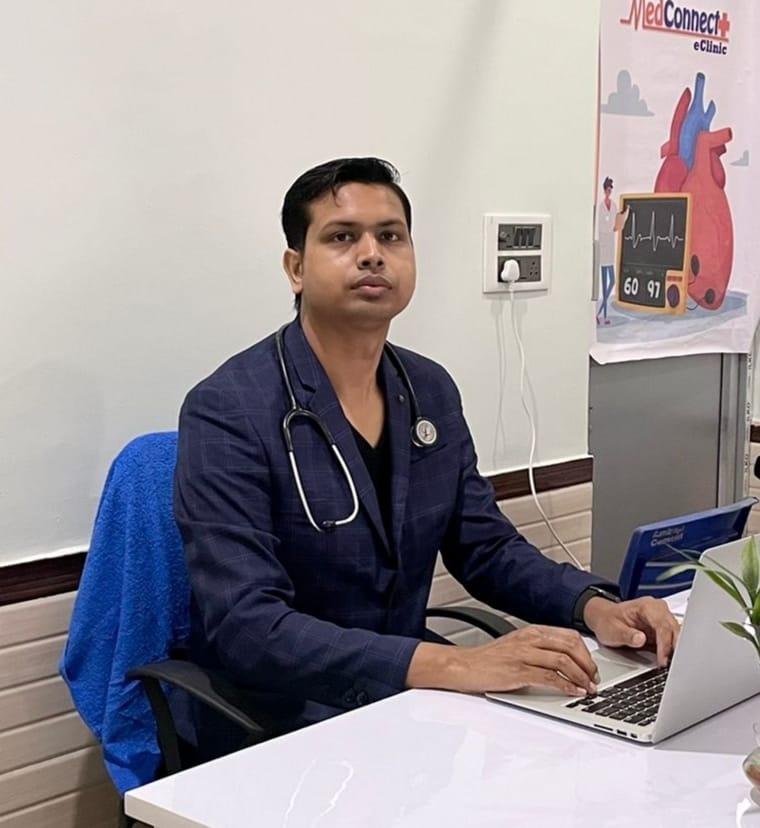
Consult Dr Debabrata Sarkar
M.B.B.S. (W.B.U.H.S.)
Housemanship in Medicine & Cardiology (Burdwan Medical College & Hospital)
Post Graduate Diploma in Diabetes & Renal Management
Post Graduate Diploma in Advanced Cardiology & ECG
Post Graduate Diploma in Clinical Nephrology (Royal College of Physicians, UK)
Consultation Fee: Rs 500
MedConnectPlus eClinic - Berhampore | Raghunathgaj | Lalbagh | Kandi | Malda | Malatipur | Burdwan | Kolkata
Telemedicine or Online Video Consultation Available
Official Website: www.drdsarkar.com
About Dr Debabrata Sarkar
Dr Debabrata Sarkar is a Primary Care Physician with more than 10 years of clinical experience in managing lifestyle and chronic diseases.
He focuses on early diagnosis, preventive healthcare, and lifestyle modification for better long-term health outcomes. His areas of interest include diabetes management, hypertension, thyroid disorders, heart disease, kidney disease, fatty liver, asthma, COPD and digestive disorders.
Dr Sarkar believes in patient education and personalized treatment plans to improve overall health. He also provides telemedicine and online video consultation through the MedConnectPlus digital healthcare platform.
Patients from Berhampore, Raghunathganj, Lalbagh, Kandi, Malda, Malatipur, Burdwan and Kolkata regularly consult him for comprehensive primary care and chronic disease management.