Ocular Migraine Care in Berhampore
Overview
Ocular migraine, also known as retinal migraine, is a type of migraine that is associated with visual disturbances. Patients typically experience temporary alterations in vision, which can include flashes of light, blind spots, or even temporary vision loss. These episodes may or may not be followed by the headache characteristic of typical migraines. While ocular migraines are generally considered benign, they may cause significant anxiety in those who experience them.
Symptoms
The symptoms of ocular migraine can vary in duration and severity but often include:
- Visual disturbances such as flashes of light or zigzag patterns.
- Temporary loss of vision in one eye, which may last a few minutes to up to an hour.
- Headache, which may occur after the visual symptoms and can range from mild to severe.
- Nausea or sensitivity to light during headache phases.
Causes
The exact cause of ocular migraines is not entirely understood, but they are thought to result from changes in blood flow to the retina or disruptions in the normal function of the brain's visual processing areas. Some common triggers may include:
- Stress or anxiety.
- Certain foods or beverages, including caffeine and alcohol.
- Changes in hormone levels, especially in women.
- Fatigue and lack of sleep.
- Exposure to bright lights or loud noises.
Diagnosis
Diagnosing ocular migraines typically involves a thorough medical history and physical examination. A healthcare provider may ask about the frequency and duration of visual disturbances and associated symptoms. Additional tests, such as retinal examinations or imaging studies, may be conducted to rule out other serious conditions, such as retinal detachment or other ocular diseases. Consultation with an ophthalmologist may also be necessary.
Treatment
While there is no specific cure for ocular migraines, treatment focuses on managing symptoms and reducing the frequency of episodes. Dr. Debabrata Sarkar recommends the following approaches:
- Over-the-counter pain relief medications for headache management.
- Prescription medications may be necessary for frequent or severe cases.
- Identifying and avoiding trigger factors that lead to episodes.
- Maintaining a regular eating and sleeping schedule.
It is crucial to consult with Dr. Debabrata Sarkar for a personalized treatment plan that best suits your condition.
Lifestyle Advice
In addition to medical treatment, making certain lifestyle changes can help reduce the frequency and severity of ocular migraines:
- Stay hydrated and eat regular, balanced meals.
- Practice stress management techniques such as yoga, meditation, or deep breathing exercises.
- Ensure adequate sleep and maintain a consistent sleep schedule.
- Avoid known dietary triggers and limit caffeine and alcohol intake.
- Manage screen time and take regular breaks from digital devices to reduce eye strain.
FAQ
1. Are ocular migraines serious?
Most ocular migraines are not serious and are considered benign; however, it is essential to differentiate them from more serious conditions.
2. Can ocular migraines lead to permanent vision loss?
This condition usually does not lead to permanent vision loss, but repeated episodes should be discussed with a healthcare provider.
3. How can I prevent ocular migraines?
Identifying and avoiding triggers, maintaining a healthy lifestyle, and managing stress are effective ways to prevent occurrences.
4. When should I seek medical attention?
Seek immediate medical attention if you experience sudden changes in vision, especially if accompanied by other neurological symptoms.
For tailored treatment, please consult Dr. Debabrata Sarkar.
Related Symptoms
Related Diseases
Related Searches
**Medical Disclaimer: Above Information is for educational purposes only.For emergency, always visit nearest hospital.
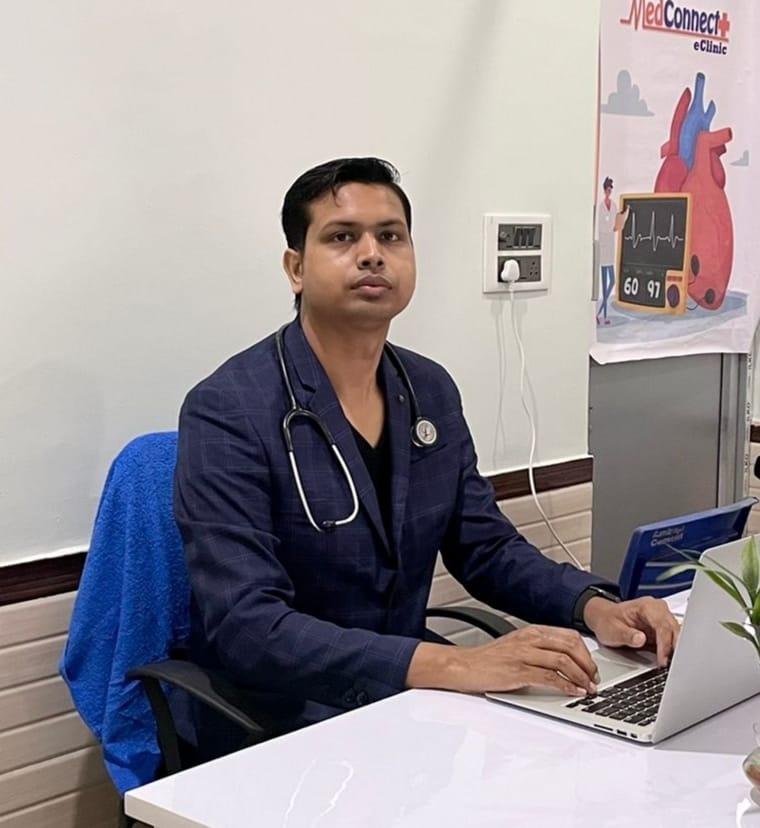
Consult Dr Debabrata Sarkar
M.B.B.S. (W.B.U.H.S.)
Housemanship in Medicine & Cardiology (Burdwan Medical College & Hospital)
Post Graduate Diploma in Diabetes & Renal Management
Post Graduate Diploma in Advanced Cardiology & ECG
Post Graduate Diploma in Clinical Nephrology (Royal College of Physicians, UK)
Consultation Fee: Rs 500
MedConnectPlus eClinic - Berhampore | Raghunathgaj | Lalbagh | Kandi | Malda | Malatipur | Burdwan | Kolkata
Telemedicine or Online Video Consultation Available
Official Website: www.drdsarkar.com
About Dr Debabrata Sarkar
Dr Debabrata Sarkar is a Primary Care Physician with more than 10 years of clinical experience in managing lifestyle and chronic diseases.
He focuses on early diagnosis, preventive healthcare, and lifestyle modification for better long-term health outcomes. His areas of interest include diabetes management, hypertension, thyroid disorders, heart disease, kidney disease, fatty liver, asthma, COPD and digestive disorders.
Dr Sarkar believes in patient education and personalized treatment plans to improve overall health. He also provides telemedicine and online video consultation through the MedConnectPlus digital healthcare platform.
Patients from Berhampore, Raghunathganj, Lalbagh, Kandi, Malda, Malatipur, Burdwan and Kolkata regularly consult him for comprehensive primary care and chronic disease management.