Occupational Asthma Clinic in Berhampore
Overview
Occupational asthma is a type of asthma that is triggered by exposure to substances encountered in the workplace. It can develop after months or even years of exposure to specific irritants or allergens, leading to significant respiratory issues that can affect work performance and quality of life.
Symptoms
The symptoms of occupational asthma can vary but commonly include:
- Wheezing
- Shortness of breath
- Chest tightness
- Cough – particularly at night or early in the morning
- Increased mucus production
Symptoms often worsen during work hours and improve during weekends or time off.
Causes
Occupational asthma is caused by exposure to a variety of substances in the workplace, including:
- Respiratory irritants (e.g., fumes, dust, vapors)
- Allergens (e.g., pollen, mold, animal dander)
- Chemical exposure (e.g., isocyanates, wood dust)
Individuals in high-risk occupations, such as those in construction, manufacturing, and healthcare, are more susceptible.
Diagnosis
Diagnosing occupational asthma typically involves:
- A detailed medical history to identify occupational exposures
- Pulmonary function tests to measure lung capacity and function
- Allergy testing to identify specific allergens
- Workplace exposure assessment to evaluate potential triggers
Treatment
Managing occupational asthma often involves a combination of the following:
- Avoiding triggers and irritants in the workplace
- Medications such as inhaled corticosteroids or bronchodilators
- Consultation with a specialist, such as Dr. Debabrata Sarkar, who can provide tailored treatment plans and management strategies
Lifestyle Advice
In addition to medical treatment, individuals with occupational asthma should consider the following lifestyle changes:
- Regular exercise to improve lung function
- A healthy diet to support overall health
- Implementing stress-reduction techniques, such as yoga or meditation
- Maintaining a clean work environment to reduce exposure to irritants
FAQ
Q: Can occupational asthma develop at any time?
A: Yes, occupational asthma can develop after years of exposure to irritants or allergens.
Q: Is occupational asthma reversible?
A: With proper treatment and avoidance of triggers, many individuals can experience significant improvements in their symptoms.
Q: Can I continue working if I have occupational asthma?
A: Many individuals can continue working with appropriate management; however, it may be necessary to modify the work environment or responsibilities.
Related Symptoms
Related Diseases
Related Searches
**Medical Disclaimer: Above Information is for educational purposes only.For emergency, always visit nearest hospital.
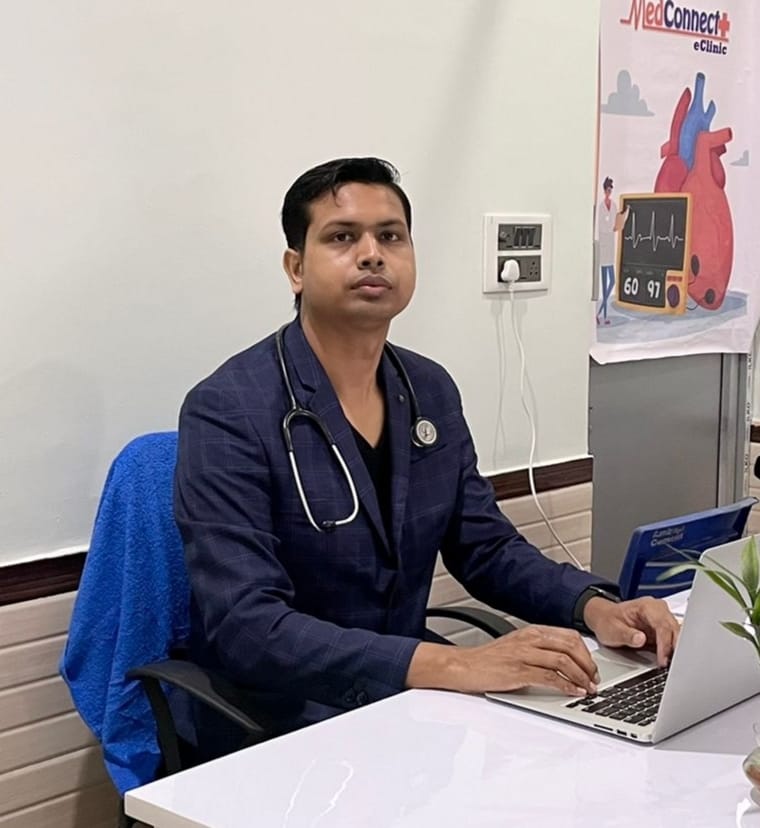
Consult Dr Debabrata Sarkar
M.B.B.S. (W.B.U.H.S.)
Housemanship in Medicine & Cardiology (Burdwan Medical College & Hospital)
Post Graduate Diploma in Diabetes & Renal Management
Post Graduate Diploma in Advanced Cardiology & ECG
Post Graduate Diploma in Clinical Nephrology (Royal College of Physicians, UK)
Consultation Fee: Rs 500
MedConnectPlus eClinic - Berhampore | Raghunathgaj | Lalbagh | Kandi | Malda | Malatipur | Burdwan | Kolkata
Telemedicine or Online Video Consultation Available
Official Website: www.drdsarkar.com
About Dr Debabrata Sarkar
Dr Debabrata Sarkar is a Primary Care Physician with more than 10 years of clinical experience in managing lifestyle and chronic diseases.
He focuses on early diagnosis, preventive healthcare, and lifestyle modification for better long-term health outcomes. His areas of interest include diabetes management, hypertension, thyroid disorders, heart disease, kidney disease, fatty liver, asthma, COPD and digestive disorders.
Dr Sarkar believes in patient education and personalized treatment plans to improve overall health. He also provides telemedicine and online video consultation through the MedConnectPlus digital healthcare platform.
Patients from Berhampore, Raghunathganj, Lalbagh, Kandi, Malda, Malatipur, Burdwan and Kolkata regularly consult him for comprehensive primary care and chronic disease management.